We Deliver Airguns Directly To Your Door
SKU N/A Category

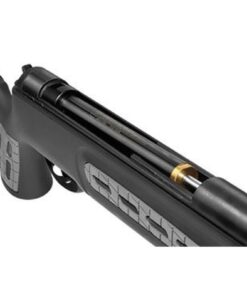
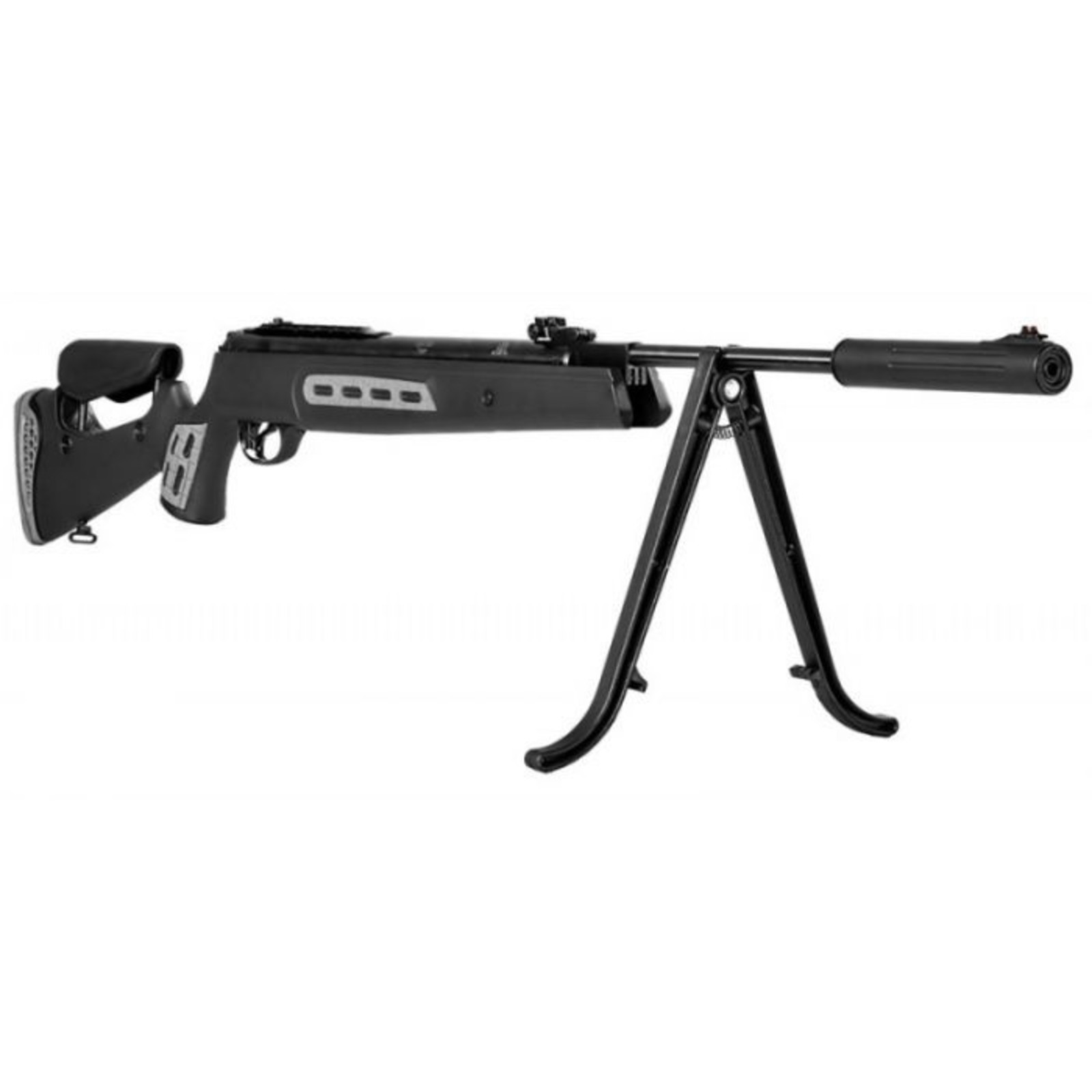
Hatsan MOD 125 Sniper Vortex

€210.00

Specifications Hatsan Mod 125 Sniper Vortex 6,35mm Air Rifle

    • Caliber 6,35mm mm (.25cal)
    • Single shot break barrel action
    • Velocity 230 m/s 750fps
    • With Vortex gas piston
    • Quattro Trigger 2-Stage fully adjustable match trigger system.
    • Ambidextrous & ergonomic design synthetic stock..
    • Comes with 3 TRIOPAD® stock spacers to change stock length of pull
    • Micro adjustable rear sight for both windage and elevation with Truglo fiber optics.
    • Open front sight with Truglo fiber optics
    • Ambidextrous synthetic stock
    • Precision rifled steel barrel
    • 11mm and 22mm mounting rail
    • Sling swivels on the butt and forearm.
    • Weight 4,1kg 9lbs
    • Length124 cm (48,8 in).
    • Integrated sound moderator inside muzzle break.
    • Manual safety & automatic cocking safety.
    • Includes a free bipod and sling.

Hatsan MOD 125 Sniper Vortex

Power and precision are delivered in a complete break-barrel package built for target work, pest control, and small-game use. Consistent velocity, reduced vibration, and a customizable stock are combined so shooters of different sizes and shooting styles can get a stable, ready-to-use rifle.

Power That Is Generated by the Vortex Gas Piston

High muzzle energy is produced by Hatsan’s Vortex gas-piston system rather than a conventional coiled spring. Smoother cocking is achieved, spring torque is eliminated, and performance in cold weather is maintained. Maximum published velocities of approximately 1250 fps in .177, 1000 fps in .22, and 750 fps in .25 are quoted by the manufacturer; actual speed and energy are influenced by pellet weight, shape, and conditions. Muzzle energy in the roughly 28–36 ft-lb range is typically obtained with appropriate lead pellets, which is why all-lead ammunition is recommended for best accuracy and barrel life.

An integrated muzzle moderator is fitted so downrange report is reduced while full power is retained. Vibration is further controlled by the SAS (Shock Absorber System), so follow-up shots stay more consistent than on many spring-piston magnums.

Calibers, Energy, and Intended Use

Three chamberings are offered so the same platform can be matched to different tasks:

  • .177 — highest velocity for longer-range paper and small pests when legal power limits allow
  • .22 — the most common all-round choice for hunting and pest control
  • .25 — heavier pellets and strong impact at moderate distance

Legal power limits in some countries require a reduced-energy version; unrestricted figures apply only where FAC or equivalent rules permit them. Responsible, legal use is assumed throughout.

Stock, Fit, and Recoil Management

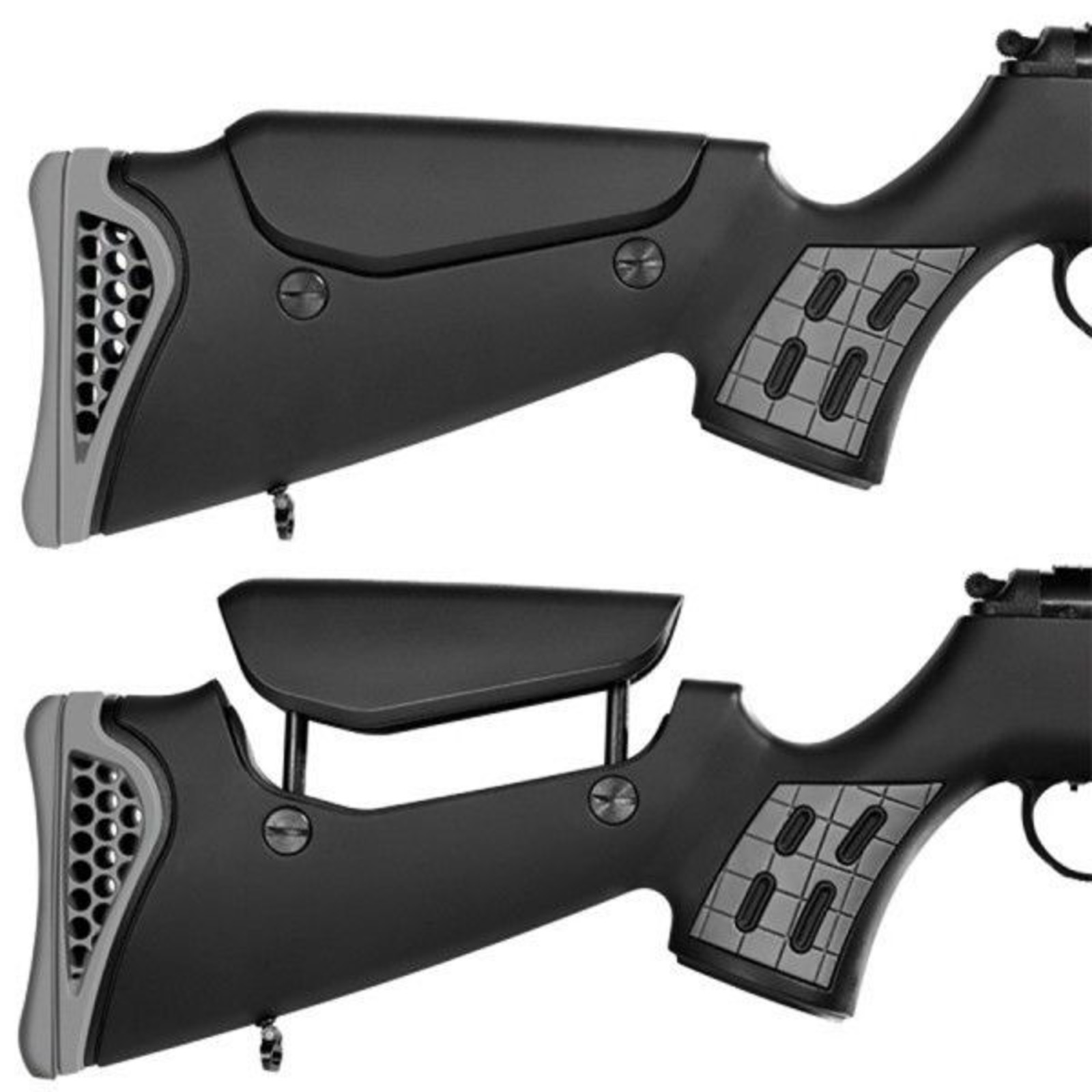
An ambidextrous Monte Carlo synthetic stock is used so both left- and right-handed shooters are accommodated. Cheek height is raised or lowered with a simple coin-adjustable comb. Length of pull is changed with the TRIOPAD® rubber pad plus three included spacers, so a comfortable fit can be set for different body sizes and clothing. Soft rubber inlays on the grip and forend improve control in wet or cold conditions. Recoil is absorbed by the TRIOPAD system and the rifle’s 9 lb / 4.1 kg mass, which also helps the platform stay steady on a bipod or rest.

Overall length is approximately 48.8 inches (1240 mm). A precision-rifled steel barrel (commonly listed around 19.6 inches in combo packages, with a shorter figure given on some factory Sniper pages because of the integrated moderator) is employed for accuracy.

Sights, Rail, and Included Accessories

Fiber-optic TruGlo sights are standard: a fixed red front and a micro-adjustable green rear for windage and elevation. An 11 mm / 22 mm combo rail plus scope stop is provided so optics can be mounted immediately. Many packages include an unmounted 3-9×32 Optima scope, rings, lens covers, a Hatsan sling with swivels, and a bipod. A complete field kit is therefore often received out of the box; pellets and eye protection are the main extras needed.

Trigger, Safety, and Handling

A two-stage Quattro trigger is fitted and can be adjusted for first-stage travel, second-stage travel, and pull weight. A crisp, predictable release is therefore available after a short setup session. Three safety systems work together: manual safety, automatic cocking safety, and anti-bear-trap protection so the barrel cannot snap shut on the hand during loading.

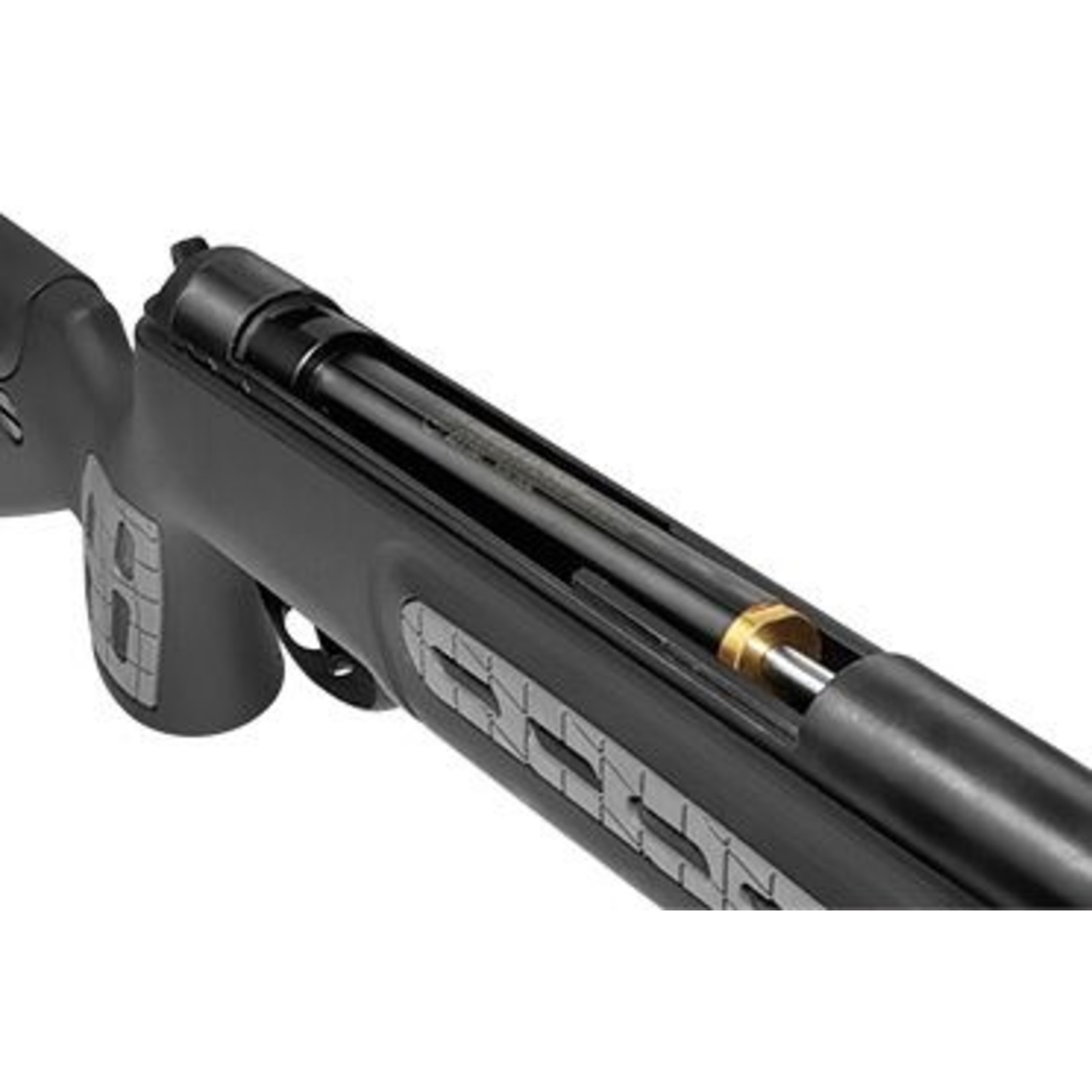
Single-shot break-barrel operation is used. The barrel is hinged downward, a pellet is seated, and the action is closed. Cocking effort is typically around 50 lb, so the rifle is best suited to adult or experienced youth shooters who can handle the weight and effort safely.

Practical Performance Notes

Groups in the 1–1.5 inch range at 25 yards have been reported with quality Hatsan or similar dome pellets when the rifle is properly rested and the shooter is consistent. Best results are usually obtained after a short break-in and with pellets that match the particular barrel. The combination of gas piston, SAS, moderator, and heavy stock makes the rifle quieter and less “twangy” than many spring magnums of similar power.

Why the Hatsan MOD 125 Sniper Vortex Is Chosen

A high-power break-barrel experience is offered without the need for pumps, CO2, or PCP filling gear. Durability of the gas piston, adjustability of stock and trigger, and the inclusion of sling, bipod, and often a scope make the package attractive for backyard ranges, pest work, and small-game hunting where local laws allow. Inclusive design details—ambidextrous stock, adjustable comb and length of pull—mean more shooters can find a comfortable, repeatable position.

Eye and ear protection, a safe backstop, and knowledge of local airgun regulations are required before any shot is fired. When those conditions are met, the Hatsan MOD 125 Sniper Vortex is ready to deliver the power and features that have made this model a long-standing favorite in the magnum break-barrel class.

Calibers, FAC Status, Power Output, and Accessories of the Hatsan MOD 125 Sniper Vortex

Three standard chamberings are offered on the Hatsan MOD 125 Sniper Vortex so the same platform can be matched to different legal limits, pellet weights, and field tasks. Maximum published velocities and energies are quoted by the manufacturer for unrestricted configurations; actual results are influenced by pellet type, temperature, altitude, and local power restrictions. Inclusive fit and accessory options are provided so a wider range of shooters can set up the rifle comfortably and legally.

Available Calibers and Typical Performance

A .177 (4.5 mm) option is supplied for highest velocity and flatter trajectory when paper targets or small pests at longer distance are the priority. Approximately 1250 fps (380 m/s) is listed as the unrestricted maximum with suitable lightweight pellets. Muzzle energy in the region of 28–29 ft-lb (about 38–39 J) is commonly associated with this chambering under full-power conditions.

A .22 (5.5 mm) option is supplied as the most versatile all-round choice. Approximately 1000 fps (305 m/s) is listed as the unrestricted maximum. Energy in the mid-30 ft-lb range (around 33–35 FPE / 45–48 J in some FAC-style figures) is typically obtained with quality lead domes, which is why this caliber is frequently selected for pest control and small-game work where local law permits.

A .25 (6.35 mm) option is supplied when heavier pellets and stronger impact at moderate range are preferred. Approximately 750 fps (230 m/s) is listed as the unrestricted maximum. Energy around 32–34 ft-lb is commonly cited. Heavier projectiles retain energy better in wind and on tougher quarry, provided shot placement and legal limits are observed.

Lead pellets of appropriate weight are recommended because lightweight alloy slugs can fragment or damage the barrel at these power levels. Consistency from shot to shot is improved once a pellet that groups well in the individual barrel has been identified.

FAC, Legal Power Limits, and Restricted Versions

Full advertised velocities and energies apply only where no energy cap is in force. In many European markets a 16 J or 17 J version is supplied so the rifle remains legal without a special certificate. In the United Kingdom an FAC (Firearm Certificate) is required for air rifles that exceed 12 ft-lb; high-power Hatsan MOD 125 Sniper Vortex examples are therefore sold as FAC models in that market. Local dealers and licensing authorities must be consulted before purchase, because power can be reduced at the factory or by official proof to meet national rules.

Responsible ownership is assumed: eye protection, a safe backstop, and knowledge of hunting or pest-control seasons and distances are required regardless of caliber or certificate status. Inclusive language is used throughout because shooters of different ages, strengths, and legal jurisdictions all need the same clear information.

Power Delivery and How It Is Managed

Power is generated by the Vortex gas piston rather than a traditional coiled spring. Smoother cocking, reduced vibration, and reliable function in cold weather are therefore achieved. Recoil and residual vibration are further controlled by the SAS Shock Absorber System. An integrated muzzle moderator is fitted so report is lowered while the full legal energy of the chosen version is retained.

Cocking effort of approximately 50 lb is typical. The 9 lb / 4.1 kg mass of the rifle helps absorb recoil and keep the sight picture steady, yet the weight and cocking force mean the platform is best suited to adult or experienced users who can handle it safely. Length of pull and cheek height can still be adjusted so a comfortable, repeatable hold is obtained by a wider range of body sizes.

Standard and Package Accessories

A two-stage Quattro trigger is fitted and can be adjusted for first-stage travel, second-stage travel, and pull weight so a crisp release is obtained after a short setup. Three safety systems operate together: manual safety, automatic cocking safety, and anti-bear-trap protection.

An ambidextrous Monte Carlo synthetic stock with coin-adjustable comb is used. Soft rubber inlays on grip and forend improve control. The TRIOPAD® rubber butt pad plus three included spacers allow length of pull to be changed. TruGlo fiber-optic sights (fixed red front, micro-adjustable green rear) are standard. An 11 mm / 22 mm combo rail with scope stop is provided so optics can be mounted at once.

Many retail packages also include an unmounted 3-9×32 Optima scope, rings, lens covers, a Hatsan sling with swivels, and a bipod. A complete field-ready kit is therefore often received; only pellets, targets, and personal protective equipment need to be added.

Matching Caliber, Power Level, and Accessories to the Task

Target shooting at 25–40 yards is commonly served by the .177 or .22 version with the included or aftermarket scope. Pest control and small-game use (where legal) are commonly served by the .22 or .25 version with the bipod and sling for supported or carried shots. Restricted-power versions remain useful for backyard ranges and training where a certificate is not held.

Accessories already supplied—adjustable stock hardware, dual-purpose rail, fiber-optic sights, sling, and often scope and bipod—reduce the extra outlay needed to put the Hatsan MOD 125 Sniper Vortex into service. Additional items that are frequently added later include a higher-quality scope with parallax adjustment, a padded case, a pellet pouch, and a cleaning kit suited to the chosen caliber.

When caliber, legal power level, and included accessories are chosen together, a capable, customizable break-barrel package is obtained. Local regulations must still be verified, and safe handling practices must be followed, so every shooter can use the rifle within the law and with confidence.

Practical Use Scenarios in the Field and on the Range

A high-power break-barrel gas-piston rifle is most useful when the task, distance, legal limit, and shooting position are matched to what the platform can do well. Single-shot loading, a relatively heavy cocking stroke, and a solid nine-pound mass are all part of that match. Consequently, best results are obtained when shots are taken from a supported position, pellets are chosen for the individual barrel, and local rules on power, quarry, and distance are respected. Inclusive setup options—adjustable comb, variable length of pull, ambidextrous stock—mean a wider range of shooters can find a repeatable hold before the first pellet is fired.

Backyard and Club-Range Target Work

Paper, reactive targets, and spinning plates at 15–40 yards are among the most common uses. A rest, sandbag, or the included-style bipod is employed so the extra mass of the rifle works in the shooter’s favor rather than against fatigue. Groups tighten once a consistent pellet is identified and a short break-in period has been completed. Fiber-optic open sights are adequate in good light at closer distances; a low-magnification scope on the dual rail is preferred when groups at 25 yards and beyond are the goal.

First-stage and second-stage trigger travel are adjusted before a serious session so a crisp break is obtained without a surprise release. Follow-through is held after every shot because residual movement is still present even when a gas piston and shock-absorption system are used. Between strings the rifle is left uncocked. Eye protection is worn by everyone on the line, and a safe backstop capable of stopping a full-power pellet is confirmed before firing begins.

Session length is kept realistic. Cocking effort near 50 pounds and overall weight near nine pounds mean that fifty to eighty well-aimed shots are more productive than two hundred rushed ones. A sling is used when the rifle is carried between benches so the muzzle stays controlled and the stock is not dragged on the ground.

Pest Control Around Buildings and Allotments

Rats, pigeons, and similar pests at modest range are routinely addressed where local law allows air-rifle use for that purpose. A .22 or .25 chambering is often selected because heavier pellets retain energy and are less easily deflected by light cover. Shots are taken from a supported position—window sill, bipod on hard ground, or a rolled jacket on a wall—so the first pellet is also the only pellet needed.

Distance is kept inside the range at which the chosen pellet still groups inside a humane vital zone. Twenty-five yards is a practical working limit for most shooters with this class of rifle; thirty-five yards is attempted only after groups have been proven on paper at that distance. An integrated muzzle moderator reduces report, which is useful near dwellings, yet the shot is never assumed to be silent. Neighbors, livestock, and pets are considered before the barrel is broken.

Lighting and weather are checked. Fiber-optic sights remain visible at dawn and dusk; a scope with a simple duplex or mildot reticle is preferred when the target is small and the background is busy. After each successful shot the area is scanned so a wounded animal is not left. Pellets that have been exposed to moisture are discarded because inconsistent weight ruins both accuracy and humane performance.

Small-Game Hunting Where It Is Lawful

Rabbits, squirrels, and similar quarry are taken only where seasons, landowner permission, and power limits allow. A heavier pellet in .22 or .25 is typically chosen so remaining energy at the target stays adequate. Shot placement is restricted to the head or heart-lung area; body shots at the outer edge of the rifle’s effective range are declined.

The rifle is carried slung with the muzzle down or in a case until the shooting position is occupied. A bipod or natural rest is used whenever possible because offhand groups with a nine-pound magnum break-barrel open up quickly. Wind is read at the target, not only at the muzzle; a 10 mph crosswind moves a .22 pellet several inches at 30 yards, so hold-off or a closer stalk is required.

After the shot the quarry is approached only when it is clearly down. A second pellet is kept ready, yet the action is not recocked until it is needed. Meat care and legal retrieval rules are followed. The same adjustable comb and spacers that make range sessions comfortable also make a long sit in a high seat or against a tree less fatiguing, provided clothing thickness is allowed for when length of pull is set.

Supported Positions, Sling, and Bipod Use

Most of the rifle’s accuracy potential is realized only when the forend is supported and the butt is consistent in the shoulder. A bipod attached near the muzzle or on a barrel band is lowered onto firm ground; the legs are not used as a spring. A sling is looped for hasty support when a bipod cannot be deployed. The heavy stock then becomes an advantage: once settled, the sight picture stays still long enough for the two-stage trigger to be pressed without a flinch.

Prone, sitting over a pack, and kneeling with an elbow on the knee are all used. Standing unsupported is reserved for very close, high-percentage shots. Cheek weld is confirmed after every change of clothing or hat because the adjustable comb is there to be used, not left at the factory setting.

Weather, Maintenance Between Sessions, and Storage

Cold weather is handled better by a gas piston than by a steel spring, yet seals and lubrication still matter. The rifle is brought to ambient temperature before a hunt so point of impact does not walk as the metal warms. Rain is wiped from the barrel and rail before the rifle is cased; the synthetic stock itself is largely weather-proof.

After a session the barrel is not left cocked. A dry patch is run through if leading is suspected, and the pivot and latch are kept clean so lock-up stays tight. Scope rings are checked because magnum recoil can loosen screws over time. Storage is in a dry cabinet, muzzle up or horizontal, with the action uncocked and the safety applied.

Matching Chambering and Power Level to the Job

A restricted-power version (common where 12 ft-lb, 16 J, or 17 J is the legal ceiling) remains useful for backyard practice and close-range pests. Full-power or FAC-level versions are reserved for jurisdictions that permit them and for quarry that justifies the extra energy. The same stock, trigger, and accessory set are used in both cases; only the internal power and the pellet choice change.

.177 is chosen when a flatter trajectory on paper or small pests is wanted and legal velocity is available. .22 is chosen when a single rifle must cover targets, pests, and small game. .25 is chosen when impact and wind resistance at moderate distance matter more than speed. In every case lead pellets of proven weight are used; alloy slugs are avoided at these energy levels.

Safety Habits That Apply to Every Scenario

A safe backstop is confirmed before the first cocking stroke. The muzzle is pointed in a safe direction while the barrel is broken and the pellet is seated. Fingers stay outside the trigger guard until the sights are on the target and the decision to fire has been made. Bystanders are kept behind the firing line. Eye protection is worn even when “just one shot” is planned.

Children and new shooters are introduced only under direct supervision and only with a power level and cocking effort they can manage safely. The ambidextrous stock and adjustable fit help, yet they do not replace instruction. Local licensing, hunting-season, and transport rules are treated as part of the equipment list, not as an afterthought.

When these habits are followed, the same rifle serves as a range trainer in the morning, a pest tool in the afternoon, and—where the law allows—a small-game rifle at last light. Support, pellet choice, and legal awareness do more for results than any single accessory. The platform is then used for what it was built to do: deliver a single, well-aimed pellet from a stable, adjustable, gas-piston break-barrel that can be set up for many different shooters and many different lawful jobs.

BinTac, AEA, Hatsan and High-Performance Airgun Selection

Explore a broad selection of modern airguns and specialist platforms covering bintac aea harpoon, bintac t9 full auto, bintac mcar 457, aea terminator, anti air tanks, bintac t9 price, bee bee gun rifle, zeus 72 cal air rifle price, air tank for pcp airguns, aea harpoon air gun, airgun shotgun, automatic air gun, air powered 50 cal rifle, and aea megalodon for sale. These search terms reflect growing interest in powerful PCP systems, semi-automatic designs, full-auto platforms, big-bore configurations, compressed-air equipment, and specialized sporting airgun technology.

The Hatsan range is also widely searched by enthusiasts looking for models such as hatsan blitz, hatsan air rifle, hatsan sortie, air rifle, hatsan model 95, hatsanusa, hatsan usa, hatsan harpoon, hatsan hercules, hatsan piledriver, hatsan sortie tact semi-auto pcp, hatsan sortie accessories, hatsan 135, hatsan bullboss, hatsan refurbished, hatsan hercules bully, hatsan airtact air rifle, hatsan flash, hatsan invader, hatsan flashpup qe, hatsan neutron star, hatsan zada, and hatsan 135 carnivore. Buyers comparing air rifles may also encounter searches for hatsun blitz, hatsan mod 95, hatsan sortie tact, airguns, hatsan 125, hatsan blitz full automatic, and hatsan pcp.

Accessories, optics, pellets, and compact platforms are represented through searches such as 4×20, hatsan velox, hatsan jet 2, mod 95, econ ii, h&n field target trophy bleifrei, hatsan blitz 30 cal, hatsan air guns, hatsan airtact, hatsan factor rc, hatsan 135 vortex air rifle, hatsan big bore carnivore rifle, hatzan blitz, bullmaster, range of air rifle, 30 cal air rifle, and .177 caliber. Additional enthusiast searches include hatsan blitz .30 cal, pallet gun, arrow launcher, refurbished air rifles, air rifle range, blitz guns, jet ii, blitz 777, air pellet gun, crow magnum, hatsan jet 2 accessories, invader auto, and semi auto pellet gun.

Customers researching long-range or performance-oriented configurations may also search for sniper long, hatsan aftermarket parts, 1000x.25, hatsan mod 65, co2 pellet rifle, air gun, hatsan blitz bullpup, and h&n field target trophy. Together, these terms cover PCP rifles, spring-powered designs, CO2 platforms, pellet ammunition, replacement components, bullpup layouts, large-caliber systems, compact pistols, semi-automatic actions, and full-automatic airgun configurations.

For BinTac and AEA-specific searches, popular terms include bintac t9, bintac, bintac llc, bin tac, bintacllc, aea airguns, bintac t 50, bintac m50, aea harpoon, bintac mcar, bintac t50, aea megalodon, bintac s45, aea harpoon for sale, aea harpoon price, bintac m50 for sale, and bintac mcar air rifle. These phrases help shoppers compare different BinTac and AEA platforms while researching specifications, availability, pricing, configurations, and compatible airgun equipment.

Frequently Asked Questions

Clear answers are provided below so common concerns about power, legality, fit, pellets, and field use can be resolved before a purchase or a first session. Inclusive language is used because shooters of different sizes, experience levels, and legal jurisdictions all need the same practical information. Focus remains on how a high-power, single-shot, gas-piston break-barrel rifle is set up and used safely.

Power, Calibers, and Legal Limits

Which chamberings are normally offered?
Three chamberings are normally offered: .177, .22, and .25. Highest velocity is associated with .177 when unrestricted figures are allowed. A balance of speed and pellet weight is associated with .22, which is why that option is chosen most often for mixed target and pest work. Heavier impact at moderate distance is associated with .25. Actual velocity and energy are influenced by pellet mass, shape, temperature, and any factory power reduction required by local law.

Are the highest published speeds always available?
The highest published speeds are available only where no energy cap is in force. In many countries a 12 ft-lb, 16 J, or 17 J version is supplied so the rifle can be owned without a special certificate. In the United Kingdom a Firearm Certificate is required once 12 ft-lb is exceeded. Local dealers and licensing offices must be consulted because the same outward model can be sold in restricted or full-power form.

How much energy is typically produced?
Energy in the mid-to-high 20s to mid-30s of foot-pounds is typically produced on unrestricted examples, depending on caliber and pellet. Restricted versions are limited to the legal ceiling of the country of sale. Humane pest and small-game performance depends on remaining energy at the target, not only on the muzzle figure, so distance and pellet choice still matter.

Is a gas piston different from a steel spring?
A gas piston is used instead of a coiled steel spring. Smoother cocking, less vibration, no spring torque, and more reliable cold-weather function are therefore obtained. The rifle can be left cocked for a short period without the fatigue that shortens a steel spring’s life, although leaving any magnum action cocked for hours is still discouraged.

Fit, Weight, and Handling

Who can use the stock comfortably?
An ambidextrous Monte Carlo stock is used so both left- and right-handed shooters are accommodated. Cheek height is raised or lowered with a coin-adjustable comb. Length of pull is changed with a rubber pad plus three spacers. Soft inlays on the grip and forend improve control in wet weather. A wider range of body sizes and clothing layers can therefore be fitted without aftermarket work.

Why does the rifle feel heavy?
A mass of about nine pounds is used so recoil is absorbed and the sight picture stays steadier on a rest or bipod. That same mass makes unsupported offhand shooting tiring. A sling is used for carry; a bipod or bag rest is used for most aimed shots. New shooters and younger users should be matched to the cocking effort and weight only under supervision.

How hard is cocking?
Cocking effort of approximately fifty pounds is typical. The barrel is hinged downward, a pellet is seated fully, and the action is closed until it locks. Fingers stay clear of the breech because an anti-bear-trap system is fitted, yet safe handling is still required. Users who cannot complete the stroke smoothly should not force the barrel.

Sights, Optics, and Accessories

Can a scope be fitted immediately?
An 11 mm and 22 mm combo rail with a scope stop is provided so rings can be attached at once. Many packages also include an unmounted 3–9×32 scope, rings, and lens covers. A scope with adjustable objective or side parallax is preferred later if groups at 30 yards and beyond are the main goal. Ring screws are checked after the first sessions because magnum recoil can loosen hardware.

Are open sights usable?
Fiber-optic open sights are fitted as standard: a fixed front and a micro-adjustable rear. They remain useful in good light at closer distances and as a backup if the optic fails. Fine groups at 25 yards and beyond are more easily obtained with a scope once the rifle is zeroed.

What else is commonly included?
A sling with swivels and a bipod are commonly included. Three stock spacers, an adjustable comb, and the dual rail are part of the core rifle. Pellets, eye protection, a case, and a cleaning kit are usually purchased separately.

Accuracy, Pellets, and Range

What groups can be expected?
Groups of roughly one to one-and-a-half inches at 25 yards have been reported when a matching pellet is used, the rifle is rested, and the shooter follows through. Results vary with barrel, pellet lot, and technique. A short break-in period is often needed before the best group size appears.

Which pellets should be used?
Lead pellets of proven weight for the chosen caliber are recommended. Lightweight alloy slugs can fragment or harm the barrel at these energy levels. Several brands and head sizes should be tested; the pellet that groups smallest in that specific barrel is then used for all serious work. Damp or damaged pellets are discarded.

What is a realistic working distance?
Twenty-five yards is a realistic working distance for most pest and small-game shots. Thirty to forty yards is attempted only after paper groups at that distance have been proven. Wind drift increases quickly with lighter pellets; hold-off or a closer position is used rather than hoping the pellet will “get there.”

Safety, Maintenance, and Storage

Which safeties are fitted?
A manual safety, an automatic cocking safety, and an anti-bear-trap device are fitted. The muzzle is still pointed in a safe direction while the barrel is open. The trigger is not touched until the sights are on the target and the decision to fire has been made. Eye protection is worn by everyone near the firing point.

Can the rifle be left cocked?
Leaving the action cocked for a short wait is less harmful than with a steel spring, yet the rifle is still uncocked when it is put away or when a shot is no longer expected. A dry, secure cabinet is used for storage. The barrel is kept clean and the pivot latch is kept free of grit so lock-up stays tight.

How is recoil managed?
Recoil is managed by the gas piston, a shock-absorption system, a thick rubber pad, and the rifle’s own mass. A consistent shoulder pocket and cheek weld matter more than any single pad. Flinching is reduced when the two-stage trigger is adjusted to a weight the shooter can press without surprise.

Caliber

.177, .22, .25

Reviews

There are no reviews yet.

Be the first to review “Hatsan MOD 125 Sniper Vortex”

FAQ

  • Spring-Piston (Break-Barrel or Underlever): Cock by compressing a spring. Reliable, no external air source needed, but can have more recoil (“spring twang”) and require technique to shoot accurately.
  • Pre-Charged Pneumatic (PCP): Filled from a scuba tank, compressor, or pump. High power, low recoil, multiple shots per fill. Popular for precision and hunting.
  • CO₂: Powered by disposable cartridges. Good for pistols and semi-auto/repeaters, but performance drops in cold weather.
  • Multi-Pump Pneumatic: Hand-pumped to build pressure. Versatile but requires effort.
  • Gas Ram (Nitro Piston): Uses compressed gas instead of a metal spring. Smoother than traditional springers.

Calibers: Most common are .177 (4.5mm) for speed/flat trajectory and general use, and .22 (5.5mm) for better hunting knockdown power. Larger “big bore” (.25, .30, .357+) exist for hunting bigger game where legal.

Yes, many modern PCP and springers deliver enough energy for small game (rabbits, squirrels, birds) and even larger game in some areas. Muzzle energy (in ft-lbs or joules) matters more than velocity alone. Always match caliber, pellet weight, and energy to the game and check local hunting regs.

Treat every airgun as if it is loaded.

  • Always point the muzzle in a safe direction.
  • Keep your finger off the trigger until ready to shoot.
  • Know your target and what is beyond it (pellets can ricochet or travel far).
  • Wear eye protection.
  • Store unloaded, out of reach of children/untrained users, and ideally locked.
  • Never shoot at hard surfaces or in areas where pellets could escape your property.

Follow these rules strictly—airguns cause real injuries.

Laws differ dramatically by country, state/province, and even city. Always verify current local laws before buying, owning, transporting, or using an airgun. Age restrictions (often 18+) are common.

Examples (summaries only; check official sources):

  • UK: Air rifles ≤12 ft-lbs (16.3 joules) and pistols ≤6 ft-lbs generally do not require a license (FAC needed above that).
  • USA: Varies by state. Some treat powerful airguns as firearms; others do not. Many states now allow big-game hunting with air rifles.
  • Canada: Some airguns classified as firearms if they exceed velocity/energy thresholds.
  • Australia: Often treated as firearms; licensing/registration required in most states.
  • EU/France/Belgium/etc.: Varies; many allow low-power (<20J) guns freely to adults, with higher power needing permits. Germany has strict ~7.5J limits in some contexts.
  • Other countries: Some have no restrictions below certain energies; others ban or heavily regulate them.

Resources: Wikipedia “Air gun laws”, airgun forums, or official government sites. For travel, research transit laws carefully.

Consider:

  • Purpose: Plinking/backyard → lower power springer or CO₂. Hunting/precision → PCP.
  • Budget: Entry-level springers are affordable; PCPs need a fill system (extra cost).
  • .177 vs .22: .177 easier for beginners/targets; .22 better for hunting.
  • Power source: Convenience vs performance.
  • Test pellets in your gun—accuracy varies.

Buy from reputable dealers and consider warranties.

  • Clean barrel periodically (especially if accuracy drops) with patches and appropriate tools/solvents. Avoid over-oiling.
  • Lubricate moving parts and seals with airgun-specific oil (not general gun oil). Springers need piston seal oil occasionally.
  • Check screws, seals for leaks (PCP), and safety mechanisms regularly.
  • Store in a cool, dry place, ideally in a case. Avoid leaving cocked for long periods.

Follow your model’s manual. Basic care extends life significantly.

International shipping may be available for select products. Customers are responsible for understanding and complying with their local import laws and regulations before ordering.

Yes. Customers are required to confirm their order number through WhatsApp or Live Chat before orders are processed and shipped.

If local laws prevent shipment to your area, your order may be canceled and refunded according to our store policy.

Processing typically takes 1–3 business days after payment confirmation. Delivery times vary depending on destination, carrier, and product availability.


  • Wrong pellets for your barrel/caliber.
  • “Death grip” or poor shooting form (especially with springers—let the gun recoil naturally).
  • Loose scopes or mounts.
  • Ignoring safety or local laws.
  • Over-oiling or shooting with obstructions.


Pellets are the most common projectile (lead or lead-free). Match them to your gun, caliber, and purpose—test several brands as accuracy varies by barrel.

  • Domed (Round-Head): Best all-rounder. Excellent accuracy, ballistic coefficient, and energy retention. Ideal for target shooting, field target, and general hunting (e.g., JSB Exact, Air Arms Diabolo Field, H&N Field Target Trophy).
  • Wadcutter (Flat-Head): Clean holes in paper. Best for close-range target/plinking (under 20-25 yards).
  • Hollow Point: Expands on impact for better energy dump. Good for small game hunting (e.g., Predator Polymag, H&N Terminator).
  • Pointed: More penetration, but often less accurate than domed.
  • Slugs: Heavier, more aerodynamic for high-power PCPs at longer ranges (better for big game where legal).

Tips: Heavier pellets in .22/.25 for hunting (better momentum). Lighter in .177 for speed/flat trajectory. Always check head size fit (e.g., 4.51-4.53mm variants).

Muzzle energy (ft-lbs or joules) matters more than velocity. Ethical shots require precise placement (head/heart-lung) within effective range.

Rough Guidelines (adjust for distance, pellet, and local laws):

  • Small game (squirrels, rabbits, birds): 9-20+ FPE, .177/.22.
  • Medium (raccoons, etc.): 25+ FPE, .22/.25 recommended.
  • Larger game: 40-100+ FPE in .30+ calibers (up to big bore for deer/hogs where permitted).

PCPs dominate serious hunting due to power and shot count. Springers/gas rams work well for small game but require skill. Always prioritize clean kills and check seasons/species rules.

  • Barrel Cleaning: Use a pull-through kit or rod with patches. Avoid brushes that could damage rifling. Clean when accuracy drops or after 500-1000 shots.
  • Lubrication: Airgun-specific silicone oil for seals/O-rings (sparingly—excess causes dieseling in springers). Springers may need piston lube periodically.
  • PCP Specific: Check for leaks (soapy water test), monitor regulator/hammer settings, and keep fill systems clean. Don’t exceed rated pressure.
  • General: Tighten stock screws, inspect for wear, store properly. Chronograph shots to track consistency.

Common Issues:

  • Inconsistent velocity → dirty barrel, bad pellets, or seal problems.
  • Spring “twang” → tuning or proper hold.
  • Low power → worn seals or under/over-pumping.

Toggle Content

  • Scopes: Airgun-rated (hold zero under recoil). 3-9x or 4-12x common.
  • Fill Systems: Hand pumps, compressors, or tanks for PCPs.
  • Safety Gear: Eye/ear protection, targets with backstops.
  • Noise: Airguns quieter than firearms, but moderators help further.

Budget Tip: Start with a quality springer (~$150-400) before investing in PCP setup.

Airgunning offers endless depth—from backyard plinking to precision competition and ethical hunting. Prioritize safety, legality, and practice. If you want specifics (e.g., recommendations for a country, budget, hunting small game, or a particular type like PCP vs springer), let me know for more targeted info! Shoot responsibly.

Tuning improves accuracy, reduces noise/recoil, or increases power (within legal limits).

  • Springers: Lighter springs, guides, seals, or custom tuning kits for smoother shot cycle. “V-Mach” or similar professional tunes popular.
  • PCPs: Regulator tuning, hammer spring adjustments, valve work for efficiency and shot count. Some add electronic systems.
  • Accessories: Suppressors (often unregulated on airguns), better triggers, stocks, and scopes.

Caution: Check laws—power increases may reclassify your gun. DIY only if experienced; professional tuners recommended.

You must be at least 18 years old to purchase any airgun or related accessories from our store. By placing an order, you confirm that you meet the legal age requirements in your state or country.

Yes. Orders may require age verification before processing and shipping. In some cases, we may request a valid government-issued ID to confirm eligibility.