FX Airguns, PCP Air Rifles, Hatsan Models and Modern Airgun Platforms
Modern airguns cover a wide range of platforms, from a basic pellet gun or BB gun to sophisticated regulated PCP airguns designed for target shooting, sporting applications, and long-range precision. Buyers researching an air rifle and air pistol collection will often encounter manufacturers such as FX and Hatsan because both companies offer extensive selections of air rifles, accessories, configurations, and caliber choices.
FX Airguns Sweden and the FX PCP Rifle Range
FX Airguns has become strongly associated with Swedish airgun engineering. Searches for fx airguns sweden, fx airguns sverige, fxairguns, and fx usa commonly lead enthusiasts toward the manufacturer’s extensive PCP lineup. In the American market, fx airguns usa is another widely searched phrase when people are researching available models, specifications, support, and accessories.
Among fx air rifles, the Impact family remains particularly recognizable. Searches frequently include fx impact, f x impact, fx impact m4, fx m4, impact m4 air rifle, and impact m4 500mm when comparing current configurations. The modular design philosophy associated with the Impact platform has helped make the fx air rifle range popular among shooters who appreciate adjustability and configurable PCP systems.
Earlier generations remain widely researched as well. The fx impact m3, impact m3, fx impact mk3, fx m3, and fx m3 airgun continue to attract attention from owners comparing generations or researching replacement components.
Caliber-specific searches include fx impact m3 .22cal air rifle, fx impact m3 .22cal air rifle. 600mm barrel, and the more general fx impact m3 air rifle. People comparing international pricing may also search fx impact m3 precio, fx impact m3 precio en usa, or fx impact m3 price before checking local regulations, specifications, and availability.
Beyond the Impact series, the FX catalog includes several distinctive designs. The fx leopard and fx leopard airgun are frequently researched alongside fx leopard .22 pcp specs by users interested in specifications and configuration details.
Other notable searches include fx drs, fx drs tactical, fx drs classic, and fx drs pro. These terms reflect interest in the different DRS configurations and their intended shooting styles.
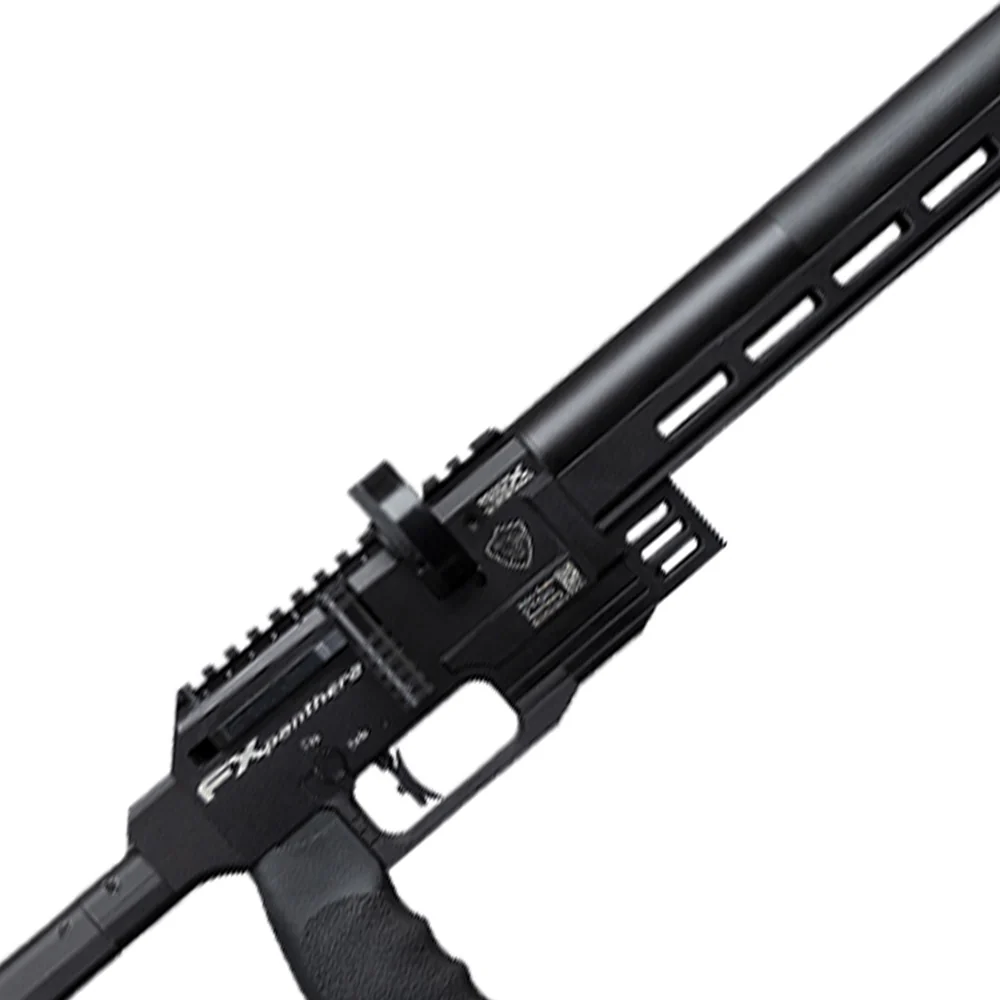
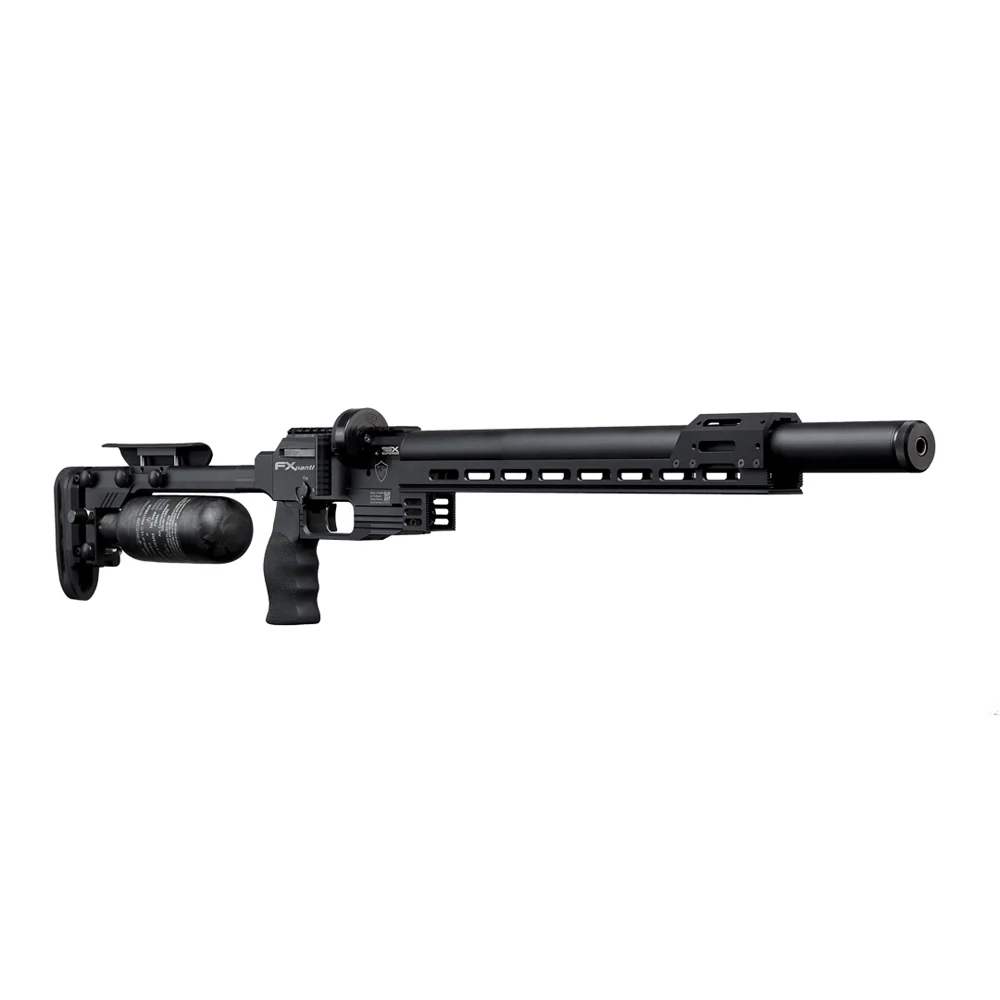
The wider FX family also includes models such as the fx king, fx wildcat, fx panthera, and fx dreamline. Collectively, these platforms demonstrate the variety available to anyone researching a premium pcp air rifle, pellet rifle, or configurable precision air gun.
Some enthusiasts also search fx outdoors when researching outdoor shooting equipment and related products, while marketplaces and information sources such as guns.com may appear during broader online research.
Understanding Pellet Guns and PCP Air Rifles
A traditional pellet gun uses shaped pellets rather than conventional firearm ammunition. The broader term pellet guns can describe spring-powered, CO₂-powered, pneumatic, and PCP platforms.
A PCP air rifle stores compressed air inside a reservoir. This system can provide consistent pressure across multiple shots depending on the rifle’s regulator, reservoir capacity, caliber, and power configuration.
For shooters comparing ammunition sizes, .177 caliber remains one of the most common options. Larger configurations are also available, including the increasingly searched 30 cal air rifle category.
Some users accidentally search pallet gun when looking for pellet-powered equipment. Regardless of terminology, specifications such as energy output, caliber, barrel length, intended range, and local legal requirements should always be reviewed before use.
The practical range of air rifle platforms varies significantly. Pellet weight, velocity, environmental conditions, barrel design, optics, and shooter technique can all affect useful range and accuracy.
Hatsan Air Rifle and PCP Platforms
The hatsan air rifle lineup covers traditional spring-powered designs as well as modern PCP systems. Searches such as hatsanusa, hatsan usa, hatsan air guns, and hatsan pcp are commonly used by enthusiasts researching the company’s models.
One of the most recognizable platforms is the hatsan blitz. Search variations include hatsun blitz, hatzan blitz, hatsan blitz full automatic, hatsan blitz 30 cal, and hatsan blitz .30 cal. Specifications and legal classifications can vary by market, so owners should verify the rules applicable in their jurisdiction.
Another frequently researched model is the hatsan model 95, also searched as hatsan mod 95 and mod 95. This traditional air rifle platform remains familiar to shooters interested in conventional stock designs.
The hatsan 125 is another established model, while the hatsan 135 family attracts shooters researching powerful spring-piston platforms. Related searches include hatsan 135 vortex air rifle, hatsan 135 carnivore, and hatsan big bore carnivore rifle.
Hatsan Sortie, BullBoss and Bullpup Designs
Compact and semi-automatic PCP designs form another part of Hatsan’s catalog. The hatsan sortie is commonly researched alongside hatsan sortie tact, hatsan sortie tact semi-auto pcp, and hatsan sortie accessories.
Bullpup enthusiasts may encounter the hatsan bullboss, bullmaster, and hatsan hercules bully. Their compact layouts are designed to reduce overall length while maintaining useful barrel dimensions.
Other PCP models include the hatsan flash, hatsan flashpup qe, and hatsan invader. These rifles provide additional choices for people comparing conventional and bullpup PCP configurations.
Hatsan Hercules, Piledriver and Large-Caliber Platforms
For people researching larger airgun platforms, hatsan hercules and hatsan piledriver often appear in search results. Large-bore air rifles differ considerably from standard .177 and .22 pellet rifles in projectile size, power output, air consumption, and intended application.
The hatsan harpoon is associated with specialized projectile launching, while an arrow launcher represents another distinct air-powered category. Such equipment can be subject to different legal rules depending on location, so local regulations should be checked before ownership or use.
Additional Hatsan Models
The Hatsan catalog extends well beyond its best-known rifles. The hatsan airtact and hatsan airtact air rifle provide another entry point into the brand’s conventional rifle selection.
Other searches include hatsan zada, hatsan neutron star, hatsan factor rc, hatsan velox, and hatsan jet 2. Each platform serves a somewhat different role, making specifications such as caliber, reservoir capacity, operating system, barrel configuration, and overall dimensions important comparison points.
Shoppers researching discounted equipment may also encounter hatsan refurbished listings or broader searches for refurbished air rifles. Condition, warranty coverage, seals, regulators, reservoirs, and service history should be checked carefully when evaluating previously used or factory-refurbished equipment.
Airgun Optics, Pellets and Accessories
Accessories can significantly affect how an air rifle is configured. A compact 4×20 optic may suit basic shooting applications, while more advanced PCP rifles are frequently paired with adjustable optics.
Pellet choice also matters. Products such as h&n field target trophy bleifrei provide an option for shooters specifically researching lead-free projectile designs. Pellet diameter, weight, head size, and barrel compatibility should all be considered when evaluating accuracy.
Terms such as econ ii may also appear when researching airgun-related equipment and accessories. Compatibility should always be verified against the exact manufacturer, model, and specification rather than relying solely on a product name.
Comparing FX and Hatsan Air Guns
FX and Hatsan approach the modern air rifle market from different directions. FX is particularly well known for highly configurable PCP platforms such as the Impact, Panthera, Wildcat, Dreamline, Leopard, DRS, and King. Hatsan, meanwhile, maintains an exceptionally broad range spanning spring-powered rifles, PCP systems, bullpups, semi-automatic platforms, and larger-caliber airguns.
Whether researching an FX Impact M3, FX Impact M4, FX DRS, Hatsan Blitz, Hatsan Sortie, Hatsan Hercules, or another platform, specifications should be compared carefully. Caliber, operating pressure, reservoir capacity, barrel length, projectile compatibility, optics mounting, overall dimensions, energy output, and regional legal requirements can all influence which configuration is appropriate for a particular lawful sporting or target-shooting application.
Practical Use in the Field and on the Range
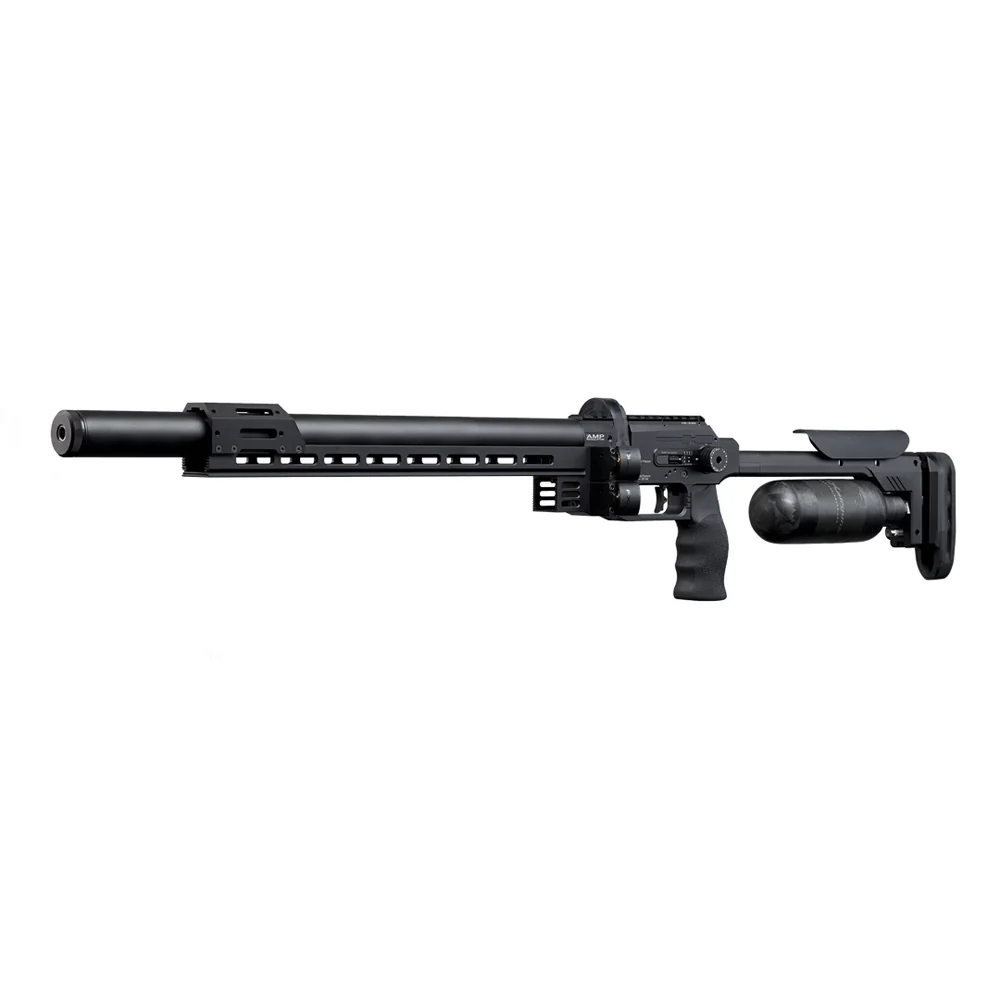
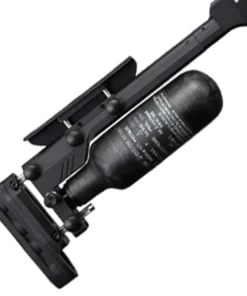
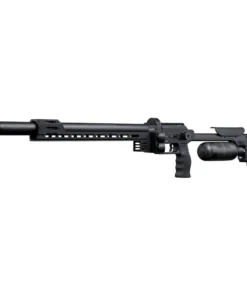
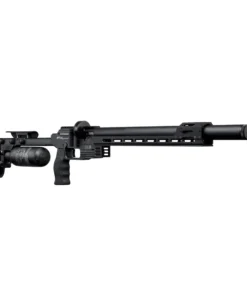
A dedicated slug platform with a 600 mm heavy liner is most often carried when consistent energy, low deviation and a tunable power curve are required. Consequently, sessions can be planned around competition stages, pest routes or longer hunting shots rather than around equipment limitations. Furthermore, an adjustable stock, reversible side-lever and full-length support rail allow the same rifle to be used by left- and right-handed shooters without a second chassis. Moreover, regulated air from a rear carbon bottle is drawn through an over-barrel plenum, so shot-to-shot pressure remains stable while the barrel itself is stiffened.
Competition Stages and Timed Strings
A match stage is typically begun after the regulator and hammer spring have been set for the chosen slug. As a result, ten-shot groups with single-digit extreme spread can be produced even when time is limited. The rifle is then shouldered against a barricade; the integral stop and ARCA rail are used so that the same point of contact is repeated from position to position. Additionally, an inclined optics rail is employed so that elevation for distant plates can be obtained without running the turret to its stop.
Between strings the side-lever is cycled smoothly. Therefore, the next slug is chambered without the rifle being taken off the bag. Likewise, magazine changes are completed with a deep-lid Side-Shot magazine so that longer projectiles are not crushed. When wind flags are read, a modest power reduction can be made at the micro adjuster; consequently, time of flight is increased slightly and drift becomes easier to call. After the stage the dual gauges are checked. Bottle pressure and plenum pressure are both confirmed before the next walk-up is started.
Inclusive match practice is supported because length of pull, cheek height and trigger reach can all be altered without tools. New competitors and experienced bench shooters can therefore share the same platform on a club night.
Hunting and Pest Routes at First and Last Light
A dawn or dusk circuit is usually walked with the rifle slung or carried at the trail. Because overall length remains moderate for a 600 mm barrel, gates and hedges can be passed without the muzzle being lifted high. When a target is located, the rifle is brought into the shoulder and the adjustable pad is already set for a standing or kneeling hold. A bipod or shooting sticks can be clipped to the ARCA rail in seconds; as a result, a stable rest is obtained even on uneven ground.
Energy appropriate to the quarry is selected beforehand. For rabbits and similar pests a mid-power .22 or .25 setting is often chosen so that a clean dispatch is achieved inside typical field distances. For larger pests or small deer where FAC conditions allow, a heavier .30 slug at higher energy is preferred. In both cases the short-impulse valve delivers a fast air pulse, so the projectile leaves the barrel before the rifle has moved in the hands. Recoil is felt as a straight push rather than a jump; follow-up shots can therefore be taken if a second animal appears.
A moderator may be fitted on the muzzle thread where local rules permit. Sound signature is reduced and livestock or neighbours are less likely to be disturbed. After the shot the empty magazine is exchanged and the gauges are glanced at. If bottle pressure has fallen near the regulator set-point, a spare bottle can be swapped at the rear Foster fitting without the rifle being dismantled.
Long-Range Slug Practice and Data Collection
A known-distance range is used when ballistic data are being built. The rifle is first zeroed at a convenient mid-range mark. Subsequently, groups are fired at 75, 100 and 150 metres with the same slug and the same regulator setting. Because standard deviation remains low, the resulting drops can be trusted and written into a dope card or ballistic app. Wind holds are then tested; a consistent muzzle velocity makes the difference between a centre hit and a miss easier to attribute to wind rather than to the rifle.
Internal or external weights can be added under the shroud or on the M-LOK slots. Balance is shifted until the rifle sits neutrally on a bag. Consequently, the shooter can hold fine elevation without fighting muzzle heaviness. An optional bag rider further steadies the rear of the stock during seated or prone strings.
Inclusive data collection is possible because the same adjustments that suit a tall shooter can be reversed for a shorter one. Cheek weld and eye relief stay constant once the stock is locked, so scope shadow is avoided across a long afternoon.
Mixed Pellet and Slug Days at the Club
A club session often begins with lighter pellets for close paper and then moves to slugs for steel. The Quick Tune System allows hammer spring and regulator to be altered between those two ammunition types in a few minutes. Therefore, one rifle can serve both the informal plinking line and the formal 50-metre card. Magazine lids designed for longer slugs still accept standard pellets; no extra parts are required for the change.
Safety flags and range commands are observed throughout. The switch-style safety is applied whenever the rifle is moved between benches. Inclusive range etiquette is maintained because left-handed members can reverse the side-lever and still use the same rest and bags as everyone else.
Travel, Storage and Between-Session Care
When the rifle is transported, the carbon bottle is usually left charged but the action is uncocked and the magazine is removed. A hard case that accepts the 44-inch overall length protects the rail and shroud. On arrival the Foster port is wiped and a brief fill is given if the gauge has dropped overnight. O-rings on the bottle and fill probe are inspected; a spare set is kept in the case so that a leak does not end the day.
After a wet hunt the exterior is dried and the muzzle thread is checked for debris. The liner itself is not removed in the field; authorised service is used when a calibre change or liner swap is planned. Regular but light oiling of the side-lever pivot and a wipe of the rails keep movement smooth. Because most wear points are accessible, maintenance can be performed by owners of different mechanical experience.
Seasonal and Weather Considerations
Cold mornings thicken lubricants and can lower indicated bottle pressure. A slightly higher regulator set-point is sometimes chosen so that the plenum still receives the intended charge. Conversely, a hot afternoon may raise pressure; the gauges are watched and a short string is fired to confirm velocity before a competition stage or a hunting shot is taken. Rain is shed by the synthetic and aluminium furniture; the rifle can be used provided the optics and fill port remain covered when not in use.
Wind on open ground is managed by choosing a slightly heavier slug in the same calibre rather than by raising power beyond the planned FAC level. Time of flight increases a little, yet energy on target remains adequate and the group stays predictable.
Training New and Returning Shooters
A first session with a new shooter is usually begun at reduced power and with a close target. Trigger reach and cheek height are set so that the sight picture appears immediately. Recoil is modest even at FAC settings when the stock is correctly fitted; confidence is built quickly. After groups tighten, power can be raised in small steps. Inclusive coaching is straightforward because every control is visible and can be demonstrated without the rifle being stripped.
Returning shooters who have been away from the sport find the same external adjusters they remember from other modern PCPs. No hidden hex keys are required for a basic tune. Consequently, a season can be started again with a familiar ritual rather than a workshop visit.
Combining Accessories for Specific Tasks
A typical hunting load-out includes a compact bipod, a spare magazine, a small bottle and a moderator. A competition load-out adds rail weights, a bag rider and a second optic or a higher-magnification scope on the inclined rail. Both kits attach to the same ARCA and M-LOK surfaces. Therefore, the rifle is not rebuilt between weekends; only the accessories are swapped.
When a longer session is planned, an extra 300 cc bottle is carried. A mid-day swap restores full shot count without a trip back to the compressor. Fill probes and dust caps stay on a lanyard so that they are not lost in grass.
Responsible Use Across Disciplines
Legal FAC conditions, quarry species and range rules are checked before every outing. Power is set to the minimum that still guarantees a humane or competitive result. Magazines are kept unloaded until the firing point is reached. After the last shot the rifle is made safe, the bottle valve is considered, and the case is closed.
When these habits are followed, the 600 mm FAC slug rifle remains a single tool that can be taken from a timed match to a twilight pest route and back to a data-gathering afternoon. Stability, adjustable furniture and a wide accessory interface allow the same platform to be shared, taught and trusted by a broad community of shooters.
Frequently Asked Questions
Common questions about a 600 mm FAC slug rifle are answered below so that a suitable configuration can be chosen with confidence. Consequently, power, calibre, accessories and legal use can be planned before an order is placed. Furthermore, inclusive guidance is provided so that both new and experienced shooters can prepare the platform for the range or the field.
Calibre, Ammunition and Magazines
Which calibres can be used?
Four common options are supported. As a result, a flatter-trajectory small-bore load or a heavier, higher-energy slug can be selected. A .22 chambering is often preferred when a balance of speed and shot count is required. Moreover, a .25 or .30 chambering is chosen when greater impact on pest or hunting targets is needed. A .177 option remains available where high magazine capacity and a mild report are desired.
Can both pellets and slugs be fired?
Both types of projectile can be used after the regulator and hammer spring have been set. Therefore, a club session that begins with paper targets can later move to steel without a barrel change. A deeper magazine lid is fitted so that slugs up to 13 mm long can be loaded. Likewise, standard pellets are accepted by the same magazine body.
How many rounds are held in the magazine?
Typical capacities are recorded as follows:
- approximately 21–22 rounds in .177
- 18 rounds in .22
- 16 rounds in .25
- 13 rounds in .30
Spare magazines can be carried so that a stage or a hunting circuit is not interrupted by a lengthy reload.
Power, FAC Settings and Shot Count
What energy can be obtained in FAC form?
Maximum published figures for the 600 mm barrel, when a tungsten hammer is fitted, are commonly listed near 82 ft-lbs in .22, 91 ft-lbs in .25 and 130 ft-lbs in .30. Consequently, humane dispatch of appropriate quarry and competitive steel engagement at distance can both be achieved. Lower settings are obtained by reducing regulator pressure and hammer-spring tension; therefore, the same rifle can remain within a club limit or a local FAC condition.
How many shots are produced from one fill?
A 300 cc carbon-fibre bottle plus the over-barrel plenum is used. At efficient mid-power slug settings, roughly 80 shots in .22, 60 shots in .25 and 35 shots in .30 are often recorded. Shot count falls when maximum energy is demanded. Dual gauges are provided so that bottle and plenum pressures can be watched throughout a session.
Is the power adjustable in the field?
External micro and macro hammer-spring adjusters plus an AMP-style regulator are fitted. As a result, a change between pellet and slug, or between a mild club setting and a hunting setting, can be completed without the action being opened. Inclusive use is supported because the same controls can be demonstrated to a new shooter in a few minutes.
Air System, Fill and Gauges
What fill pressure is required?
A maximum fill of 250 bar is specified. A rear Foster quick-disconnect with dust cap is used so that a pump, bottle or compressor can be connected quickly. After the fill, the dust cap is replaced to keep grit out of the port.
Why are two gauges fitted?
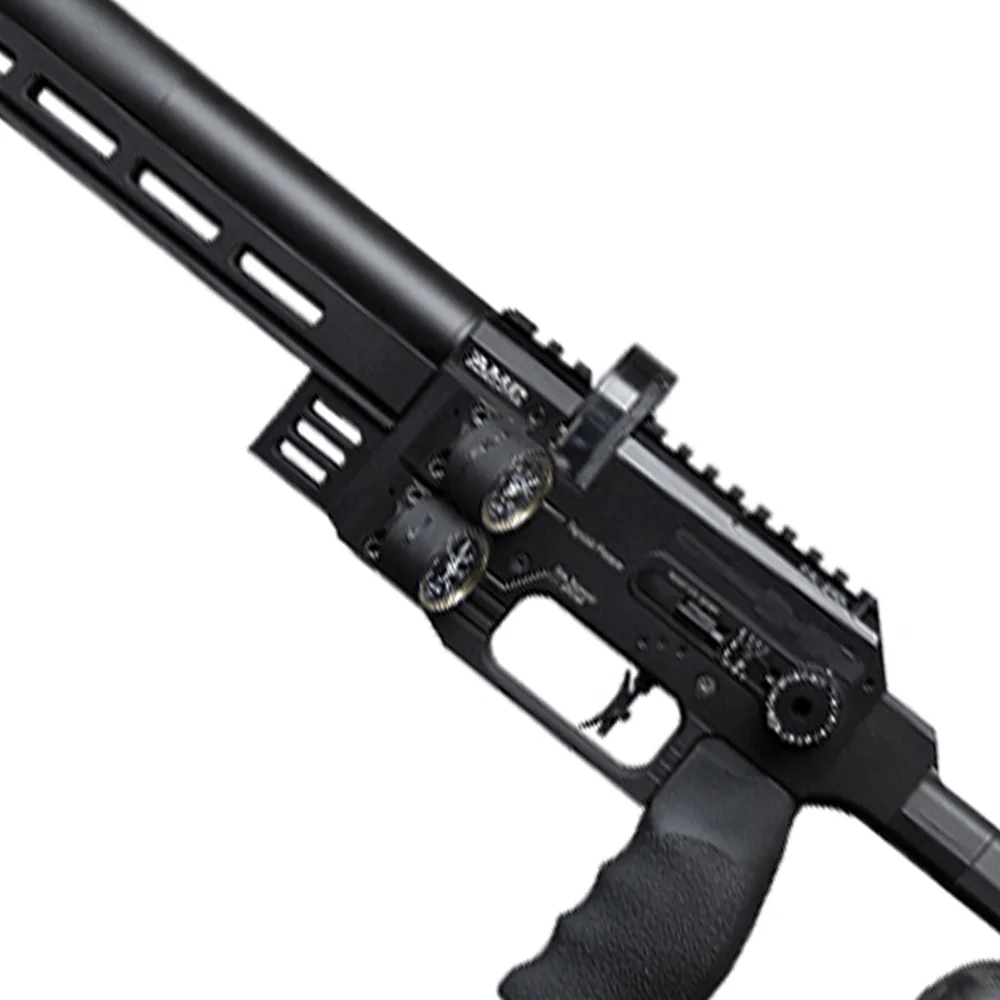
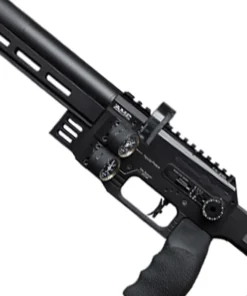
One gauge displays bottle pressure and the other displays regulated plenum pressure. Consequently, a falling bottle can be distinguished from an incorrect regulator setting. Both readings are taken before a competition string or a hunting shot so that velocity remains predictable.
Can the bottle be removed?
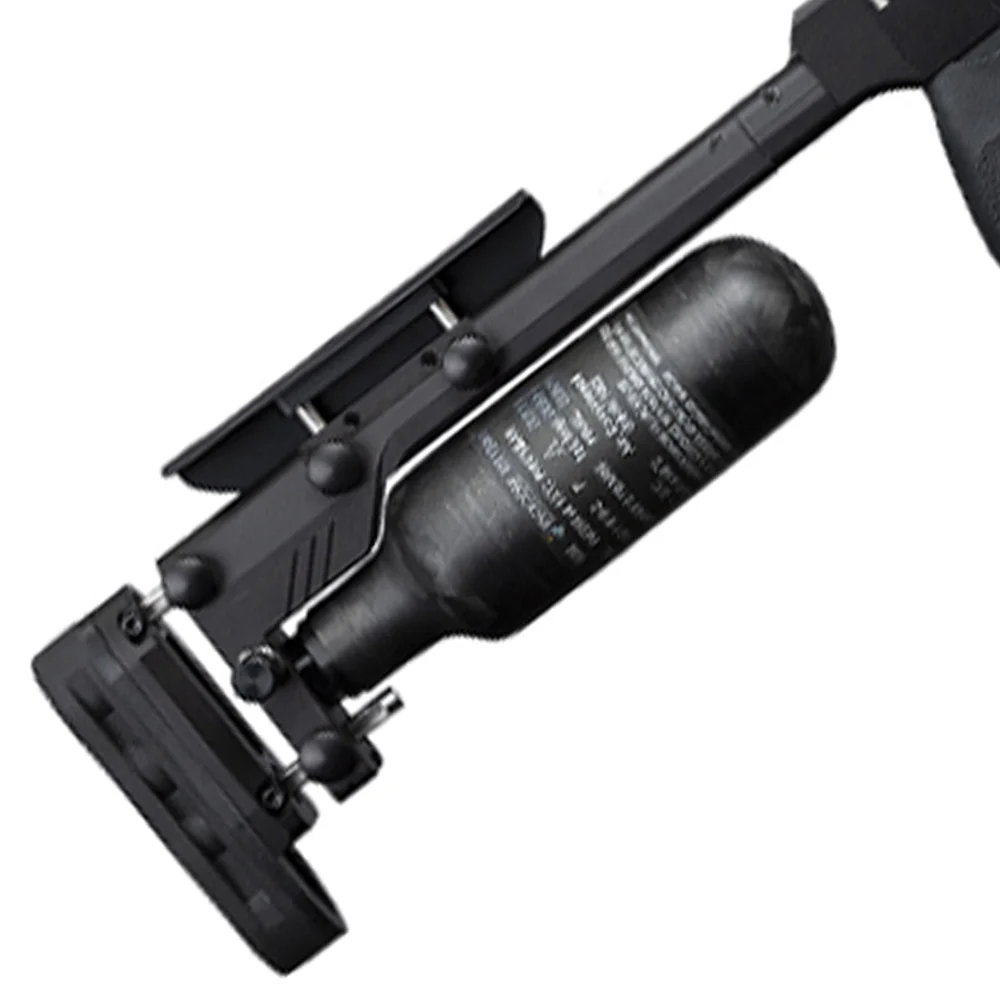
The carbon-fibre cylinder is removable. A spare bottle can therefore be carried and swapped when a long day is planned. O-rings on the bottle interface should be inspected whenever a change is made.
Barrel, Plenum and Accuracy




Reviews
There are no reviews yet.