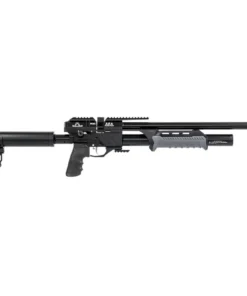
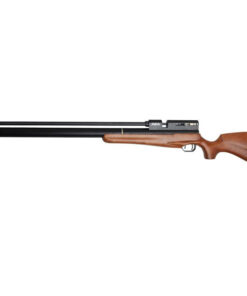
Discover the Unmatched Dominance of the AEA Precision Airgun ZEUS 58.72 Cal 16in/24in/32in″
The AEA Precision Airgun ZEUS 58.72 Cal 16in/24in/32in″ is recognized as one of the most powerful mass-production PCP air rifles available today. Exceptional big-bore performance is delivered through carefully engineered design choices that prioritize raw energy and practical versatility. Consequently, serious hunters, precision shooters, and outdoor enthusiasts are provided with a platform capable of handling demanding field conditions.
Furthermore, the AEA Precision Airgun ZEUS 58.72 Cal 16in/24in/32in″ is offered in both .58 and .72 calibers alongside three distinct barrel lengths. As a result, customization is made possible so that individual needs can be met whether compact handling or maximum muzzle energy is preferred. In addition, the side-lever cocking system is employed to ensure smooth and reliable operation, while a high-pressure air reservoir supports multiple high-impact shots per fill.
Exceptional Power That Redefines Big-Bore Airgun Performance
Tremendous muzzle energy is generated by the AEA Precision Airgun ZEUS 58.72 Cal 16in/24in/32in″. In the .72 caliber configuration with the longest barrel, energy levels approaching 1500 foot-pounds (approximately 2000 joules) can be achieved with heavy projectiles. Moreover, velocities exceeding 900 FPS with suitable heavy slugs are commonly reported. Therefore, confidence is instilled when larger game is pursued or when long-range steel targets are engaged.
Additionally, the shorter barrel options still produce substantial power while offering improved maneuverability. Consequently, the 16-inch version is frequently selected for tighter environments, whereas the 24-inch model balances portability and performance. Meanwhile, the 32-inch barrel maximizes velocity and energy transfer for extended-range applications.
Key Features of the AEA Precision Airgun ZEUS 58.72 Cal 16in/24in/32in″
Highlighted below are the standout characteristics that distinguish this air rifle:
- Available in .58 and .72 caliber configurations for flexible projectile selection
- Barrel length choices of 16 inches, 24 inches, and 32 inches to match different shooting styles
- Side-lever action for consistent and user-friendly cocking
- Maximum fill pressure of 4500 PSI supporting high-energy shots
- Air capacity that scales with barrel length (approximately 300 cc to 660 cc depending on configuration)
- Picatinny top rail for secure mounting of optics and accessories
- Single-shot design optimized for maximum power per discharge
- Robust construction engineered for field durability and repeated use
Furthermore, these features are combined so that reliability under real-world conditions is maintained. In addition, the absence of a regulator in many versions allows the full potential of the air charge to be utilized for the first few shots.
Versatile Barrel Options for Every Scenario
Different barrel lengths are provided so that shooters can select the configuration best suited to their environment.
16-Inch Barrel Configuration
Compact overall length and reduced weight are achieved with the shortest barrel. As a result, the rifle is more easily carried through dense cover or transported in vehicles. Moderate yet still impressive energy is delivered, making this option popular for closer-range hunting or tactical-style applications.
24-Inch Barrel Configuration
A balanced combination of power and handling is offered by the mid-length barrel. Higher velocity than the 16-inch version is produced while overall length remains manageable. Therefore, this setup is frequently chosen by shooters who require versatility across both field and range use.
32-Inch Barrel Configuration
Maximum energy and velocity are unlocked by the longest barrel. Consequently, the AEA Precision Airgun ZEUS 58.72 Cal 16in/24in/32in″ reaches its peak performance figures, delivering the highest foot-pounds of energy available in the series. Long-range accuracy and deep penetration are supported, giving users greater ethical assurance on larger game.
Designed for Confidence in the Field
When large animals are hunted with air power rather than traditional firearms, a profound sense of accomplishment is experienced by many enthusiasts. The AEA Precision Airgun ZEUS 58.72 Cal 16in/24in/32in″ is purpose-built so that adequate terminal performance is available. Huge projectiles combined with high energy transfer help ensure clean and effective results.
Moreover, the platform is engineered so that shooters of varying experience levels can operate it safely and effectively once proper training and local regulations are observed. Inclusive design considerations mean that the rifle can be adapted through optics, bipods, and other accessories to suit individual physical preferences and shooting styles.

In addition, the high fill pressure and substantial air volume allow several powerful shots to be taken before a refill is required. Therefore, time spent in the field is maximized rather than interrupted by frequent air management.
Why the AEA Precision Airgun ZEUS 58.72 Cal 16in/24in/32in″ Stands Out
Superior craftsmanship is reflected throughout the construction of this big-bore PCP. Premium materials and precise machining are utilized so that consistent performance is maintained shot after shot. Furthermore, the side-lever mechanism is designed for smooth cycling, reducing fatigue during extended sessions.
Additionally, the Picatinny rail accepts a wide range of modern optics, enabling precise zeroing at the distances where this level of power is most effective. Consequently, both hunters seeking ethical harvests and recreational shooters chasing extreme energy figures find the rifle highly capable.
Transitioning from smaller-caliber airguns to the AEA Precision Airgun ZEUS 58.72 Cal 16in/24in/32in″ often results in a noticeable elevation of capability. The combination of caliber size, energy output, and configurable barrel lengths creates a platform rarely matched in production air rifles.
Practical Considerations and Ownership Experience
Safe handling practices are essential and are strongly encouraged with any high-powered airgun. Local laws regarding big-bore air rifles must always be observed, and proper eye and hearing protection should be used. When these guidelines are followed, the AEA Precision Airgun ZEUS 58.72 Cal 16in/24in/32in″ can provide years of reliable service.
Moreover, accessory options such as moderators (where legally permitted), bipods, and specialized heavy projectiles further enhance the shooting experience. In addition, the single-shot nature of the design focuses attention on shot placement and preparation—qualities valued by dedicated big-bore enthusiasts.
Elevate Your Airgun Experience Today
The AEA Precision Airgun ZEUS 58.72 Cal 16in/24in/32in″ is positioned as a premier choice for those who demand exceptional power without compromise. Unparalleled energy levels, configurable barrel lengths, and robust construction are brought together in one highly capable package.
Therefore, anyone seeking a serious big-bore PCP platform is invited to explore the available configurations. Whether the compact 16-inch model, the versatile 24-inch version, or the maximum-power 32-inch barrel is selected, outstanding performance is delivered.
Experience the difference that true big-bore capability makes. The AEA Precision Airgun ZEUS 58.72 Cal 16in/24in/32in″ awaits those ready to step up to the next level of airgun performance.
Calibres, FAC Requirements, Power Output and Accessories for the AEA Precision Airgun ZEUS 58.72 Cal 16in/24in/32in″
The AEA Precision Airgun ZEUS 58.72 Cal 16in/24in/32in″ is engineered as a true big-bore platform, offering serious performance that places it firmly in the high-power category. Careful attention is given below to available calibres, legal considerations such as FAC status, measured power levels, and the range of supporting accessories that enhance usability and versatility for a wide community of shooters.
Available Calibres
Two primary calibres are offered on the AEA Precision Airgun ZEUS 58.72 Cal 16in/24in/32in″ platform: .58 calibre (approximately 14.7 mm) and .72 calibre (approximately 18.3 mm).
The .58 calibre option is frequently selected when a balance of manageable recoil, solid energy delivery, and broader projectile availability is desired. It remains highly effective for larger game and long-range steel while producing slightly lower peak energy figures than its larger sibling.
The .72 calibre configuration represents the flagship choice for maximum impact. Larger-diameter, heavier projectiles are accommodated, generating the highest energy levels in the series. Both calibres are single-shot designs optimised for precision rather than high shot counts, and both accept specialised heavy lead slugs designed specifically for big-bore PCP use.
Barrel length further influences performance within each calibre. The 16-inch, 24-inch and 32-inch options allow users to prioritise compactness, balanced handling or absolute maximum velocity and energy according to individual needs and shooting environments.
FAC and Legal Considerations
In the United Kingdom, any air rifle that produces more than 12 foot-pounds of muzzle energy is classified as a Section 1 firearm and therefore requires a valid Firearms Certificate (FAC). The AEA Precision Airgun ZEUS 58.72 Cal 16in/24in/32in″ substantially exceeds this threshold in every factory configuration. Consequently, possession, purchase and use in England and Wales are restricted to FAC holders with appropriate conditions on their certificate.
In Scotland an Air Weapon Certificate is required for lower-powered airguns, but the Zeus still falls under full FAC controls because of its energy output. Buyers are strongly advised to confirm current local regulations, storage requirements and permitted ammunition with their local police firearms licensing department or a registered firearms dealer before ordering. Export and import rules vary by country; many jurisdictions treat high-powered big-bore air rifles under the same controls as conventional firearms. Responsible ownership begins with full legal compliance.
Power Output by Configuration
Power figures for the AEA Precision Airgun ZEUS 58.72 Cal 16in/24in/32in″ vary according to calibre, barrel length, projectile weight and fill pressure (maximum 4500 PSI / 310 bar). Approximate published performance levels include:
- .72 calibre, shorter barrels (16–18 in): typically 750–1000 ft-lbs (approximately 1000–1350 joules) with suitable heavy projectiles.
- .72 calibre, mid-length barrels (24 in): commonly 970–1300 ft-lbs.
- .72 calibre, longer barrels (30–32 in): up to 1500 ft-lbs and, under optimal conditions with heavy slugs, figures approaching or exceeding 2000 joules.
- .58 calibre equivalents generally produce 700–1050 ft-lbs depending on barrel length, remaining well above conventional airgun levels while offering slightly milder recoil characteristics.
These energy levels support ethical harvest of larger game species where local regulations permit, as well as extreme long-range target work. Because the rifle is unregulated in most versions, the first two or three shots from a full fill deliver the highest power, after which velocity declines. Chronograph testing with the intended projectile is always recommended to verify real-world output.
Recommended Accessories
A comprehensive ecosystem of accessories supports the AEA Precision Airgun ZEUS 58.72 Cal 16in/24in/32in″ and helps owners tailor the rifle to personal preference and intended use.
Optics and Mounting A full-length Picatinny rail is fitted as standard, accepting a wide variety of high-quality scopes, red-dot sights and mounts. Robust, high-recoil-rated optics with generous eye relief are preferred given the substantial energy generated.
Sound Moderators and Muzzle Devices The DonnyFL Great Kami and similar large-volume moderators are popular choices for reducing the significant report of the .72 calibre models where legal. Some configurations accept threaded muzzle brakes or barrel extenders that further aid recoil management and balance.
Stability and Support Barrel bands or stabilisers specifically designed for the Zeus reduce barrel flex and improve consistency when heavy moderators are fitted. Picatinny or ARCA-compatible bipods, along with bottle-clamp rail systems, provide stable shooting platforms for field or bench use. Aftermarket tactical chassis kits are also available, converting the rifle into a more modular AR-style platform with adjustable stocks and grips.
Filling and Air Management A fill probe is typically supplied. Foster quick-fill fittings appear on many Gen 2 and later examples. High-pressure hand pumps, electric compressors rated to 4500 PSI, and large carbon-fibre scuba or carbon tanks complete a practical filling setup.
Ammunition and Ancillary Items Dedicated .58 and .72 calibre heavy lead slugs, hollow-points and specialised projectiles are essential for consistent performance. Cleaning kits suitable for large-bore barrels, protective cases, and spare seals or probes further support long-term ownership.
Collectively, the calibre choices, substantial power delivery and expanding accessory options make the AEA Precision Airgun ZEUS 58.72 Cal 16in/24in/32in″ a highly adaptable high-performance platform. When legal requirements are met and appropriate accessories are fitted, the rifle offers an exceptional combination of raw capability and practical field utility for experienced airgun enthusiasts.
Bintac, AEA Airguns, PCP Platforms and Model Terminology
Bintac and AEA Airguns are names commonly associated with large-caliber PCP airgun discussions, including models and search terms such as bintac t9, bintac, bintac llc, bin tac, bintacllc, aea airguns, bintac t 50, bintac m50, bintac mcar, bintac t50, and bintac s45.
Enthusiasts researching these platforms may also encounter terminology including bintac t9 full auto, bintac mcar air rifle, bintac mcar 457, bintac m50 pistol, bintac t50 extreme, bintac m50 pump action, aea bintac t50 extreme, and automatic air gun. These terms generally describe particular configurations, operating systems, calibers, or model families and should always be understood in the context of applicable local airgun laws and safe handling requirements.
AEA Harpoon and Related Search Terms
The AEA Harpoon family is frequently discussed alongside phrases such as bintac aea harpoon, aea harpoon, aea harpoon magnum, aea harpoon gun, aea harpoon cartridge, aea .50 harpoon, aea harpoon air gun, harpoon air gun, and the commonly mistyped aa harpoon.
Because specifications can differ between generations and configurations, prospective researchers should verify caliber, energy output, compatible air systems, ammunition type, and manufacturer documentation rather than relying solely on model-name searches.
AEA Megalodon and Large-Caliber PCP Airguns
Another commonly researched platform is the AEA Megalodon, appearing under terms including aea megalodon, megalodon air rifle, aea megalodon 58 cal, aea megalodon .58 cal, aea megalodon air rifle, and aea megalodon 50 caliber.bintac s45 for sale
Large-caliber PCP platforms are also associated with broader terms such as air powered 50 cal rifle, air tank for pcp airguns, and airgun shotgun. Because high-powered PCP equipment can store substantial compressed-air pressure and generate significant projectile energy, tanks, fittings, valves, and charging equipment should be used only within their certified operating limits.zeus 72 cal air rifle price
AEA Defender and Terminator Platforms
Other AEA terminology includes aea defender, aea defender 2, aea defender 3, aea terminator, aea terminator gen 3, and the broader phrase aea guns. Different generations may vary substantially in action type, dimensions, magazine arrangement, air capacity, caliber, and operating pressure.bintac t9 amazon
Anyone comparing these systems should therefore check the exact model designation and generation before comparing technical specifications.
PCP Air Systems and Supporting Equipment
PCP airguns depend on compressed-air storage systems. Search terms such as anti air tanks and air tank for pcp airguns may refer to high-pressure cylinders or charging equipment. Only pressure-rated equipment designed for the intended system should be used.
Other broad search phrases, including bee bee gun rifle, airgun shotgun, and automatic air gun, describe different categories of air-powered equipment rather than one standardized product type.aea megalodon 50 cal price.bintac t50 for sale
Additional Large-Caliber Airgun Terminology
Researchers may also encounter terms including zeus 72 cal air rifle, b&w m50, bintac t9, bintac m50, bintac t50, bintac s45, and bintac mcar. Model names alone do not establish compatibility, legality, operating pressure, caliber, or performance, so manufacturer documentation remains the appropriate source for technical specifications.bintac m50 for sale.bintac t9 price.aea harpoon price
For all Bintac, AEA Airguns, and large-caliber PCP systems, safe storage, responsible handling, appropriate protective equipment, and compliance with local laws should remain central considerations.aea megalodon for sale.aea harpoon for sale
Frequently Asked Questions
What makes this big-bore PCP air rifle stand out for serious hunters?
This platform delivers exceptional muzzle energy that places it among the most powerful production air rifles available. Designed specifically for large-game pursuits, it prioritizes force over high shot volume. Hunters appreciate the confidence that comes from launching heavy projectiles with substantial energy transfer. The side-lever action cycles smoothly, and the overall construction supports repeated high-pressure use in the field. Many users choose it when they want decisive performance on bigger animals while remaining within airgun regulations in their area. The combination of large projectile diameter and high energy output creates results that feel closer to traditional firearms yet retain the unique satisfaction of air-powered hunting.
Which caliber options are available and how do they differ in performance?
Two primary calibers serve different preferences. The larger option maximizes energy potential and projectile mass, making it ideal when maximum stopping power is the priority. The slightly smaller caliber still produces formidable energy while sometimes offering a balance of velocity and trajectory that some shooters prefer. Both accept heavy cast or swaged projectiles in various weights. Real-world results depend on barrel length, projectile design, fill pressure, and environmental conditions. Shooters often test multiple slug weights to find the load that groups best and delivers the energy they need for their typical hunting distances. Ethical harvests rely on proper shot placement regardless of caliber choice.
How do the different barrel lengths affect handling and power?
Three common lengths give users flexibility. The shortest configuration reduces overall length and weight, improving maneuverability in dense cover, from vehicles, or during longer walks. It still generates strong energy suitable for many large-game situations and pairs well with moderators. The mid-length option balances power gains with practical carry weight and length. The longest version extracts the highest energy figures and is preferred when absolute power matters most. Overall lengths and weights scale accordingly, so each shooter can match the rifle to terrain, physical strength, and hunting style. Longer barrels generally increase velocity and energy with the same projectile, while shorter ones prioritize portability.
What kind of energy and velocity can users expect?
Performance varies with projectile weight, barrel length, and exact setup, yet figures routinely reach levels that surprise those new to big-bore airguns. Heavier projectiles in the longer configurations can produce energy well into the four-digit foot-pound range. Velocity depends on the load; lighter projectiles travel faster while heavier ones prioritize momentum and energy transfer. Temperature, altitude, and fill pressure also influence results. Consistent ammunition and proper chronograph testing help owners understand their specific setup. The design focuses on delivering full-power shots rather than maximizing the number of lower-energy shots per fill.
How many full-power shots does a typical fill provide?
Shot count remains intentionally modest. Most users obtain a small number of high-energy shots before pressure drops below the optimal range. This approach ensures that available air contributes to maximum force rather than volume. Hunters who prioritize one or two ethical opportunities often find this philosophy preferable to carrying a rifle that offers many weaker shots. Air capacity scales with barrel length in many configurations, so longer versions generally support the higher energy demands. A quality high-pressure compressor or tank system makes refilling straightforward in the field or at camp.
What type of action and operating system does the rifle use?
A side-lever mechanism provides reliable and relatively smooth cycling for the single-shot design. The system is straightforward to operate even with gloves in cooler weather. Users open the action, load a projectile, close the lever, and the rifle is ready. Safety features are integrated into the design for responsible handling. The overall layout keeps the rifle balanced and suitable for field positions. Regular cleaning and light lubrication of the action components maintain smooth function over time.
What fill pressure does the system support?
Maximum fill pressure typically reaches 4500 PSI. Operating within the recommended range protects components and ensures consistent performance. Overfilling can damage seals or create safety risks, so owners should follow manufacturer guidelines and use calibrated equipment. A reliable pressure gauge on the rifle or filling device helps monitor levels accurately. Clean, dry air is essential; moisture or contaminants reduce reliability and can damage internal parts. Many owners invest in a quality filter system for their compressor or use certified scuba or carbon-fiber tanks.
Is the rifle suitable for different body types and strength levels?
Multiple barrel lengths and corresponding weights allow a range of users to find a comfortable setup. Shorter, lighter versions reduce fatigue during long carries or for those who prefer less mass. Longer versions deliver more energy but require greater strength and stamina for extended hunts. The stock design accommodates various shooting positions. Inclusive considerations mean that hunters of different sizes, strengths, and experience levels can evaluate the options and select what works best for their physical capabilities and preferred hunting methods. Proper technique and conditioning further improve comfort and accuracy.
What optics and accessories work well with this platform?
Most configurations include a rail system—often Picatinny or a compatible dovetail—that accepts a wide variety of scopes and red-dot sights. Big-bore rifles benefit from optics with sufficient eye relief, durable construction, and reticles suited to the trajectory of heavy projectiles. Moderators can reduce report on shorter barrels, though local regulations must be checked. Additional accessories such as bipods, slings, and high-quality filling probes enhance field utility. Projectile selection is critical; consistent, well-designed big-bore slugs improve both accuracy and terminal performance.
How should the rifle be maintained for long-term reliability?
Regular inspection of seals, the air tube, and the action keeps the system functioning smoothly. After each outing, wipe down external surfaces and check for debris. Periodic deep cleaning of the barrel and action, following safe procedures, prevents buildup. High-pressure components should be inspected according to any recertification guidelines printed on the air tube. Store the rifle with some residual pressure or according to manufacturer recommendations to protect seals. Avoid exposure to extreme temperatures or corrosive environments when possible. Proper care extends service life and maintains consistent performance.
What safety practices are essential when using high-powered air rifles?
Treat every airgun with the same respect given to firearms. Always point the muzzle in a safe direction and keep the finger off the trigger until ready to shoot. Verify the chamber is empty when not in use. Wear hearing and eye protection because these platforms produce significant report and can generate debris. Understand local laws regarding ownership, transport, and hunting with air rifles of this power level. Never attempt to modify the high-pressure system or use improper gases. Educate everyone who handles the rifle on safe procedures. Responsible ownership protects both the user and the broader shooting community.
Can this rifle be used for target practice as well as hunting?
Yes. Many owners enjoy range sessions to refine accuracy, test different projectiles, and maintain proficiency. The substantial energy makes reactive targets and long-range steel particularly satisfying. Trajectory drop is more pronounced with heavy projectiles, so practice at realistic hunting distances builds practical skill. Chronographing loads helps document performance and identify the most consistent combinations. Target use also allows owners to become thoroughly familiar with the side-lever action and overall handling before entering the field.
How does weather and altitude affect performance?
Temperature influences air density and therefore velocity and energy. Colder conditions generally reduce performance slightly, while warmer weather can increase it. Altitude affects ambient pressure and can change results compared with sea-level testing. Humidity has a lesser but still measurable impact. Owners who hunt across varied environments often develop load data for different conditions or accept a small performance window. Consistent fill pressure and projectile selection help minimize variation. Field testing in the expected hunting environment provides the most relevant information.
What should new owners know before their first outing?
Familiarize yourself thoroughly with the manual and practice loading, unloading, and safe handling at the range. Invest in quality projectiles matched to the caliber and intended use. Confirm that local regulations permit the caliber and power level for your planned activities. Arrange reliable high-pressure air sources. Start with shorter distances to understand trajectory and point of impact. Build confidence through deliberate practice rather than rushing into demanding hunting situations. Patience and preparation lead to safer and more successful experiences.
Are there differences between generations or variants of this platform?
Later iterations often incorporate refinements such as improved air capacity, updated chassis options, or enhanced structural elements. Some versions offer tactical stocks or folding features for different handling preferences. Barrel length offerings and exact energy figures can vary slightly across production runs. Buyers should review current specifications from authorized sources to confirm the features of the specific model they are considering. Regardless of generation, the core philosophy of delivering high energy in a production big-bore package remains consistent.
How does this air rifle compare to traditional firearms for large-game hunting?
It offers a distinct experience focused on the challenge and satisfaction of air-powered hunting. Energy levels can approach or exceed certain centerfire loadings depending on the configuration and projectile. Legal classification as an airgun may allow use in areas or seasons restricted for firearms. The single-shot nature and limited shot count encourage careful shot selection. Many hunters value the quieter report relative to high-powered rifles (though hearing protection is still essential) and the unique engineering involved. Ultimately the choice depends on personal preference, regulations, and the specific game pursued.
What support and resources are available for owners?
Manufacturer information, user communities, and specialty retailers provide guidance on ammunition, accessories, and best practices. Chronograph data shared by experienced shooters helps new owners select starting loads. Proper high-pressure air equipment is widely available from diving and airgun suppliers. Regular participation in forums or local clubs connects owners with practical advice tailored to this power class. Staying informed about any updates or recommended practices contributes to safe and enjoyable ownership.
These answers address the most common questions from prospective and current owners. Selecting the right configuration, practicing diligently, and following safe procedures allow users to experience the full capabilities of this high-powered platform. Careful preparation turns the potential of big-bore airgun hunting into consistent field success.


Reviews
There are no reviews yet.