Air Arms S510 Beech – Premium British PCP Air Rifle with Precision Engineering and Classic Wooden Stock
Air Arms S510 Beech – Exceptional Accuracy, Smooth Performance, and Traditional British Craftsmanship
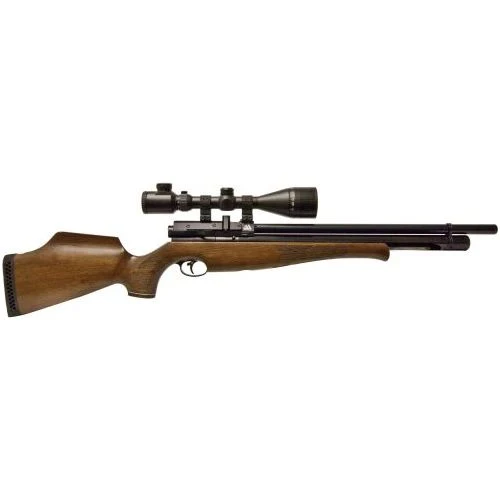
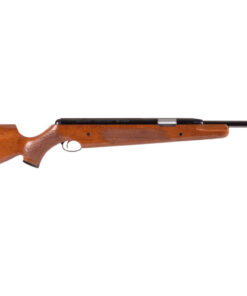
The Air Arms S510 Beech represents a refined combination of British engineering, classic sporting aesthetics, and modern pre-charged pneumatic technology. Designed around the established S510 platform, this air rifle features a traditional beechwood stock, smooth side-lever operation, and precision-manufactured components that support consistent performance during recreational and competitive target shooting.
Furthermore, its balanced construction, ergonomic design, and carefully engineered action make it an appealing option for enthusiasts who appreciate traditional styling alongside contemporary mechanical features. Each component contributes to the rifle’s overall handling characteristics, while the natural wooden stock provides a distinctive appearance.
Unlike synthetic-stock alternatives, the traditional beech configuration offers a warm, classic finish that complements the rifle’s streamlined metalwork. Meanwhile, the side-lever system introduces modern convenience without compromising its familiar sporting-rifle appearance.
Developed by the respected British manufacturer Air Arms, the S510 platform builds upon the company’s longstanding experience in precision airgun design.
Key Features of the Air Arms S510 Beech
The following features distinguish this model within the established S510 product family:
-
Traditional Beechwood Stock: A natural wooden stock combines classic aesthetics with a familiar sporting-rifle profile.
-
Pre-Charged Pneumatic Technology: The PCP operating system uses stored compressed air rather than a conventional spring-powered mechanism.
-
Smooth Side-Lever Action: A refined mechanical system provides consistent and straightforward operation.
-
Precision Lothar Walther Barrel: A quality barrel forms a central component of the rifle’s accuracy-focused design.
-
10-Shot Rotary Magazine: The magazine accommodates multiple pellets for repeated target-shooting sessions.
-
Adjustable Two-Stage Trigger: The trigger incorporates adjustment features for individual handling preferences.
-
Fully Shrouded Barrel: The barrel assembly contributes to the rifle’s streamlined appearance and integrated construction.
-
Trigger-Mounted Safety: A conveniently positioned mechanical safety forms part of the rifle’s control arrangement.
-
Optics Mounting Provision: A dovetail mounting rail accommodates compatible optical sights.
-
British Engineering: Precision manufacturing and established design principles reflect the Air Arms approach to quality.
These characteristics are documented across the manufacturer’s S510 range, although exact specifications and supplied equipment can vary between versions.
Classic Beechwood Stock – Traditional Appearance and Ergonomic Comfort
Natural Wood Finish with Timeless Sporting Character
One of the most distinctive characteristics of the Air Arms S510 Beech air rifle is its natural wooden stock.
Beechwood has long been associated with traditional sporting firearms and air rifles because of its relatively uniform grain, strength, and suitability for shaped wooden components. Consequently, it provides an attractive alternative to modern synthetic stock materials.
The stock’s natural finish highlights the familiar character of a classic British sporting rifle. Moreover, its smoothly contoured surfaces create a clean appearance that complements the action and barrel assembly.
Unlike highly figured walnut, beech generally offers a subtler grain pattern. Nevertheless, this understated appearance appeals to enthusiasts who prefer practical simplicity and conventional design.
Balanced Stock Geometry and Comfortable Handling
Beyond aesthetics, the stock has an important role in determining how the rifle feels when handled.
Its conventional sporting profile provides familiar contact points at the grip, fore-end, and shoulder. Additionally, the wooden construction contributes to the characteristic weight distribution associated with traditional air rifles.
When considering comfort, individuals should evaluate stock dimensions, length of pull, cheek position, and overall weight.
Since body proportions and shooting preferences vary, a suitable stock fit remains an important consideration during supervised range use.
Precision Barrel Engineering and Consistent Target Performance
Lothar Walther Barrel Construction
At the heart of the S510 platform is a precision-engineered Lothar Walther barrel.
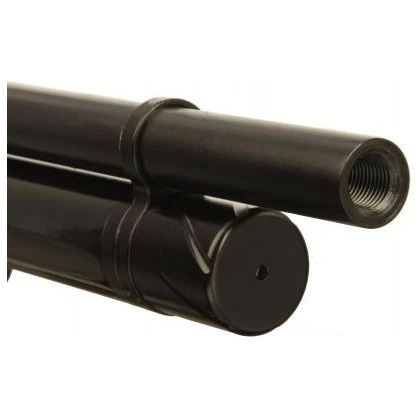
This component reflects the manufacturer’s emphasis on accuracy, repeatability, and quality manufacturing. Furthermore, the barrel assembly incorporates a shrouded design that gives the rifle its distinctive streamlined appearance.
Precise machining and consistent production standards contribute to the reputation of the S510 series among sporting airgun enthusiasts.
However, actual target accuracy depends on several factors, including pellet compatibility, equipment condition, environmental conditions, and individual shooting ability.
Engineering Designed Around Repeatability
Consistency is an important consideration in any precision target-shooting platform.
Accordingly, the S510 incorporates a carefully designed pneumatic operating system alongside its precision barrel and mechanical trigger assembly.
The combination of these components supports the rifle’s established role within the recreational sporting airgun category.
Regulated and unregulated configurations are available within the wider S510 family. Therefore, the exact pressure-management arrangement should be confirmed against the individual model before publication or specification comparison.
Smooth Side-Lever Action and Refined Mechanical Design
Modern Operation with Traditional Styling
The Air Arms S510 Beech features the side-lever action that has become a defining characteristic of the S510 family.
Compared with traditional bolt-action layouts, the lever provides a distinct mechanical operating arrangement while maintaining the rifle’s conventional appearance.
Furthermore, the system forms part of the manufacturer’s overall emphasis on mechanical refinement and user-friendly controls.
Careful engineering allows the action, magazine system, and trigger assembly to function together as an integrated platform.
Magazine System and Trigger Components
The standard S510 design incorporates a rotary magazine with a nominal capacity of ten pellets.
Additionally, its adjustable two-stage trigger offers a mechanical design commonly associated with precision-oriented sporting rifles.
The integrated safety mechanism provides a separate control feature, although it does not replace safe handling, secure storage, or appropriate range supervision.
As with any airgun, the manufacturer’s operating instructions should be followed when inspecting, maintaining, or handling the equipment.
Pre-Charged Pneumatic Technology and Available Configurations
Understanding the PCP Operating System
Pre-charged pneumatic technology uses compressed air stored within an onboard reservoir.
Unlike spring-piston systems, this arrangement does not depend on a large mechanical spring as its primary source of propulsion.
Consequently, PCP rifles feature a different operating character from traditional spring-powered airguns.
The S510 family includes several configurations with different power classifications, cylinder arrangements, and regulator specifications.
Therefore, buyers and product-page editors should distinguish the standard S510 Beech from the S510 Core, Carbine Xtra, and other related versions.
Calibre and Power Options
The manufacturer’s current S510 range includes .177 and .22 calibre configurations, with selected versions offered in different power classifications.
Nevertheless, availability varies by model and market. For example, certain higher-powered versions may be subject to firearm certification or additional legal restrictions.
In the United Kingdom, the licensing requirements for air rifles differ across jurisdictions and power categories. Accordingly, local regulations must always be checked before possession, transfer, or use.
British Manufacturing Quality and Long-Term Ownership
Established Air Arms Engineering Heritage
Air Arms has developed a longstanding reputation within the British sporting airgun industry.
The S510 reflects this background through its precision-manufactured components, conventional stock options, and carefully integrated mechanical systems.
Moreover, the availability of multiple variants demonstrates the manufacturer’s continued development of the platform.
For owners, routine inspection and maintenance remain essential for preserving mechanical condition and protecting the rifle’s exterior finish.
Maintaining the Beechwood Finish
The wooden stock should be protected from prolonged moisture exposure, excessive heat, and inappropriate cleaning chemicals.
Likewise, exterior metal surfaces should be inspected regularly for signs of corrosion or damage.
Manufacturer-approved maintenance procedures are recommended, while internal pneumatic servicing should be undertaken by suitably qualified technicians.
Proper storage in a secure, dry environment also contributes to responsible long-term ownership.
Air Arms S510 Beech – A Refined Combination of Tradition and Modern Airgun Technology
The Air Arms S510 Beech brings together the visual appeal of a traditional wooden sporting rifle and the mechanical characteristics of a contemporary PCP platform.
Its natural beechwood stock, precision barrel, side-lever operating system, and established British manufacturing heritage create a distinctive combination of design qualities.
Furthermore, the wider S510 family provides several configuration choices for enthusiasts evaluating different sporting requirements.
For recreational target shooters, collectors, and experienced airgun enthusiasts, the model offers an opportunity to appreciate conventional craftsmanship alongside modern pneumatic engineering.
Ultimately, the S510 Beech stands as a recognizable example of the way classic British air rifle design continues to evolve through modern manufacturing technology.
Snowpeak Airguns, PCP Rifles, Air Pistols and Umarex Airguns
For shooters researching Snowpeak airguns, Snowpeak Sports, and the wider Snowpeaks product range, there are many PCP rifles, air pistols, and shooting accessories to consider. Popular searches include the Snowpeak AP900, Snowpeak AP900B PCP air rifle, Snowpeak MAX 1, Snowpeak MAX 1 price, Snowpeak PP750, PP750, Snow Peak PP750, and PP750 air pistol. Buyers also regularly compare models such as the Snowpeak P35, P35, P 35, PCP P 35, Snowpeak P35X, P35X, P35X PCP, and Snowpeak P35 vs P35X.
Other Snowpeak models attracting attention include the Snow Peak PP20, Snowpeak PP20, Snowpeak M25, M25 rifle, M-25, M25 weapon, Snowpeak M60, Snowpeak M60B, M 60B, rifle M60, rifle M50, and M50 rifle. Searches such as Snow Peak brand origin are also common among buyers who want to understand the manufacturer before choosing a rifle or pistol.
Snowpeak PCP Models and Related Airgun Searches
The PCP category covers everything from compact pistols to full-size hunting and target rifles. Searches frequently include PR900 Gen 3, CR650, SR 1000X, T Rex 6000, and pistolet PCP Arcea-Snowpeak Onix Sport. People comparing pneumatic platforms may also search what is a PCP airgun, air gun, air rifle, pellet pistol, air gun accessories, 9mm pellet, and pellet 9mm.
Some search phrases overlap with firearm terminology even when shoppers are researching airgun products. These include rifle M60, how much did the M60 weigh, rifle M50, M50 rifle, M25 weapon, and snowfall gun. Therefore, model specifications should always be checked carefully so that a historical firearm search is not confused with a modern sporting airgun product.
Umarex Airguns, Air Rifles, Pistols and PCP Platforms
Alongside Snowpeak products, Umarex USA, UmarexUSA, Umarex airguns, and Umarex air rifles are widely searched by recreational shooters, target shooters, and PCP enthusiasts. The Umarex range includes PCP rifles, CO₂-powered platforms, break-barrel pistols, BB guns, airsoft replicas, and large-caliber airgun systems.
Popular PCP searches include Umarex Notos, Umarex Notos Carbine, Umarex Gauntlet, Umarex Gauntlet 2, Umarex Gauntlet 30, Umarex Zelos, Umarex Origin, Umarex Komplete, and Umarex Komplete NCR .22. Hunters researching larger airgun platforms may also encounter the Umarex Hammer, Umarex Hammer .50 caliber, Umarex Hammer Carbine, Umarex Primal 20, and Umarex AirSaber.
Why Choose This Premium PCP Air Rifle? Reasons, Benefits, Practical Applications, and Long-Term Care
Why This Traditional British Air Rifle Remains a Popular Choice
Choosing a quality air rifle involves more than comparing appearance, specifications, or advertised performance. Instead, attention should be given to engineering standards, manufacturing consistency, handling comfort, long-term durability, and suitability for recreational sporting activities. When these characteristics are carefully considered, the advantages of a well-established pre-charged pneumatic platform become easier to appreciate.
Furthermore, British airgun engineering has earned international recognition through decades of manufacturing experience, precision machining, and continued product development. Consequently, models produced by established manufacturers often attract enthusiasts who value mechanical refinement alongside traditional craftsmanship.
Unlike products designed primarily around aggressive styling, this sporting platform combines a natural wooden stock with modern pneumatic components. As a result, a familiar appearance is maintained while contemporary engineering principles are incorporated throughout its construction.
Additionally, its reputation within the sporting airgun community reflects the importance of reliability, consistent manufacturing quality, and practical ownership considerations.
Reasons to Appreciate Its Classic British Design
Traditional sporting rifles remain appealing because their design combines functional proportions with understated visual character. Rather than relying on unnecessary decorative elements, the overall construction emphasizes clean lines, familiar handling surfaces, and carefully coordinated materials.
Several characteristics contribute to this appeal:
-
Established Manufacturing Heritage: British engineering experience contributes to the development of precision sporting equipment.
-
Natural Wooden Construction: A traditional stock provides a timeless appearance that complements the metal components.
-
Modern Pneumatic Technology: Compressed-air operation offers an alternative to conventional spring-powered mechanisms.
-
Refined Mechanical Components: Precision-manufactured parts support the platform’s overall engineering quality.
-
Ergonomic Considerations: The stock profile provides conventional contact points for comfortable handling.
-
Long-Term Ownership Appeal: A recognizable product family can simplify identifying compatible manufacturer-supported accessories and maintenance services.
-
Sporting Versatility: The general design is associated with recreational range activities and organized target-shooting environments.
Together, these qualities distinguish a traditional sporting platform from many purely modern-looking alternatives.
Why Precision Engineering Matters in a Quality Air Rifle
The Importance of Consistent Manufacturing Standards
Precision manufacturing has a significant influence on the overall quality of sporting equipment. In particular, careful machining helps mechanical components fit together according to their intended design tolerances.
Moreover, consistent production standards allow manufacturers to maintain recognizable characteristics across individual units within the same product family.
The barrel, action, trigger assembly, reservoir, and stock are all important parts of the complete system. Consequently, the quality of the finished rifle depends on how these components are manufactured and integrated.
Although precision components cannot eliminate every possible source of performance variation, they provide a foundation for dependable mechanical operation when the equipment is maintained appropriately.
Furthermore, a manufacturer with an established history may offer technical documentation and access to qualified servicing support, both of which are valuable during long-term ownership.
How Quality Construction Supports Long-Term Value
Durable materials and carefully manufactured components can contribute to a longer service life. However, actual longevity depends on storage conditions, maintenance practices, usage patterns, and the availability of replacement parts.
For example, a properly maintained wooden stock may retain its attractive appearance for many years. Similarly, appropriately protected metal components can remain in good condition when moisture exposure and corrosion are controlled.
Additionally, attention to original specifications helps preserve the product’s mechanical integrity.
For these reasons, long-term value should be assessed through construction quality and maintenance requirements rather than purchase price alone.
How the Wooden Stock Enhances Traditional Sporting Appeal
Natural Appearance and Individual Character
Beechwood is widely appreciated for its relatively fine grain, workable structure, and understated appearance.
Unlike heavily figured decorative hardwoods, it generally presents a more uniform surface pattern. Consequently, a clean and traditional finish can be achieved without excessive visual ornamentation.
Furthermore, natural wood possesses variations in grain and coloration. These differences give individual stocks their own visual character while maintaining a recognizable overall design.
The stock also contributes to the balance and physical feel of the complete rifle. However, individual comfort depends on personal dimensions and preferences, so suitability should never be determined from appearance alone.
Why Proper Wood Care Is Important
Although wooden stocks are designed for regular handling, they remain sensitive to environmental conditions.
Excessive moisture may cause swelling or changes in the finish. Conversely, prolonged exposure to intense heat or unusually dry conditions can contribute to cracking or other deterioration.
Accordingly, appropriate storage conditions are essential.
In addition, unsuitable household cleaning chemicals may damage protective coatings, particularly when they contain aggressive solvents or abrasive ingredients.
Maintaining the stock’s condition therefore requires a combination of gentle cleaning, responsible handling, and controlled storage.
How to Care for the Wooden Stock and Exterior Finish
Routine Cleaning After Recreational Activities
Exterior cleaning helps protect the appearance of sporting equipment and provides an opportunity to identify visible wear.
Before any inspection or cleaning, the rifle should be confirmed unloaded and made safe in accordance with the manufacturer’s instructions. Any uncertainty should be resolved by consulting a qualified professional.
For the wooden stock, a clean microfiber cloth is generally suitable for removing ordinary fingerprints and superficial dust.
If additional cleaning is necessary, the manufacturer’s recommended wood-care product should be used sparingly and only where compatible with the existing finish.
Importantly, excessive moisture should be avoided. Water should never be allowed to accumulate around stock joints, fittings, or the action.
Once cleaning is complete, the exterior should be left clean and dry before secure storage.
Protecting the Finish from Scratches and Damage
Scratches are more likely to occur when equipment is placed against rough surfaces or stored alongside hard metal objects.
Therefore, a suitable protective case or compartment can be beneficial during lawful transportation.
Similarly, a clean, padded surface can protect the stock during external visual inspections.
Additional precautions include avoiding prolonged direct sunlight, preventing contact with strong solvents, and keeping the stock away from uncontrolled heat sources.
Where a wooden finish becomes severely scratched, cracked, or discolored, advice should be obtained from an experienced stock specialist rather than attempting unverified refinishing procedures.
How to Maintain the Barrel and External Metal Components
Why Corrosion Prevention Matters
Metal components can be affected by environmental moisture, fingerprints, and contamination.
Consequently, routine external inspection is important, especially after use in humid or changing weather conditions.
A soft, lint-free cloth can be used to remove superficial dirt from appropriate exterior surfaces. Where protective products are required, only manufacturer-approved materials should be selected.
Furthermore, oils and chemical treatments should not be applied indiscriminately. Certain substances can damage seals, stock finishes, and other materials.
Internal barrel cleaning should follow the manufacturer’s specific recommendations. Improper cleaning implements or unsuitable solvents may damage sensitive components.
For this reason, uncertain maintenance procedures should be referred to a qualified airgun technician.
Recognizing When Professional Servicing Is Necessary
Visible corrosion, damaged fittings, unusual mechanical resistance, or unexplained air loss may indicate that further inspection is needed.
Rather than attempting improvised repairs, the equipment should be taken out of service and assessed by an appropriately qualified technician.
In particular, pressurized components require specialized knowledge and should never be dismantled without the manufacturer’s approved training and procedures.
Professional maintenance helps ensure that repairs are conducted using suitable replacement parts and established service standards.
How to Care for the Pneumatic Air Reservoir
Understanding the Importance of Pressure-System Safety
A pre-charged pneumatic rifle contains compressed air within a purpose-designed reservoir.
Because compressed air stores considerable energy, reservoir integrity is an essential safety consideration.
The manufacturer specifies operating limits, filling arrangements, and maintenance requirements for each relevant model.
Accordingly, these instructions should always take precedence over generalized online advice.
Furthermore, pressure vessels and associated seals can be affected by age, environmental exposure, and mechanical damage.
Routine visual inspection may help identify obvious concerns, but it cannot replace formal technical assessment.
Why Unauthorized Modifications Should Be Avoided
Changes to pneumatic components can affect the original pressure-system design and introduce serious safety risks.
Therefore, internal regulator adjustments, valve modifications, and unauthorized pressure alterations should not be attempted.
Similarly, incompatible filling equipment should never be connected to the reservoir.
If leakage, visible reservoir damage, or unusual pressure behavior is suspected, use should stop until the system has been professionally assessed.
For long-term care, the applicable inspection and servicing intervals should be confirmed directly from official documentation.
Practical Applications in Responsible Sporting Environments
Recreational Target Shooting
Organized target shooting remains one of the most recognizable recreational activities associated with sporting air rifles.
A supervised range provides an environment where equipment can be used according to established safety rules, designated firing directions, and appropriate range procedures.
Moreover, club activities encourage responsible ownership, structured participation, and familiarity with relevant safety expectations.
Individuals interested in the sport can benefit from accredited instruction and range membership, particularly when they are new to pneumatic sporting equipment.
Sporting Clubs and Marksmanship Education
Formal sporting clubs can provide access to knowledgeable instructors and established codes of conduct.
Additionally, equipment familiarization may be included within wider educational programs covering safe handling, legal responsibilities, storage, and basic maintenance.
These settings allow participants to develop a better understanding of sporting equipment without relying solely on informal advice.
Importantly, all activities should comply with applicable laws, club regulations, and supervision requirements.
Collecting and Appreciating Sporting Engineering
Not every owner acquires a traditional air rifle solely for regular sporting activity.
Some enthusiasts appreciate the combination of woodworking, mechanical design, manufacturing history, and the evolution of pneumatic technology.
In this context, the model’s conventional stock and modern action form an interesting example of how longstanding manufacturing traditions can coexist with newer engineering approaches.
Collectors may also place importance on original condition, complete documentation, and appropriate professional servicing records.
Why Safe Storage Is Essential for Long-Term Ownership
Protecting Equipment and Preventing Unauthorized Access
Secure storage is one of the most important responsibilities associated with airgun ownership.
When not in use, the rifle should be kept unloaded and secured against unauthorized access, particularly by children or individuals without appropriate permission.
A purpose-designed, lockable storage solution may be suitable where permitted by local regulations.
Furthermore, ammunition should be stored securely according to applicable requirements.
Protective cases intended for transportation should not automatically be treated as substitutes for compliant long-term storage.
Maintaining Suitable Environmental Conditions
Temperature and humidity influence the condition of both wooden and metal components.
Accordingly, storage should take place in a dry environment away from significant temperature fluctuations.
Excessively humid rooms may contribute to corrosion, while uncontrolled heat can affect finishes and certain materials.
Regular external checks can help identify condensation, discoloration, or visible deterioration before damage becomes more extensive.
Long-Term Care and Ownership Checklist
A simple maintenance schedule can help preserve the rifle’s condition without unnecessary mechanical intervention.
-
After Each Outing: Inspect visible external surfaces and remove ordinary dust or fingerprints.
-
Regularly: Examine the wooden finish for moisture damage, scratches, or cracking.
-
During Storage: Maintain a secure environment with appropriate humidity control.
-
Periodically: Check accessible exterior metalwork for visible corrosion.
-
When Problems Occur: Stop use and seek professional assessment of unusual mechanical behavior.
-
At Manufacturer-Specified Intervals: Arrange qualified servicing and any required pressure-system inspections.
-
Before Transportation: Confirm that the equipment is unloaded and transported in accordance with applicable laws.
-
During Ownership: Retain the operating manual, purchase documentation, and service history.
These preventive measures support responsible ownership and help maintain the product’s overall appearance and condition.
Final Reasons to Value This Traditional Sporting Platform
The lasting appeal of this British-engineered air rifle comes from its combination of conventional styling, established manufacturing practices, and modern compressed-air technology.
Its wooden stock contributes natural character, while precision components demonstrate the importance of engineering quality in sporting equipment. Furthermore, the availability of manufacturer documentation and professional servicing support can make ownership more manageable over time.
Although performance and condition inevitably depend on use and maintenance, appropriate care helps protect the investment represented by a premium sporting rifle.
Umarex Pistols, BB Guns and T4E Models
For handgun-style platforms, popular searches include Umarex BB gun, BBgun, BB gun pistol, metal BB gun, Umarex TR50, Umarex HDR 50, Umarex T4E, Umarex T4E Smith, Umarex Smith, and Umarex P2P DR50 how many joules.
Glock-style replicas remain another major category. Search terms include Glock BB gun, Glock 19 BB gun, Umarex Glock 19, Umarex Glock 19X, Umarex Glock 19 Gen3 .177 caliber BB gun air pistol, Umarex Glock 17, Umarex Glock 17 Gen 5, Umarex Glock, airsoft Glock, airsoft Glock 19, Glock 17 airsoft, and Glock airsoft gun.
Other replica and recreational searches include Umarex MP40, Umarex MP5, Umarex Legends, Umarex HK Heckler, Umarex shotgun, and airsoft pistol.Umarex DX17.
Break-Barrel and Sporting Umarex Airguns
Shooters looking for spring or gas-piston platforms frequently research the Umarex Trevox, loading Umarex Trevox break barrel .177, Umarex pistol break barrel, Umarex Fusion 2, Umarex Synergis Elite, and Amazon Umarex Browning 800 Express. These platforms provide alternatives for people who want an airgun without relying on a high-pressure PCP charging system.
Additional searches across the Umarex catalog include Umarex H, while broader terms such as air rifle, pellet pistol, air gun, and air gun accessories help buyers compare platforms, ammunition, optics, filling equipment, targets, cases, and other shooting equipment.
Whether the focus is a Snowpeak M60, Snowpeak M25, Snowpeak P35X, Snowpeak PP750, Snowpeak MAX 1, Umarex Notos, Umarex Gauntlet 2, Umarex Origin, or Umarex Hammer Carbine, buyers should compare caliber, operating system, power level, dimensions, intended use, and local regulations before selecting an airgun.
Frequently Asked Questions (FAQs)
1. What makes this British PCP air rifle different from other sporting models?
This British-engineered sporting rifle combines traditional craftsmanship with modern pre-charged pneumatic technology. Unlike conventional spring-powered alternatives, its compressed-air operating system provides a different mechanical shooting experience while maintaining the familiar appearance of a classic wooden-stock rifle.
Furthermore, the precision-manufactured barrel, smooth side-lever mechanism, and thoughtfully designed action contribute to its established reputation among recreational target-shooting enthusiasts.
Another important distinction is the natural wooden stock, which offers traditional aesthetics rather than the contemporary appearance associated with many synthetic alternatives.
Additionally, the manufacturer’s longstanding experience in sporting airgun production provides buyers with access to established technical documentation and servicing information.
2. Is this rifle suitable for beginners?
Beginners may appreciate its conventional stock design, recognizable controls, and established sporting heritage. However, suitability depends on individual experience, physical comfort, applicable laws, and access to qualified instruction.
For someone unfamiliar with compressed-air sporting equipment, supervised familiarization at an approved shooting range is recommended.
Furthermore, the rifle’s weight, dimensions, and handling characteristics should be assessed before a purchasing decision is made.
Although the mechanical design offers several modern conveniences, the equipment still requires responsible handling and an understanding of pneumatic pressure-system safety.
Consequently, new enthusiasts should prioritize professional instruction, appropriate protective equipment, and secure storage arrangements.
3. What are the main advantages of a natural wooden stock?
A natural wooden stock provides an attractive combination of traditional appearance, familiar handling characteristics, and distinctive material texture.
Unlike synthetic materials, wood displays subtle grain and color variations that give each stock an individual appearance.
Furthermore, its conventional sporting profile complements the overall design of the rifle.
Beechwood is generally valued for its relatively uniform grain and suitability for furniture and sporting-stock construction.
Nevertheless, wooden components require protection against excessive moisture, strong chemicals, and prolonged exposure to uncontrolled temperatures.
With appropriate care, the original finish can remain attractive throughout many years of responsible ownership.
4. How does pre-charged pneumatic technology work?
Pre-charged pneumatic technology uses compressed air stored in an onboard reservoir as the energy source for the rifle’s operating system.
Rather than relying on the compression of a large spring during each firing cycle, the mechanism draws upon the air already contained within the pressure vessel.
Consequently, its mechanical operation differs from that of traditional spring-piston air rifles.
The system incorporates several precision-engineered components, including valves, seals, and pressure-containing assemblies.
Because these components operate under substantial pressure, manufacturer-approved maintenance and suitable filling equipment are essential.
Any suspected pressure-system defect should be examined by a qualified airgun technician.
5. Is the rifle available in different calibres?
Different calibre configurations exist within this manufacturer’s sporting rifle range, including commonly encountered .177 and .22 options.
However, the available configurations depend on the exact model, production period, and destination market.
Furthermore, certain versions may be offered with different legal power classifications.
As a result, the calibre and specification of an individual rifle should be confirmed using its official product documentation.
Buyers should also consider regional ownership requirements before selecting any sporting airgun.
Importantly, a particular calibre does not automatically establish whether a rifle can be owned without a certificate or license.
6. Does the rifle feature a magazine system?
Yes. The standard design incorporates a rotary magazine system, with a commonly specified capacity of ten pellets.
This arrangement forms part of the platform’s established mechanical configuration.
Additionally, the magazine and side-lever action work together as components of the manufacturer’s integrated design.
However, the exact magazine supplied with a particular rifle should be verified before purchase, especially when evaluating second-hand examples.
Replacement magazines should be genuine or specifically confirmed as compatible with the relevant model and calibre.
For reliability and safety, damaged magazines should be inspected or replaced according to manufacturer recommendations.
7. How accurate is this sporting air rifle?
The rifle incorporates a precision-manufactured barrel and an established pneumatic operating system designed for consistent sporting performance.
Nevertheless, actual accuracy cannot be represented by a single universal figure.
Environmental conditions, ammunition compatibility, equipment condition, individual ability, and range procedures all influence observed results.
Furthermore, differences between individual configurations may affect performance characteristics.
Although precision engineering provides an important foundation, no manufacturer can guarantee identical outcomes under every condition.
For meaningful comparisons, potential buyers should consult official technical information and independently conducted sporting-equipment reviews.
8. What type of scope can be used with this model?
The rifle’s optics mounting arrangement accommodates compatible sporting scopes, subject to the correct mounting system and suitable dimensional clearance.
Different optical configurations are available for recreational target-shooting applications.
However, selecting appropriate equipment requires consideration of the exact rifle configuration, scope dimensions, and manufacturer’s mounting specifications.
Furthermore, not every optical accessory advertised for air rifles is universally compatible.
Buyers should confirm rail dimensions and mounting requirements before ordering additional equipment.
Where uncertainty exists, an experienced sporting-equipment retailer or qualified technician can provide compatibility guidance.
9. Does the rifle come with a scope included?
A scope is not necessarily included as standard equipment.
The contents of a retail package can differ between sellers, markets, special editions, and promotional offers.
Some packages may contain only the rifle and manufacturer-supplied accessories, while others may be marketed with additional optical equipment.
Therefore, the product listing should clearly identify all included items.
Furthermore, buyers should request confirmation of the supplied magazine, filling-related accessories, manuals, and other components where applicable.
Reviewing the complete package specification helps prevent misunderstandings and ensures that expectations match the actual product.
10. Is the side-lever mechanism reliable?
The side-lever action is an established feature of this British sporting rifle platform.
Its design reflects the manufacturer’s emphasis on mechanical refinement and practical integration with the magazine system.
However, reliability depends on appropriate maintenance, correct component condition, and adherence to the operating manual.
Excessive resistance, unusual movement, or apparent mechanical damage should never be ignored.
Instead, the equipment should be removed from service until the cause has been professionally assessed.
Additionally, unauthorized modifications may compromise mechanical integrity and should be avoided.
11. Is the trigger adjustable?
The standard platform incorporates an adjustable two-stage trigger assembly, although the exact adjustment provisions should be checked against the specific variant.
This design is commonly associated with precision-oriented sporting equipment.
Nevertheless, trigger mechanisms are safety-critical components, and inappropriate alterations can cause dangerous operating conditions.
Consequently, any necessary adjustment should follow official manufacturer guidance and be undertaken by appropriately competent personnel.
Furthermore, a properly functioning mechanical safety does not replace safe handling practices.
Regular professional inspection remains advisable whenever unusual trigger behavior is observed.
12. How should the wooden stock be cleaned?
The wooden stock should be maintained using gentle cleaning methods appropriate for its original finish.
Ordinary surface dust and fingerprints can generally be removed with a clean, soft microfiber cloth.
Additionally, manufacturer-approved wood-care products may be appropriate when compatible with the stock’s protective coating.
However, abrasive cleaning materials, excessive water, and harsh household solvents should be avoided.
Prolonged exposure to moisture can damage the finish or affect the underlying wood.
After cleaning, the exterior should be dry before the rifle is returned to secure storage.
13. Can the rifle be stored for several months without use?
Yes. Extended storage is possible when the equipment is maintained and secured according to the manufacturer’s recommendations.
Before storage, the rifle should be confirmed unloaded and placed in a suitable locked location.
Furthermore, a dry and temperature-stable environment helps protect the wood, metal surfaces, and other materials.
The manufacturer’s instructions should be consulted regarding reservoir pressure during extended inactivity.
Because pressure-system designs vary, generalized recommendations should not replace model-specific guidance.
Periodic external inspections can also help identify visible deterioration.
14. How often does a PCP air rifle need servicing?
Servicing frequency depends on the specific model, age, operating conditions, and manufacturer’s prescribed maintenance schedule.
Routine exterior cleaning may be undertaken as part of ordinary responsible ownership.
However, internal pneumatic maintenance, pressure-related repairs, and replacement of safety-critical components should be handled by qualified technicians.
Furthermore, signs of air leakage, corrosion, or mechanical malfunction may justify inspection before the next scheduled service.
Maintaining accurate records of professional servicing can also be useful, particularly when the equipment is sold or transferred in the future.
15. What should be done if the rifle develops an air leak?
Any suspected air leak should be treated as a potential pressure-system concern.
If unusual pressure behavior, audible leakage, or visible damage is detected, further use should stop.
The rifle should then be assessed according to the manufacturer’s safety guidance.
Importantly, compressed-air components must not be dismantled or modified by unqualified individuals.
Internal pressure can remain hazardous even when external indications appear minor.
A competent airgun technician can determine whether seals, valves, reservoirs, or other components require approved professional servicing.
16. Is this model suitable for recreational target shooting?
Yes. The platform belongs to a category commonly associated with recreational target shooting and sporting range activities.
Its established design includes features generally found in precision-oriented pneumatic sporting rifles.
Nevertheless, participation should take place in a lawful, controlled environment with suitable supervision where required.
Furthermore, protective equipment and established range rules remain important regardless of the participant’s experience level.
Organized sporting clubs can provide useful opportunities for learning about equipment care, legal obligations, and responsible participation.
17. Can the rifle be used in different weather conditions?
Outdoor sporting equipment may encounter varying environmental conditions, but exposure to rain, excessive humidity, dust, and extreme temperatures should be minimized.
In particular, the natural wooden stock and external metal components require protection from prolonged moisture exposure.
After lawful outdoor use, visible external surfaces should be inspected and cleaned according to the manufacturer’s recommendations.
Furthermore, wet storage cases should not be used for long-term storage.
If water enters sensitive mechanical areas or potential pressure-system damage is suspected, professional assessment is advisable.
18. What is the difference between beechwood and walnut stocks?
Both materials are used in traditional sporting-stock construction, although their appearance and characteristics differ.
Beechwood generally features a relatively uniform grain and understated finish.
Walnut, by comparison, is often selected for its more decorative grain patterns and distinctive natural coloration.
Furthermore, walnut-stock configurations may carry a different retail price depending on grade and design.
Neither wood automatically guarantees better mechanical accuracy because barrel quality, action design, equipment condition, and other factors also influence performance.
Ultimately, choosing between these materials is largely a matter of aesthetics, personal preference, and available product specifications.
19. Are replacement parts and accessories available?
Replacement parts and compatible accessories may be obtainable through authorized retailers, specialist suppliers, and approved service centers.
Availability depends on the production year, exact model, local market, and individual component.
Furthermore, some internal parts may be restricted to professional servicing because of their relationship to the pressurized operating system.
When purchasing replacements, the correct model identification and manufacturer specifications should be verified.
Using unsuitable components may cause damage, affect reliability, or compromise safety.
For this reason, genuine manufacturer-approved parts are generally preferable.
20. Does the rifle require a license?
Licensing requirements depend on the country, jurisdiction, power classification, and applicable legislation.
In the United Kingdom, for example, legal requirements differ between England, Wales, Scotland, and Northern Ireland.
Furthermore, higher-powered configurations may be subject to additional certification requirements.
Outside the United Kingdom, national and regional rules can vary considerably.
Consequently, buyers should confirm the laws that apply to their location before purchasing, importing, possessing, or transporting any air rifle.
Retailers should also ensure that sales and delivery procedures comply with all applicable legal obligations.
21. How long can a well-maintained sporting air rifle last?
There is no universal lifespan because longevity depends on manufacturing quality, maintenance, storage conditions, and patterns of use.
Nevertheless, properly maintained sporting equipment can provide many years of ownership.
Regular inspection of exterior components, careful protection of wooden finishes, and professional servicing are important considerations.
Furthermore, retaining the original instruction manual and maintenance records may help future technicians identify the correct service requirements.
Any component approaching a manufacturer-defined replacement or inspection interval should be assessed appropriately.
22. What should buyers check before purchasing?
Several considerations deserve attention before selecting a particular configuration.
First, the exact model designation, calibre, and legal power classification should be confirmed.
Next, buyers should examine the official specifications, package contents, warranty conditions, and availability of qualified service support.
Additionally, the stock dimensions, overall weight, and suitability for the intended lawful sporting activity should be considered.
When evaluating previously owned equipment, documented service history and professional condition assessment can be especially valuable.
Finally, purchase and ownership must comply with relevant local regulations.
23. Why is this rifle considered a long-term sporting investment?
Its appeal comes from the combination of traditional styling, established engineering, precision-manufactured components, and the manufacturer’s recognized heritage.
Furthermore, a well-preserved wooden stock and correctly maintained mechanical system may help retain the rifle’s functional and aesthetic value.
However, resale prices and long-term value depend on condition, market demand, production specifications, and available documentation.
Consequently, buyers should evaluate the model primarily according to personal sporting requirements and ownership expectations rather than assuming future appreciation.

Reviews
There are no reviews yet.