We Deliver Airguns Directly To Your Door
SKU N/A Category

AirMaks Arms Katran Pro Long Extra High Power

Price range: €1,370.00 through €1,420.00

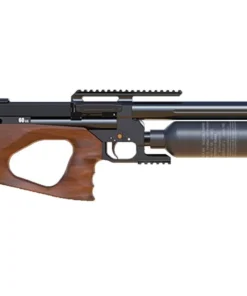
Fully adjustable air rifle, the KATRAN PRO has an ergonomic ambidextrous grip, a foldable stock with fully adjustable butt-pad and cheek-piece. The aluminium handguard has an Arca rail with M-LOK slots for accessory mounting. Easy-cocking side lever comfortably situated near the trigger with a possibility to change right-left side. The trigger has a 2-stage adjustment.

  • Aluminium, foldable, fully-adjustable stock
  • Adjustable cheek piece and butt pad
  • Arca Rail with M-Lok slots and picatinny rail
  • Ambidextrous grip
  • Side lever action, right-left changeable
  • AR15 style safety, right-left changeable
  • Fully adjustable match trigger
  • Supplied with Negrini case
  • HUMA-AIR Regulator
  • Anti-double feed system
  • External velocity regulation screw
  • 20MOA Picatinny rail
  • 1/2” UNF thread for moderator
  • CZ Barrel with 1:17.7 twist
  • Magazine – 18 shot (.177), 16 shot (.22), 14 shot (.25)
  • Shot Count:
    KAPRO-C .177     140
    KAPRO-C        .22       140
    KAPRO           .177     200
    KAPRO           .22       220
    KAPRO-L        .177     220
    KAPRO-L        .22       220

AirMaks Arms Katran Pro Long Extra High Power

Exceptional long-range capability is delivered by the AirMaks Arms Katran Pro Long Extra High Power, a regulated PCP platform that is engineered for FAC-level hunting, slug work, and extended-range precision. Consistent energy, modular adjustability, and a match-ready layout are combined so that demanding field and range sessions can be approached with confidence by every shooter.

Precision Architecture Built for Extra High Power

A 700 mm CZ barrel is housed within a rigid shrouded assembly, after which extra dwell time is granted to slugs and heavy pellets. Consequently, muzzle energy in the region of 70 ft/lbs in .22 and up to 88 ft/lbs in .25 is produced on the extra-high-power tune, while a .30 option is offered on selected Pro configurations. Furthermore, an unchoked HP barrel profile is specified so that slugs can be stabilized without choke constriction.

A 120 cc plenum is paired with a Huma-Air regulator, therefore shot-to-shot consistency is preserved even as cylinder pressure declines. In addition, external velocity adjustment is provided, whereby power can be fine-tuned without the action being stripped. Meanwhile, a 285–300 cc air cylinder is filled to 300 bar, after which useful strings are supported for hunting circuits and extended range days.

Calibres, FAC Output, and Air System

Legal and practical flexibility is maintained because FAC-rated output is offered where local regulations permit. Moreover, magazine-fed operation is retained so that follow-up shots can be delivered quickly.

  • Calibres available: .22 (5.5 mm), .25 (6.35 mm), and selected .30 (7.62 mm) Pro high-power setups
  • Barrel length: 700 mm CZ, unchoked on extra-high-power models
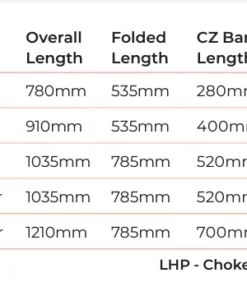
  • Overall length: 1210 mm extended; compact folded length for transport
  • Weight: approximately 4.10 kg unscoped
  • Air capacity: 285–300 cc at 300 bar maximum fill
  • Plenum: enlarged high-power volume (around 120 cc on extra-high-power Pro)
  • Regulator: Huma-Air, factory-fitted for stable pressure
  • Energy guide: approximately 70 ft/lbs (.22) / 88 ft/lbs (.25), subject to pellet/slug and local FAC limits
  • Magazine capacity: typically 16 in .22 and 14 in .25 (model-dependent)
  • Fill hardware: probe or quick-connect style inlet with forward pressure gauge

Because the regulator is isolated from raw tank pressure, velocity scatter is reduced across a string. Subsequently, holdover remains predictable at distance when quality slugs or heavy pellets are chosen.

Ergonomics That Adapt to Every Shooter

A fully adjustable foldable PRS stock is fitted, after which length of pull, cheek height, and butt-pad position can be set without tools in many cases. Therefore a stable cheek weld is achieved by left- and right-handed users alike. Likewise, an ambidextrous FAB Defense AR-style grip is installed so that control is shared across shooting styles.

A reversible side-lever action is located near the trigger, hence cocking effort can be assigned to either side. In the same way, an AR15-style safety is changeable left or right. Additionally, an anti-double-feed system is incorporated, whereby two projectiles are prevented from entering the breech together.

Accessory Interface and Field Readiness

Mounting flexibility is prioritized so that optics, bipods, and lights can be added without custom gunsmithing.

  • 20 MOA Picatinny top rail for long-range optics and elevation reserve
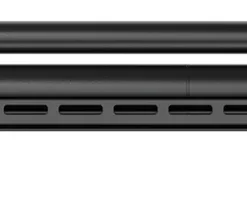
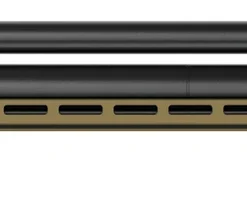
  • Arca rail plus extensive M-LOK / KeyMod slots on the aluminium handguard
  • QD sling points for secure carry
  • 1/2″ UNF muzzle thread for a moderator or muzzle device
  • Adjustable two-stage match trigger for a crisp, predictable break
  • Foldable stock lock-up designed to remain solid in the field

Consequently, a bipod can be attached on Arca or M-LOK, while a high-magnification scope can be zeroed with remaining elevation for distant targets. Meanwhile, a moderator can be threaded on when report must be reduced around livestock or neighbours, subject to local law.

Practical Use: Hunting, Pest Control, and Long-Range Practice

Heavy slugs are driven efficiently because extra barrel length and plenum volume are specified for high-power work. As a result, ethical energy on medium quarry can be maintained at ranges where standard sub-12 platforms fall short—provided local hunting law and FAC conditions are observed. Similarly, steel and paper at 80–100+ metres can be engaged once a suitable optic and dope card are established.

Field portability is improved after the stock is folded, even though the extra-long barrel remains the defining dimension of this configuration. Therefore vehicle and hide work remain practical compared with many full-length FAC rifles of similar power. In addition, a supplied hard case is typically included with Pro packages, so the rifle and magazines can be protected in transit.

Maintenance is kept straightforward: the fill port is accessed at the cylinder nose, o-rings are serviceable, and the Huma regulator is a proven aftermarket-supported unit. Nevertheless, air must be drained before regulator pressure is lowered, and all work should be performed in line with the manufacturer manual.

Inclusive design is evident throughout. Reversible controls, a fully adjustable stock, and a neutral tactical layout are provided so that the platform can be shared among family members, club mates, and mixed-handed teams without a second dedicated rifle being required.

Why This Platform Converts Enthusiasts

Build quality from AirMaks Arms (Czech production, CZ barrel) is widely regarded as robust for the price tier. Moreover, the Pro furniture—PRS fold, FAB grip, Arca handguard, and match trigger—elevates the rifle beyond a basic tube-and-stock PCP. Combined with extra-high-power internals, a serious slug and FAC tool is offered rather than a simply lengthened sub-12 gun.

Responsible ownership remains essential. Local licensing, FAC limits, safe backstops, and correct ammunition selection must be respected before any high-power session is begun. When those conditions are met, consistent regulated power, a long accurate barrel, and a fully adaptable chassis are placed in the hands of the shooter.

The AirMaks Arms Katran Pro Long Extra High Power is positioned for customers who need extra barrel, extra plenum, and extra energy without abandoning magazine-fed convenience or modern accessory rails. Precision is supported, power is regulated, and fit is adjustable—so that every session can be started with a platform that is ready for the next shot.

Calibres, FAC, Power and Accessories

A carefully specified power envelope is provided by the AirMaks Arms Katran Pro Long Extra High Power, after which calibre choice, FAC status, and accessory fitment can be matched to hunting, slug work, or long-range practice. Consequently, the rifle is presented as a modular FAC platform rather than a fixed sub-12 plinker. Furthermore, inclusive controls and rails are retained so that left- and right-handed shooters can share one chassis.

Calibres Offered on the Extra High Power Platform

Three primary bore sizes are associated with Katran Pro high-power and extra-high-power layouts, although official XHP listings most often emphasise .22 and .25. Meanwhile, .30 is catalogued on selected Pro extra-high-power pages where a heavier projectile is required.

  • .22 (5.5 mm) is favoured when a flatter trajectory and a higher magazine count are preferred, after which slugs or heavy pellets can still be driven to FAC energy.
  • .25 (6.35 mm) is specified when extra sectional density and impact are needed on medium quarry, therefore a balance between magazine capacity and terminal effect is achieved.
  • .30 (7.62 mm) is listed on some extra-high-power Pro configurations when maximum payload is prioritised, after which shot count and magazine capacity are typically reduced.

Magazine capacity is calibre-dependent. Typically, sixteen rounds are carried in .22 and fourteen in .25, while larger bores use fewer chambers. In addition, an anti-double-feed mechanism is fitted so that two projectiles are prevented from entering the breech together. Because an unchoked extra-high-power barrel is used, slugs are supported without a tight choke restricting the base, whereas a choked pellet barrel remains the usual choice on lower-power Katran Pro variants.

A 700 mm CZ barrel is employed on the extra-high-power long layout, hence dwell time is increased for heavy projectiles. Subsequently, grouping potential at distance is improved when quality slugs are seated consistently and a stable rest is used.

FAC Status, Power Output and Legal Context

High-power output is not offered as a UK sub-12 product. Instead, FAC (Firearms Certificate) conditions apply in the United Kingdom wherever energy exceeds 12 ft/lbs, and equivalent licensing is required in other jurisdictions. Therefore, purchase, storage, and use of the AirMaks Arms Katran Pro Long Extra High Power must be completed only by certificate holders who remain inside local law.

Approximate factory energy figures are published as about 70 ft/lbs in .22 and about 88 ft/lbs in .25 on the extra-high-power tune. Moreover, actual velocity and energy remain dependent on projectile weight, regulator setting, fill pressure, and temperature. Consequently, a chronograph session is recommended after any change of slug or pellet.

A Huma-Air regulator is factory-fitted, after which working pressure is isolated from raw cylinder pressure. Meanwhile, a large high-power plenum—around 120 cc on extra-high-power Pro configurations—is used so that the valve is supplied with a stable volume of air. In addition, an external velocity adjustment is provided, whereby power can be trimmed without the action being dismantled. Fill pressure is specified at up to 300 bar into a 285–300 cc cylinder, after which useful hunting strings are supported even at FAC energy.

Because extra-high-power models are intended for slugs and heavy pellets, ethical hunting ranges must still be limited by accuracy, not by advertised foot-pounds alone. Likewise, a safe backstop and correct ammunition must be confirmed before any live session is begun. Inclusive club use is possible only where every participant is licensed and supervised according to range rules.

Power Delivery, Consistency and Practical Tuning

Shot-to-shot consistency is prioritised through regulation rather than raw tank dump. Therefore extreme spreads can be kept modest when the rifle is filled correctly and the regulator is left within its intended window. Subsequently, holdover cards remain usable across a magazine once a favoured slug is selected.

External hammer-spring or velocity adjustment is accessible without a full strip, hence a slightly softer tune can be selected for quieter practice or a hotter tune for maximum energy, subject to FAC limits. Nevertheless, air must be drained before regulator pressure is lowered, and all internal work should follow the manufacturer manual.

Unchoked extra-high-power barrels are optimised for slugs; pellet-only users may prefer a different Katran Pro length or a choked tube if available. In contrast, hunters who already work with JSB Knock Out, H&N, NSA, or similar slugs will find the long extra-high-power combination aligned with that ammunition class.

Accessory Interface and Recommended Fitment

A conversion-ready rail layout is built into the Pro furniture so that optics, support, and suppression can be added without custom machining.

  • 20 MOA Picatinny top rail is fitted so that long-range scopes retain elevation at distance.
  • Arca rail plus extensive M-LOK / KeyMod slots are machined into the aluminium handguard, after which bipods, bags, lights, and lasers can be mounted.
  • QD sling sockets are provided for secure carry in the field.
  • 1/2″ UNF muzzle thread is cut for a moderator or muzzle brake suitable for high-power report control.
  • Ambidextrous FAB Defense grip and reversible side lever / AR-style safety allow shared use.
  • Fully adjustable foldable PRS stock accepts changes of length of pull, cheek height, and butt-pad position.
  • Two-stage adjustable match trigger can be set for a crisp second-stage break.
  • Hard case, fill probe, and magazine are commonly supplied with Pro packages.

A high-magnification first-focal-plane scope with generous elevation is typically chosen for extra-high-power work, after which a 20 MOA rail reduces the need for extreme turret travel. Likewise, an Arca bipod or bag rider is recommended when prone or bench groups are required. Furthermore, a large-volume moderator rated for FAC PCP use can be threaded on where local law permits, although extra-high-power report will never match a sub-12 shrouded rifle.

Magazine pouches, extra magazines, and a quality fill whip complete a field kit. Because the platform is modular, accessories already owned for other AR-style or Arca rifles can often be reused, which reduces the cost of stepping into the AirMaks Arms Katran Pro Long Extra High Power.

When calibre, FAC paperwork, power setting, and accessories are aligned, a regulated long-barrel slug rifle is placed in service—ready for ethical hunting and measured long-range practice by licensed shooters of every handedness.


Daystate, Delta Wolf, Alpha Wolf and Premium PCP Air Rifle Accessories

For shooters researching premium PCP platforms, daystate blackwolf, daystate redwolf, delta wolf, huntsman daystate, and daystate alpha wolf frequently appear among the most searched Daystate-related terms. Whether someone searches for wolf delta, day state, daystate delta wolf, blackwolf, deltaw, daysta, or wants to understand the delta wolf meaning, these rifles are commonly associated with modern PCP engineering, electronic control systems, adjustable configurations, and high-end airgun performance.

People asking what is a delta wolf are generally researching the electronic Daystate platform and how it differs from conventional PCP rifles. Related searches often include electronic wolves, firing cycle, lock time, lock timing, short cocking, cocking ball, index pin, and pin magazine. Searches may also focus on configuration-specific components such as an alpha wolf barrel, stock walnut, safari stock, dima stock, stock replacement, rimfire stocks, or a rifle butt pad.

Daystate Red Wolf, Alpha Wolf and Wolverine Searches

The daystate redwolf family remains closely connected with searches for daystate redwolf price, red alpha wolf, alpha red wolf, and the newer daystate blackwolf platform. Some shoppers may also compare these rifles with the daystate wolverine sapphire, wolverine gun, wolveriner, wolf gun, wolfpack armory wolverine, or even search unusual phrases such as can wolverine go on planes while researching transport rules.

Accessories frequently searched alongside these platforms include a rubber butt, rubber butt pad, butt pad rifle, bradley cheek riser, gecko grips, picatinny bag rider, and buddy bottle cover. Cosmetic or clothing-related search phrases such as red bodywarmer and black snood may also appear alongside broader brand searches.

Magazine-related searches include 177 magazine, mag 177, and 25 magazine, while ammunition research can include 177 pellets types, 5.0 mm pellets, and slug pellet. Because pellet suitability depends on the rifle, barrel, legal power level, and intended range use, compatible ammunition should always be selected according to the manufacturer’s specifications.

PCP Air Systems, Moderators and Thread Accessories

Many enthusiasts researching Daystate rifles also search for air rifle compressed air, compressed air rifle, what are pcp air rifles, and what is a pre charged pneumatic air rifle. These searches relate to the fundamental operating principle of PCP systems, in which stored compressed air is used to power each shot.

Common accessory searches include air gun pc, air gun suppressor, air gun suppressors, airgun moderator, air rifle moderator, 0db, 0db moderator, and 0 db moderator. Buyers may also encounter searches for a hogan decimeater silencer, silencer thread adapter, thread protector rifle, and muzzle thread protector when comparing muzzle accessories and compatible threaded components. Local regulations should always be checked before purchasing or fitting sound-moderating equipment.

Maintenance-related searches often include pcp o ring kit, while tuning-oriented users may look for an ats tuner. Search terms such as unfend can also appear in broad airgun keyword datasets, even when the intended product or meaning is unclear.

M-LOK, Picatinny and Rifle Sling Accessories

Accessory compatibility is another major area of interest. Common searches include mlok to picatinny rail adapter, best m-lok to picatinny rail adapter, m-lok to picatinny adapter, and picatinny m lok adapter. These adapters are often researched by users who want to mount compatible optics, rests, bipods, bags, or other permitted accessories on an appropriate rail system.

Sling-related searches include riffle sling, rigle sling, how to put a gun sling on a rifle, how to put a rifle sling on, how to install a rifle sling, how to put sling on rifle, installing a rifle sling, and attaching a sling to a rifle. Because attachment arrangements differ between stocks, rails, swivels, and chassis systems, the correct mounting points should always be confirmed from the manufacturer’s documentation.

Other general mechanical or unrelated search phrases found within broader keyword datasets include how to put extinguisher call back together, weatherby vanguard trigger adjustment, and 3.55kg in lbs. While these terms may appear in search data, they are not necessarily specific to Daystate PCP rifles.

BRK, Brocock and XR Air Rifle Searches

Alongside Daystate products, many buyers compare models produced under the Brocock and BRK families. Popular searches include brocock ltd, brocock sniper xr, brocock commander xr, pathfinder xr, brk ghost, brocock airguns, brocock commander, brk ghost air rifle, and brk sniper xr.

The brocock sniper xr is often researched by shooters comparing compact PCP platforms, while the brocock commander xr and brocock commander searches generally relate to larger tactical-style PCP configurations. Meanwhile, brk ghost and brk ghost air rifle searches reflect growing interest in BRK-branded PCP systems.

Those comparing local purchasing options may also search fx airgun dealer near me, even when their primary interest is Daystate or Brocock. This reflects the way many airgun shoppers compare several premium manufacturers before deciding which PCP platform, stock configuration, calibre, regulator setup, magazine system, and accessory package best matches their intended sporting use.

Additional Daystate and Airgun Search Terms

Broader searches surrounding these rifles may include model alpha gun, griffin gun, and general comparisons involving a wolf gun or other premium PCP platform. Buyers may also investigate different stock materials, rail systems, moderators, magazines, barrel options, butt pads, cheek risers, thread protectors, and compressed-air accessories before completing a build.

Whether someone begins with daystate redwolf, explores the daystate alpha wolf, compares a daystate delta wolf, investigates the daystate blackwolf, or considers a daystate wolverine sapphire, the most useful approach is to verify model compatibility, calibre, pressure specifications, local regulations, and manufacturer-supported accessories before purchasing replacement components or upgrades.

Practical Use Scenarios

Field performance is revealed only after licensing, zero, and ammunition have been confirmed. Consequently, the following scenarios describe how a long extra-high-power regulated PCP is employed by certificate holders—not how it is advertised on a spec sheet. Inclusive language is used throughout so that left- and right-handed hunters, club members, and mixed-ability teams can recognise themselves in the same chassis.

Dawn Hide: Medium Quarry at Ethical Distance

A hide is occupied before first light after a firearms certificate and land permission have been verified. The foldable PRS stock is left extended once the shooter is seated, while a 20 MOA-mounted optic is already zeroed for the chosen slug. Meanwhile, the cylinder has been filled to a documented pressure below 300 bar so that the regulator remains inside its working window.

A lane is glassed. When a lawful target presents at a previously paced distance, the reversible side lever is cycled and the anti-double-feed magazine presents a single projectile. A two-stage match trigger is pressed only after the animal’s vitals are steady and a safe backstop is confirmed. Extra-high-power energy is thereby applied within the range at which groups were proven on paper—not at the maximum distance the barrel can theoretically reach.

Follow-up shots remain available because a rotary magazine is fitted. Nevertheless, a second shot is taken only if the first strike was unclear. After the session, residual pressure is noted on the forward gauge and the rifle is unloaded before it is folded for the walk-out.

Field checks that are completed before the hide is entered

  • Certificate conditions and quarry species are confirmed
  • Zero and chronograph figures for the exact slug lot are recorded
  • Moderator thread and crown are inspected
  • Stock lock-up, safety position, and magazine seating are verified
  • Wind, light, and maximum ethical range are agreed with any companion

Inclusive practice is maintained when a second licensed shooter occupies the same hide later in the morning. Cheek height and length of pull are reset in seconds, after which the same zero can be used if the ammunition is unchanged.

Vehicle and Boundary Patrol: Pest Control on Mixed Ground

A farm boundary is patrolled from a vehicle after permission and lighting conditions have been assessed. The stock is folded so that the long barrel can be moved through a cab or load bed without the butt catching. Subsequently, the action is unfolded at a safe halt, a sling is clipped to the QD points, and a short approach is made on foot.

Rats, rabbits, or similar lawful pests are engaged only where local rules allow FAC air rifles and a backstop exists. Because extra-high-power output exceeds typical sub-12 pest rifles, closer shots are still preferred when buildings, livestock, or public paths sit beyond the target. A large-volume moderator is often left fitted so that disturbance is reduced, although report will never match a shrouded low-power carbine.

Magazine changes are performed behind cover. An Arca or M-LOK bipod can be deployed on a gate rail or fence post when a longer wait is required. After each halt, the safety is returned to safe and the muzzle is controlled while the stock is folded again for the next drive.

Weather shifts are expected. Light rain is managed with a scoped rifle cover; freezing air is allowed to equalise before a first shot is taken, because regulated velocity can drift with temperature. A small notebook of fill pressure versus morning temperature is kept so that the next patrol starts with realistic shot-count expectations.

Club Range: Slug Development and Long-Range Confirmation

A measured range is booked so that extra-high-power slugs can be tested without hunting pressure. Flags are read, a chronograph is placed, and a target frame is set at 50 metres first. Ten-shot strings are fired from a bag or Arca bipod after the two-stage trigger has been set to a familiar break.

Extreme spread is logged. If the regulator and 120 cc-class plenum are working as intended, velocity scatter remains modest across a magazine. Group size is then examined; flyers are attributed to seating, crown condition, or shooter input before power is blamed. Subsequently, the same load is moved to 80 and 100 metres, where the 20 MOA rail preserves elevation that a flat rail would consume.

Inclusive coaching is offered to a newer certificate holder on the same afternoon. The side lever and safety are swapped to the opposite side, the cheek piece is raised, and dry cycles are completed on an empty chamber. Live fire resumes only after range officer rules are restated. Shared bipods and rear bags fit the common Arca and M-LOK geometry, so extra furniture is not required for a second shooter.

Range sequence that keeps data honest

  • Fill pressure and ambient temperature are written down
  • One projectile lot is used for the entire card
  • Chronograph and target are photographed together
  • Turret settings for each distance are copied to a dope card
  • The barrel is allowed to cool between heated strings

A softer external velocity setting can be selected for a quieter adjacent-range courtesy string, after which the hunting tune is restored and confirmed again on the chronograph. Air is drained before any regulator-pressure change is attempted.

Woodland Stalk: Short Windows and Awkward Positions

A woodland edge is walked slowly after wind direction has been judged. The long barrel is a handicap in dense brush, so rides, ridesides, and high seats are favoured over crawling through blackthorn. When a high seat is climbed, the sling and QD points keep both hands free; the folded stock is opened only after the seat is secure.

Kneeling and sitting shots are more common than textbook prone. The adjustable butt pad and cheek piece are used to keep the optic aligned without a strained neck. Extra mass from the 700 mm tube and a moderator is accepted because stability at the moment of release matters more than a lightning snap shot.

Quarry may appear inside 30 metres. Extra-high-power energy is still excessive if the backstop is poor; the shot is declined when a farm building or footpath sits behind the animal. Ethical refusal is treated as a successful stalk. When the shot is taken, the magazine is left in until the animal is approached, then the action is made safe before any carcass work begins.

Companions of different stature use the same rifle on a shared permission. Inclusive fit is completed at the truck: length of pull is shortened for one hunter and lengthened for the next. The optic zero is left untouched if both shooters use the same slug.

Evening Lamp and Permission Work

Where lamp work is lawful and specified on the certificate, a lamp or thermal add-on can be mounted on M-LOK or Picatinny as local rules allow. Beam discipline is treated as muzzle discipline. Extra-high-power slugs are not used toward skylines, water, or unseen ground.

A vehicle-based lamp session follows the same fold-and-deploy rhythm as daylight patrol. Batteries, spare magazines, and a fill gauge reading are checked before departure because a regulator that falls off the plateau mid-session ends the night. Inclusive teams assign spotting and shooting roles so that fatigue is shared and every shot remains supervised.

Travel, Storage and the Day After

A padded hard case is used between home cabinet and permission. The long optic will overhang a folded butt, so the case interior is arranged to support the scope rather than load the stock hinge. After a wet outing, metal is dried, the thread is checked, and the magazine is emptied and dried separately.

Storage follows certificate rules. Partial cylinder pressure may be left according to the handbook; maximum long-term pressure is often avoided. Ammunition is stored apart from the rifle. Inclusive households keep the cabinet keys and the dope card in agreed places so that the next licensed user inherits the same data.

Maintenance is scheduled by shot count rather than by calendar alone. Slug residue can increase fouling compared with low-power pellet use, therefore a cleaning interval is shortened after a heavy slug weekend. The crown and 1/2″ UNF thread are protected whenever a rod is introduced.

Scenario Limits That Must Not Be Crossed

High energy does not create extra range by itself. Groups that open beyond a chosen distance end that distance as a hunting limit, regardless of advertised foot-pounds. Cross-wind on slugs is respected; a missed first shot is followed only when the animal remains in a safe lane.

Public paths, livestock, and neighbouring roofs cancel shots that would otherwise be taken. A moderator reduces noise; it does not make an FAC rifle suitable for suburban gardens. Club etiquette still applies when extra-high-power report rolls down a shared firing point.

When these scenarios are followed, the long extra-high-power platform is used as a regulated, magazine-fed field rifle: folded for vehicles, extended for hides, shared through ambidextrous controls, and restrained by ethics rather than by marketing. Consistency is borrowed from the regulator and plenum; confidence is earned only after paper, chronograph, and permission have all been satisfied.

Club Range: Slug Development and Long-Range Confirmation

A measured range is booked so that extra-high-power slugs can be tested without hunting pressure. Flags are read, a chronograph is placed, and a target frame is set at 50 metres first. Ten-shot strings are fired from a bag or Arca bipod after the two-stage trigger has been set to a familiar break.

Extreme spread is logged. If the regulator and 120 cc-class plenum are working as intended, velocity scatter remains modest across a magazine. Group size is then examined; flyers are attributed to seating, crown condition, or shooter input before power is blamed. Subsequently, the same load is moved to 80 and 100 metres, where the 20 MOA rail preserves elevation that a flat rail would consume.

Inclusive coaching is offered to a newer certificate holder on the same afternoon. The side lever and safety are swapped to the opposite side, the cheek piece is raised, and dry cycles are completed on an empty chamber. Live fire resumes only after range officer rules are restated. Shared bipods and rear bags fit the common Arca and M-LOK geometry, so extra furniture is not required for a second shooter.

Range sequence that keeps data honest

  • Fill pressure and ambient temperature are written down
  • One projectile lot is used for the entire card
  • Chronograph and target are photographed together
  • Turret settings for each distance are copied to a dope card
  • The barrel is allowed to cool between heated strings

A softer external velocity setting can be selected for a quieter adjacent-range courtesy string, after which the hunting tune is restored and confirmed again on the chronograph. Air is drained before any regulator-pressure change is attempted.

Woodland Stalk: Short Windows and Awkward Positions

A woodland edge is walked slowly after wind direction has been judged. The long barrel is a handicap in dense brush, so rides, ridesides, and high seats are favoured over crawling through blackthorn. When a high seat is climbed, the sling and QD points keep both hands free; the folded stock is opened only after the seat is secure.

Kneeling and sitting shots are more common than textbook prone. The adjustable butt pad and cheek piece are used to keep the optic aligned without a strained neck. Extra mass from the 700 mm tube and a moderator is accepted because stability at the moment of release matters more than a lightning snap shot.

Quarry may appear inside 30 metres. Extra-high-power energy is still excessive if the backstop is poor; the shot is declined when a farm building or footpath sits behind the animal. Ethical refusal is treated as a successful stalk. When the shot is taken, the magazine is left in until the animal is approached, then the action is made safe before any carcass work begins.

Companions of different stature use the same rifle on a shared permission. Inclusive fit is completed at the truck: length of pull is shortened for one hunter and lengthened for the next. The optic zero is left untouched if both shooters use the same slug.

Evening Lamp and Permission Work

Where lamp work is lawful and specified on the certificate, a lamp or thermal add-on can be mounted on M-LOK or Picatinny as local rules allow. Beam discipline is treated as muzzle discipline. Extra-high-power slugs are not used toward skylines, water, or unseen ground.

A vehicle-based lamp session follows the same fold-and-deploy rhythm as daylight patrol. Batteries, spare magazines, and a fill gauge reading are checked before departure because a regulator that falls off the plateau mid-session ends the night. Inclusive teams assign spotting and shooting roles so that fatigue is shared and every shot remains supervised.

Frequently Asked Questions

General Setup, Licensing and Intended Use

Is a firearms certificate required before this extra-high-power rifle can be owned?
A firearms certificate is required in the United Kingdom whenever muzzle energy is allowed to exceed 12 ft/lbs. Equivalent licensing is demanded in other countries where high-power pre-charged rifles are restricted. Therefore, purchase, storage, and transport must be completed only after the correct certificate and conditions have been issued. Local hunting and range rules remain binding even after a certificate is held.

Which roles are best served by the long extra-high-power configuration?
Ethical hunting of appropriate quarry, slug work, and measured long-range practice are served when a long barrel, enlarged plenum, and FAC energy are combined. Meanwhile, short-range plinking can still be enjoyed after power is reduced with the external adjuster, provided certificate limits are respected. Inclusive club use is possible when every participant is licensed and a safe backstop is confirmed.

Is a compact or standard-length model interchangeable with this layout?
A shorter barrel and smaller plenum are fitted on compact and standard Pro variants. Consequently, extra-high-power energy and slug-friendly dwell time are not duplicated on those lengths. A different chassis can still share magazines, fill fittings, and some furniture parts, yet the 700 mm extra-high-power tube remains unique to this configuration.

Can the rifle be shared by left- and right-handed shooters?
An ambidextrous grip, a reversible side lever, and a changeable AR-style safety are installed. In addition, a fully adjustable foldable PRS stock is provided so that length of pull, cheek height, and butt-pad position can be set for each user. Therefore a second dedicated action is not required for mixed-handed households or clubs..25 caliber brocock sniper xr

Calibres, Magazines and Ammunition

Which calibres are offered on extra-high-power Pro rifles?
.22 and .25 are listed on official extra-high-power pages, while .30 is catalogued on selected Pro high-power layouts. A heavier projectile is thereby made available when terminal effect is prioritised. Magazine capacity is reduced as bore size increases, so a balance between payload and follow-up shots must be chosen.

Are slugs or pellets recommended in the unchoked extra-high-power barrel?
An unchoked high-power tube is specified so that slugs can be stabilised without a tight choke pinching the base. Heavy pellets can still be used, yet grouping is typically optimised with quality slugs that match the twist and energy. A choked pellet barrel remains the usual choice on lower-power siblings rather than on this extra-high-power length.

How many rounds are carried in each magazine?
Sixteen chambers are typically provided in .22 and fourteen in .25, while larger bores use fewer pockets. An anti-double-feed system is fitted so that two projectiles are prevented from entering the breech together. Spare magazines can be carried on the chassis or in a pouch after the action is zeroed.

Must ammunition be matched to the regulator setting?
Velocity and energy change with projectile weight, skirt fit, and temperature. Therefore a chronograph string should be recorded after any change of slug or pellet. Holdover cards remain reliable only when the same lot of ammunition is used at a stable regulator pressure.

Stock

Cerakote Oliver, Black

caliber

.22, .25

Reviews

There are no reviews yet.

Be the first to review “AirMaks Arms Katran Pro Long Extra High Power”

Related Products

FAQ

  • Spring-Piston (Break-Barrel or Underlever): Cock by compressing a spring. Reliable, no external air source needed, but can have more recoil (“spring twang”) and require technique to shoot accurately.
  • Pre-Charged Pneumatic (PCP): Filled from a scuba tank, compressor, or pump. High power, low recoil, multiple shots per fill. Popular for precision and hunting.
  • CO₂: Powered by disposable cartridges. Good for pistols and semi-auto/repeaters, but performance drops in cold weather.
  • Multi-Pump Pneumatic: Hand-pumped to build pressure. Versatile but requires effort.
  • Gas Ram (Nitro Piston): Uses compressed gas instead of a metal spring. Smoother than traditional springers.

Calibers: Most common are .177 (4.5mm) for speed/flat trajectory and general use, and .22 (5.5mm) for better hunting knockdown power. Larger “big bore” (.25, .30, .357+) exist for hunting bigger game where legal.

Yes, many modern PCP and springers deliver enough energy for small game (rabbits, squirrels, birds) and even larger game in some areas. Muzzle energy (in ft-lbs or joules) matters more than velocity alone. Always match caliber, pellet weight, and energy to the game and check local hunting regs.

Treat every airgun as if it is loaded.

  • Always point the muzzle in a safe direction.
  • Keep your finger off the trigger until ready to shoot.
  • Know your target and what is beyond it (pellets can ricochet or travel far).
  • Wear eye protection.
  • Store unloaded, out of reach of children/untrained users, and ideally locked.
  • Never shoot at hard surfaces or in areas where pellets could escape your property.

Follow these rules strictly—airguns cause real injuries.

Laws differ dramatically by country, state/province, and even city. Always verify current local laws before buying, owning, transporting, or using an airgun. Age restrictions (often 18+) are common.

Examples (summaries only; check official sources):

  • UK: Air rifles ≤12 ft-lbs (16.3 joules) and pistols ≤6 ft-lbs generally do not require a license (FAC needed above that).
  • USA: Varies by state. Some treat powerful airguns as firearms; others do not. Many states now allow big-game hunting with air rifles.
  • Canada: Some airguns classified as firearms if they exceed velocity/energy thresholds.
  • Australia: Often treated as firearms; licensing/registration required in most states.
  • EU/France/Belgium/etc.: Varies; many allow low-power (<20J) guns freely to adults, with higher power needing permits. Germany has strict ~7.5J limits in some contexts.
  • Other countries: Some have no restrictions below certain energies; others ban or heavily regulate them.

Resources: Wikipedia “Air gun laws”, airgun forums, or official government sites. For travel, research transit laws carefully.

Consider:

  • Purpose: Plinking/backyard → lower power springer or CO₂. Hunting/precision → PCP.
  • Budget: Entry-level springers are affordable; PCPs need a fill system (extra cost).
  • .177 vs .22: .177 easier for beginners/targets; .22 better for hunting.
  • Power source: Convenience vs performance.
  • Test pellets in your gun—accuracy varies.

Buy from reputable dealers and consider warranties.

  • Clean barrel periodically (especially if accuracy drops) with patches and appropriate tools/solvents. Avoid over-oiling.
  • Lubricate moving parts and seals with airgun-specific oil (not general gun oil). Springers need piston seal oil occasionally.
  • Check screws, seals for leaks (PCP), and safety mechanisms regularly.
  • Store in a cool, dry place, ideally in a case. Avoid leaving cocked for long periods.

Follow your model’s manual. Basic care extends life significantly.

International shipping may be available for select products. Customers are responsible for understanding and complying with their local import laws and regulations before ordering.

Yes. Customers are required to confirm their order number through WhatsApp or Live Chat before orders are processed and shipped.

If local laws prevent shipment to your area, your order may be canceled and refunded according to our store policy.

Processing typically takes 1–3 business days after payment confirmation. Delivery times vary depending on destination, carrier, and product availability.


  • Wrong pellets for your barrel/caliber.
  • “Death grip” or poor shooting form (especially with springers—let the gun recoil naturally).
  • Loose scopes or mounts.
  • Ignoring safety or local laws.
  • Over-oiling or shooting with obstructions.


Pellets are the most common projectile (lead or lead-free). Match them to your gun, caliber, and purpose—test several brands as accuracy varies by barrel.

  • Domed (Round-Head): Best all-rounder. Excellent accuracy, ballistic coefficient, and energy retention. Ideal for target shooting, field target, and general hunting (e.g., JSB Exact, Air Arms Diabolo Field, H&N Field Target Trophy).
  • Wadcutter (Flat-Head): Clean holes in paper. Best for close-range target/plinking (under 20-25 yards).
  • Hollow Point: Expands on impact for better energy dump. Good for small game hunting (e.g., Predator Polymag, H&N Terminator).
  • Pointed: More penetration, but often less accurate than domed.
  • Slugs: Heavier, more aerodynamic for high-power PCPs at longer ranges (better for big game where legal).

Tips: Heavier pellets in .22/.25 for hunting (better momentum). Lighter in .177 for speed/flat trajectory. Always check head size fit (e.g., 4.51-4.53mm variants).

Muzzle energy (ft-lbs or joules) matters more than velocity. Ethical shots require precise placement (head/heart-lung) within effective range.

Rough Guidelines (adjust for distance, pellet, and local laws):

  • Small game (squirrels, rabbits, birds): 9-20+ FPE, .177/.22.
  • Medium (raccoons, etc.): 25+ FPE, .22/.25 recommended.
  • Larger game: 40-100+ FPE in .30+ calibers (up to big bore for deer/hogs where permitted).

PCPs dominate serious hunting due to power and shot count. Springers/gas rams work well for small game but require skill. Always prioritize clean kills and check seasons/species rules.

  • Barrel Cleaning: Use a pull-through kit or rod with patches. Avoid brushes that could damage rifling. Clean when accuracy drops or after 500-1000 shots.
  • Lubrication: Airgun-specific silicone oil for seals/O-rings (sparingly—excess causes dieseling in springers). Springers may need piston lube periodically.
  • PCP Specific: Check for leaks (soapy water test), monitor regulator/hammer settings, and keep fill systems clean. Don’t exceed rated pressure.
  • General: Tighten stock screws, inspect for wear, store properly. Chronograph shots to track consistency.

Common Issues:

  • Inconsistent velocity → dirty barrel, bad pellets, or seal problems.
  • Spring “twang” → tuning or proper hold.
  • Low power → worn seals or under/over-pumping.

Toggle Content

  • Scopes: Airgun-rated (hold zero under recoil). 3-9x or 4-12x common.
  • Fill Systems: Hand pumps, compressors, or tanks for PCPs.
  • Safety Gear: Eye/ear protection, targets with backstops.
  • Noise: Airguns quieter than firearms, but moderators help further.

Budget Tip: Start with a quality springer (~$150-400) before investing in PCP setup.

Airgunning offers endless depth—from backyard plinking to precision competition and ethical hunting. Prioritize safety, legality, and practice. If you want specifics (e.g., recommendations for a country, budget, hunting small game, or a particular type like PCP vs springer), let me know for more targeted info! Shoot responsibly.

Tuning improves accuracy, reduces noise/recoil, or increases power (within legal limits).

  • Springers: Lighter springs, guides, seals, or custom tuning kits for smoother shot cycle. “V-Mach” or similar professional tunes popular.
  • PCPs: Regulator tuning, hammer spring adjustments, valve work for efficiency and shot count. Some add electronic systems.
  • Accessories: Suppressors (often unregulated on airguns), better triggers, stocks, and scopes.

Caution: Check laws—power increases may reclassify your gun. DIY only if experienced; professional tuners recommended.

You must be at least 18 years old to purchase any airgun or related accessories from our store. By placing an order, you confirm that you meet the legal age requirements in your state or country.

Yes. Orders may require age verification before processing and shipping. In some cases, we may request a valid government-issued ID to confirm eligibility.