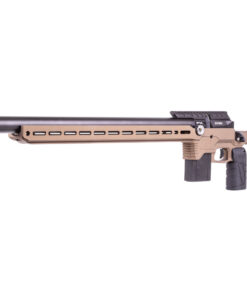
FX Royal 400 Synthetic – Refined PCP Performance in a Lightweight Sporting Rifle
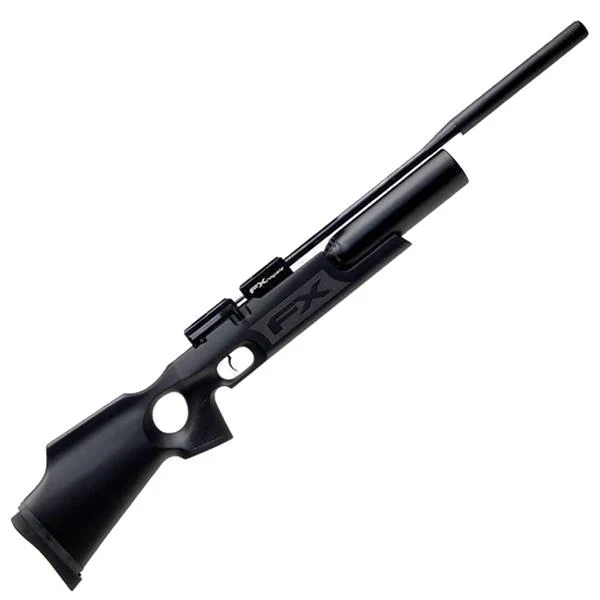
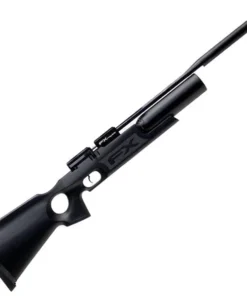
The FX Royal 400 Synthetic delivers the combination many serious airgun shooters look for: accuracy, practical handling, dependable pre-charged pneumatic performance, and a durable synthetic stock. Designed around the proven engineering principles associated with FX Airguns, this sporting rifle offers a balanced platform that can be appreciated during target sessions, recreational shooting, and other lawful airgun applications.
Rather than relying solely on appearance, the rifle has been created around functional shooting characteristics. A streamlined action is paired with an ergonomic stock, while the PCP powerplant provides the smooth shot cycle expected from a quality pneumatic rifle. Consequently, shooters can concentrate more effectively on trigger control, sight picture, and consistency.
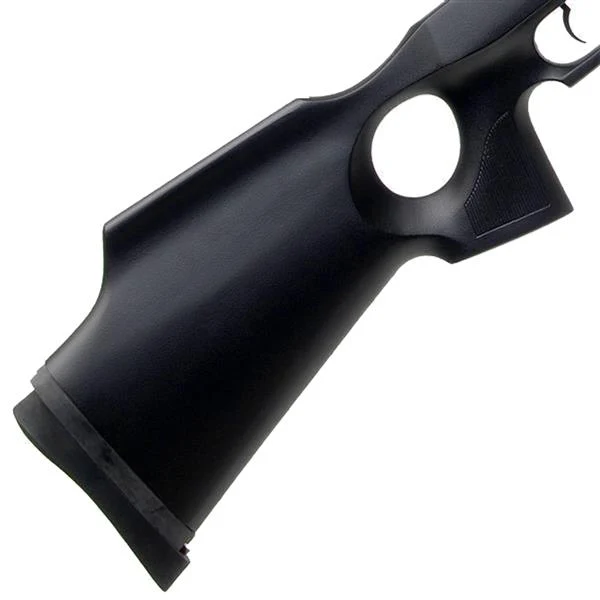
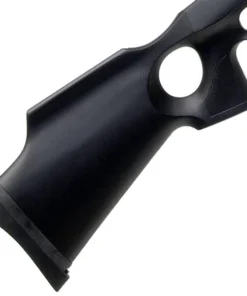
Additionally, the synthetic furniture makes the rifle especially practical for regular use. Compared with decorative timber stocks that may require greater care, synthetic construction is generally easier to maintain and well suited to shooters who value durability.
For anyone comparing traditional sporting PCP rifles, the FX Royal 400 Synthetic presents an appealing balance between refinement and everyday usability.
FX Royal 400 Synthetic Key Features
Several qualities help distinguish this rifle as a practical sporting platform.
- Durable synthetic stock designed for regular use
- PCP operating system for a smooth, low-recoil shooting experience
- Ergonomic sporting configuration for comfortable handling
- Precision-focused barrel system designed to support consistent shooting
- Generous air capacity for extended shooting sessions
- Magazine-fed configuration for convenient follow-up loading
- Adjustable shooting features depending on model specification
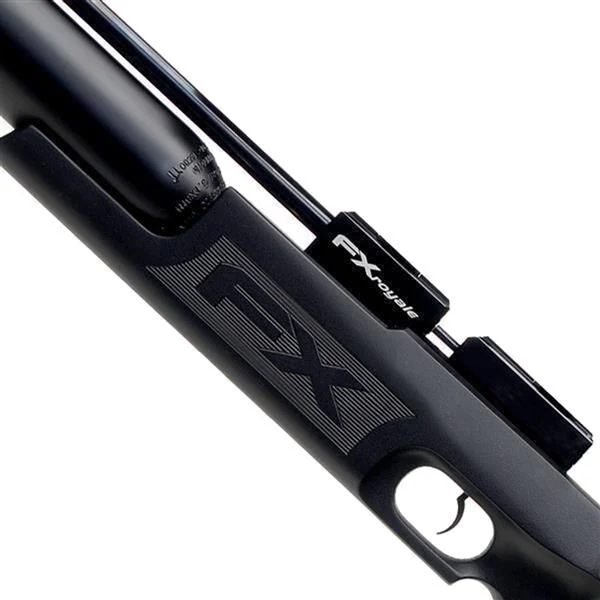
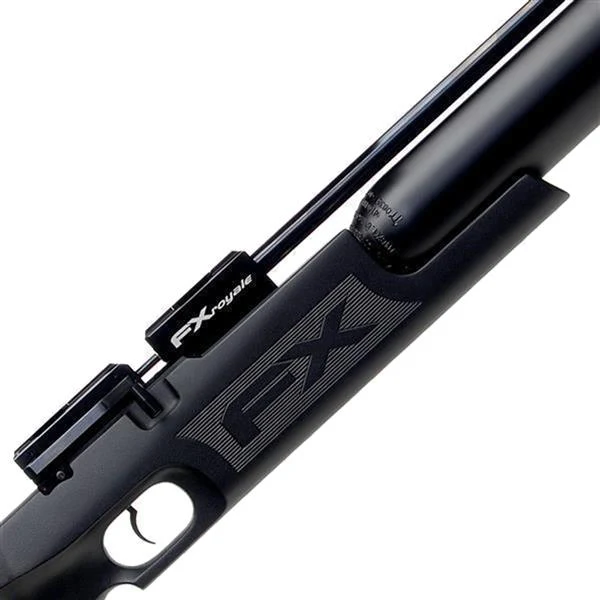
- Scope-ready design for compatible optical sights
- Balanced overall profile for supported and unsupported shooting
- Premium FX engineering throughout the action and operating system
Specifications, calibre options, power levels, magazine capacities, and accessories can vary according to market and configuration. Therefore, buyers should verify the exact specification of the individual rifle before purchasing.
Built Around the FX Shooting Experience
A refined shooting cycle is one of the strongest attractions of a quality PCP rifle. Because compressed air rather than a conventional spring mechanism provides the operating energy, movement during firing is reduced considerably.
As a result, the shooter is provided with a stable platform.
That stability becomes particularly useful when precision matters. Instead of compensating for substantial mechanical movement, the shooter can maintain concentration on breathing, trigger technique, follow-through, and consistent positioning.
Moreover, the design of the FX Royal 400 Synthetic retains a familiar sporting-rifle layout. Shooters who prefer a conventional shoulder-mounted configuration rather than an ultra-compact bullpup platform may find this arrangement particularly comfortable.
Smooth Handling and Natural Balance
Good accuracy begins before the trigger is pressed.
A rifle must first be positioned comfortably and consistently. For that reason, stock geometry, weight distribution, cheek placement, and grip position all influence the practical shooting experience.
With the synthetic-stock configuration, unnecessary decorative weight can be minimized while durability is enhanced. Consequently, the rifle remains suitable for longer shooting sessions without feeling excessively delicate.
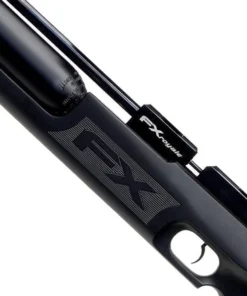
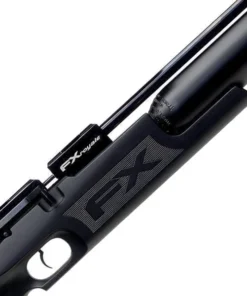
The fore-end also provides a practical support area when the rifle is rested or held conventionally. Meanwhile, the grip encourages controlled trigger-finger placement.
Combined together, these characteristics help create a predictable shooting position.
Durable Synthetic Stock for Everyday Use
While walnut stocks provide undeniable visual appeal, not every shooter wants to worry about scratches, moisture, fingerprints, or cosmetic wear.
The FX Royal 400 Synthetic takes a more utility-focused approach.
Its synthetic furniture is designed to withstand the demands of repeated handling more effectively while requiring relatively simple maintenance. Therefore, shooters who frequently transport their equipment or use it in changing environments may appreciate the added practicality.
Furthermore, synthetic construction provides a consistent feel regardless of minor environmental changes. The stock does not need the same cosmetic treatment typically associated with premium natural timber.
That makes the rifle particularly attractive to users who prioritize function over ornamentation.
Comfortable Ergonomics
Durability would mean little if comfort were sacrificed.
Fortunately, the stock profile maintains the familiar proportions expected from a sporting PCP rifle. A stable cheek position can be established, the pistol-grip area can be held naturally, and the rifle can be shouldered without unnecessary complexity.
Consequently, repeatable positioning becomes easier.
This consistency can be particularly beneficial during longer range sessions because a familiar mounting position helps reduce unnecessary movement between shots.
Precision-Oriented Barrel Performance
Every serious air rifle depends heavily on barrel quality.
The Royal platform has been associated with FX’s emphasis on precision barrel technology, allowing pellets to be guided consistently when an appropriate projectile and setup are used. Nevertheless, accuracy always depends on several factors, including ammunition selection, power configuration, environmental conditions, optics, shooter technique, and rifle condition.
Once a preferred pellet has been identified, impressive consistency can be achieved from a properly configured rifle.
Equally important, the PCP system produces little of the vibration normally associated with spring-powered platforms. Therefore, the sight picture can remain relatively stable throughout the firing cycle.
For target shooters, that predictable behaviour can make precise groups easier to reproduce.
Efficient Pre-Charged Pneumatic Operation
Compressed-air efficiency plays an important role in the appeal of the FX Royal 400 Synthetic.
Instead of cocking a powerful spring for every shot, the rifle stores compressed air in its onboard reservoir. Each firing cycle uses a controlled quantity of that stored air to propel the pellet.
Consequently, recoil is minimal and operation feels smooth.
A suitable charging system will, however, be required. Depending on the owner’s setup, the rifle may be filled using an appropriate high-pressure hand pump, diving cylinder, or compatible PCP compressor.
Safe filling procedures and the manufacturer’s specified pressure limits should always be followed.
Extended Shooting Convenience
Having a capable air reservoir becomes especially useful during recreational target sessions.
Frequent refilling can interrupt concentration. Therefore, an efficient PCP system gives the shooter more time behind the optic and less time dealing with equipment.
Actual shot count will naturally depend on calibre, power setting, fill pressure, rifle configuration, and the pressure range over which the rifle performs most consistently.
For this reason, buyers should avoid judging performance by a single universal shot-count figure.
Magazine-Fed Practicality
Convenience is another important aspect of the Royal design.
A compatible magazine allows several pellets to be prepared before shooting begins. After each shot, the action can be cycled and the next pellet presented for loading.
This system is especially convenient during range use because individual pellets do not have to be manually selected for every shot.
However, smooth operation should always take priority over speed.
The magazine should be loaded correctly, compatible pellets should be selected, and the action should never be forced if unusual resistance is encountered.
Excellent Platform for a Quality Scope
Precision performance becomes far more useful when it is paired with appropriate optics.
The FX Royal 400 Synthetic provides a capable foundation for a suitable air-rifle scope. Magnification should be chosen according to the intended shooting environment rather than simply selecting the highest magnification available.
For general-purpose use, moderate magnification can provide a wide field of view and comfortable target acquisition. Conversely, shooters concentrating primarily on paper targets may prefer greater magnification for detailed aiming.
Quality mounts are equally important.
Even an excellent optic can perform poorly if it is incorrectly mounted, unevenly tightened, or positioned without sufficient eye relief.
Therefore, careful installation and zeroing should be considered part of the complete rifle setup.
A Rifle Designed for Shooters Who Value Consistency
Perhaps the strongest quality of this platform is its balanced character.
Some PCP rifles are designed around extreme compactness. Others concentrate heavily on maximum adjustability or specialized competition use. By comparison, the Royal configuration maintains the familiar proportions of a conventional sporting rifle while incorporating sophisticated pneumatic engineering.
That combination makes it approachable.
Experienced shooters can appreciate its refined operation, while someone moving from a simpler airgun platform can quickly understand the traditional stock layout.
Furthermore, the synthetic version prioritizes practicality. Cosmetic concerns are reduced, routine care remains straightforward, and the rifle can be prepared as a dependable shooting setup with a suitable optic and accessories.
Why Choose the FX Royal 400 Synthetic?
Many rifles can produce acceptable groups under ideal conditions. A premium platform, however, should offer more than basic accuracy.
The FX Royal 400 Synthetic combines multiple desirable characteristics within one package.
Its PCP action provides smooth operation. Meanwhile, the stock delivers practical durability. The sporting layout remains familiar and comfortable, while the barrel system is engineered with precision shooting in mind.
Furthermore, magazine operation supports convenient shooting sessions. A substantial air reservoir can reduce interruptions, and scope compatibility enables the rifle to be configured around different shooting preferences.
Therefore, the platform can suit users who want a refined rifle without choosing an unnecessarily complicated design.
Practical Performance Without Excessive Complexity
Modern PCP rifles can sometimes feature an overwhelming number of external adjustments.
For some enthusiasts, that level of tuning is desirable. Others simply want a dependable rifle that can be properly set up, zeroed, maintained, and enjoyed.
The Royal series occupies an attractive position between those extremes.
Its engineering remains sophisticated, yet the shooting experience feels straightforward.
Fill the rifle correctly, select compatible ammunition, load the magazine, establish a safe shooting position, and focus on accuracy.
That simplicity has substantial value.
Maintenance and Long-Term Ownership
Proper maintenance helps protect both performance and reliability.
Before each shooting session, the rifle should be inspected for obvious damage or unusual air loss. Seals and filling components should remain clean, while dirt should be prevented from entering the charging system.
Likewise, only appropriate cleaning products should be used.
Excessive internal lubrication can be counterproductive, particularly within high-pressure pneumatic equipment. Consequently, servicing beyond ordinary user maintenance should generally follow manufacturer guidance or be handled by a competent airgun technician.
The synthetic stock itself requires comparatively little attention.
A simple wipe after handling is generally sufficient to keep its exterior presentable.
Who Is the FX Royal 400 Synthetic Best Suited To?
This rifle can appeal to several types of airgun enthusiasts.
A recreational shooter may appreciate its smooth operation and comfortable stock. Likewise, a target shooter may value the stable firing behaviour and precision-oriented barrel system.
Existing PCP owners might choose it because they prefer a more traditional sporting format, while newer PCP users may appreciate a platform that avoids unnecessary complexity.
Most importantly, the rifle should always be selected in a specification appropriate for the buyer’s intended lawful use and local regulations.
Final Thoughts on the FX Royal 400 Synthetic
Refinement, usability, and precision are successfully brought together in the FX Royal 400 Synthetic.
Its durable stock gives the platform an unmistakably practical character, while the PCP action provides the smooth firing behaviour for which premium pneumatic rifles are valued. Moreover, comfortable ergonomics, magazine functionality, scope compatibility, and precision-focused engineering create a versatile foundation for serious recreational or target shooting.
Instead of concentrating on cosmetic extravagance, this model emphasizes features that matter when the rifle is actually being used.
Consequently, shooters searching for a conventional sporting PCP with reliable handling and premium engineering have a compelling option to consider.
For those who value a lightweight synthetic configuration, consistent pneumatic performance, refined ergonomics, and the established engineering reputation associated with FX Airguns, the FX Royal 400 Synthetic remains a highly attractive addition to a well-equipped airgun collection.
Air Rifles, PCP Systems, Calibers, Target Shooting and Popular Models
The world of air arms, air guns, and precision shooting equipment covers everything from recreational target shooting to sporting applications. For newcomers asking what is an air gun, what is an air rifle, what is air rifle, what is a air rifle, what is a airgun, what is an airgun, or what are airguns, the basic principle is straightforward. An air gun uses compressed gas or air to propel a projectile rather than relying on the combustion system associated with conventional firearms.
Understanding how does an air gun work, how does air gun work, how do air guns work, how does an air rifle work, how does air rifle work, and how do air rifle work can help buyers distinguish between the different operating systems available. Depending on the design, power can be supplied by a spring piston, compressed air cylinder, CO2 cartridge, or another pneumatic mechanism.
PCP Air Rifles and Compressed-Air Systems
One of the most popular categories is the pre-charged pneumatic platform. Searches such as what is a pcp air rifle, what is a pcp airgun, what is pcp air rifle, what is a pcp air gun, what is a pcp rifle, what is pcp rifle, what are pcp air rifles, and what is a pre charged pneumatic air rifle all relate to the same fundamental technology. A PCP rifle stores compressed air inside a reservoir and releases a controlled quantity each time the rifle is fired.
For shoppers researching pcp gun meaning, pcp rifle meaning, or pcp air rifle meaning, PCP simply refers to a pre-charged pneumatic system. Air is normally added using a pcp hand pump, dive cylinder, or pcp air compressor. Consequently, an air compressed gun or air compressor rifle can deliver consistent performance without requiring the shooter to manually compress a spring before every shot.
Some searches also include pcp bb gun, although many PCP platforms are primarily designed around pellets rather than traditional BB ammunition. Understanding the intended ammunition is therefore important before selecting accessories, magazines, or loading equipment.
.177 Caliber, .22 Caliber and Pellet Selection
Caliber choice is one of the most frequently researched subjects among airgun buyers. The .177 caliber remains extremely popular for recreational shooting and precision target applications. Products described as a 177 air rifle, 177 bullet, or even 177 cal darts may appear during searches, although ammunition compatibility always needs to be checked against the manufacturer’s specifications.
Questions including 177 or 22, 177 cal vs 22, 177 caliber vs 22, .177 caliber vs .22, .177 pellet vs .22 pellet, and .22 vs .177 pellet generally focus on differences in projectile size, trajectory, energy, and intended use. A smaller .177 pellet is commonly chosen for paper targets and precision shooting, whereas larger calibers may be selected for applications where additional projectile mass is desired.
Understanding bb gun pellet sizes is equally important because BBs and pellets are not automatically interchangeable. Before purchasing ammunition, shooters should confirm the caliber and projectile type specified for their particular pellet rifle, pellet pistol, or bb gun.
Air Arms Rifles and Popular Models
Among established manufacturers, air arms products remain widely searched by enthusiasts interested in precision PCP and spring-powered platforms. Well-known searches include air arms s510, s510, air arms s410, aa s400, pro sport air arms, prosport air arms, tx 200, and tx200.
Variations such as air arm and airarm are also commonly entered by shoppers searching for the brand. Buyers looking specifically for regulated sporting configurations may encounter the air arms s510 ultimate sporter .177 sub 12, a phrase frequently associated with UK-oriented searches for the S510 platform.
Each Air Arms model has its own action, stock design, power configuration, caliber options, and intended shooting environment. Therefore, specifications should always be checked against the exact version being considered rather than assumed from another model in the same family.
FX Impact M3, FX Maverick and Modern PCP Platforms
Premium PCP research frequently includes the fx maverick and the fx impact m3. Buyers may also search for fx impact mk3, fx m3 airgun, fx m3, impact m3, or fx impact m3 air rifle while comparing generations and configurations.
More specific searches such as fx impact m3 .22cal air rifle. 600mm barrel focus on caliber and barrel-length combinations. Meanwhile, international shoppers may search fx impact m3 precio, fx impact m3 precio en usa, or fx impact m3 price when researching current market pricing.
Because FX platforms can be produced in multiple barrel lengths, calibers, power settings, and regional configurations, buyers should verify the exact specification offered in their country before ordering.
Break-Barrel Air Rifles
Another major category is the break barrel air rifle. Anyone asking what is a break barrel air rifle or what is a break barrel pellet gun is usually referring to a rifle in which the barrel is hinged downward to cock the internal powerplant and expose the breech for loading.
Break-barrel designs remain popular because they can provide a self-contained shooting system without an external compressor or air bottle. Models such as a gamo pellet gun are frequently encountered by buyers exploring this category.
Learning how to load pellet gun equipment properly is particularly important. Pellets should match the manufacturer’s recommended caliber and should be loaded in accordance with the owner’s manual while the rifle is pointed in a safe direction and handled under normal shooting-range safety procedures.
CO2, Pellet Pistols and Other Airgun Types
Not every airgun uses PCP or spring power. A co2 powered pellet rifle, for example, uses replaceable CO2 cartridges as its propellant source. CO2 systems can be found in rifles and handguns intended for recreational shooting, training, and target use.
People researching air pistol uses or general pellet gun uses will encounter equipment intended for target practice, recreational plinking, skills training, competition, and other lawful sporting activities. A pellet pistol can offer a compact platform, while rifles generally provide a longer sight radius and additional stability.
Search terms such as pelet guns are also common misspellings of pellet guns and can still represent useful search intent when website content is designed to answer frequently asked buyer questions naturally.
Target Shooting and Airgun Practice
One of the most established uses of airguns is target shooting with air rifles. Dedicated air guns for target shooting may emphasize accuracy, adjustable stocks, match triggers, regulated air delivery, and compatibility with precision optics.
Likewise, airgun target practice and airgun for target practice are common search topics among people looking for an accessible way to develop shooting fundamentals. Proper backstops, eye protection, safe handling practices, and suitable ranges should always be used.
The practical range of air rifle equipment varies considerably according to caliber, muzzle energy, projectile selection, environmental conditions, and the rifle itself. As a result, buyers should use manufacturer specifications and local range rules rather than assuming that every air rifle performs identically.
Hunting Air Rifles and Appropriate Use
Some shooters research air rifles for hunting, hunting air rifles, best air rifle for hunting, pellet gun for rabbits, or even the informal phrase rats gun when looking for equipment designed for lawful pest-control or hunting applications.
Suitability depends heavily on local law, caliber, projectile energy, quarry species, shot placement requirements, and humane hunting standards. Questions such as can a bb gun kill a fox should therefore not be treated simply as equipment-selection questions. Legal restrictions and animal-welfare requirements should be checked first, and low-powered BB guns are not appropriate substitutes for equipment legally and ethically suitable for a particular species.
Similarly, searches for air rifles for deer hunting and big game hunting with air rifle involve specialized legal and ballistic requirements. Large-bore systems such as a 72 caliber air rifle or products associated with bluegrass big bore illustrate how different big-bore pneumatic platforms can be from conventional small-caliber pellet rifles. Local hunting regulations must determine whether such equipment may legally be used.
Licensing and UK Airgun Regulations
Legal requirements differ considerably by jurisdiction. UK-oriented searches frequently include do you need a licence for air rifle, air rifle certificate uk, and 22 rifle uk license. However, the rules governing air rifles, conventional .22 firearms, certificates, age restrictions, possession, transportation, and power limits are not identical.
Consequently, buyers should confirm current legislation with the relevant licensing authority before purchasing or using any regulated equipment. Particular attention should also be paid to whether a rifle is configured below or above applicable power thresholds.
Sportsman, Gamo and Other Popular Searches
Beyond specialist PCP manufacturers, buyers may encounter products such as the sportsman 900 while comparing recreational air rifles. Searches for a gamo pellet gun are also common because Gamo offers numerous spring-powered and pneumatic models across different price points and configurations.
The broader search for best air guns can include everything from affordable recreational platforms to sophisticated regulated PCP rifles. Rather than treating one design as universally superior, buyers should compare caliber, intended application, weight, stock ergonomics, power source, shot capacity, charging equipment, availability of spare parts, and local legal requirements.
Airgun Safety, Home Use and Responsible Ownership
Searches for air guns for home defense do appear online, but an airgun should not automatically be assumed to be suitable for defensive use. Laws vary significantly, and airguns can cause serious injury. Secure storage, lawful ownership, training, safe handling, and avoidance of unnecessary confrontation remain essential.
Whether someone owns an air rifle, pellet rifle, bb gun, or PCP platform, the equipment should always be treated as capable of causing injury. A secure backstop should be used for recreational shooting, the muzzle should remain pointed in a safe direction, and manufacturer instructions should be followed carefully.
Ultimately, understanding the differences between PCP rifles, break-barrel systems, CO2 equipment, caliber choices, and individual models makes it easier to compare the extensive range of modern airguns. From Air Arms platforms to FX rifles and recreational pellet guns, careful specification checking, responsible handling, lawful use, and suitable ammunition selection remain central to getting the right equipment for the intended purpose.
Practical Use Scenarios
A well-designed pre-charged pneumatic rifle becomes most valuable when its qualities translate effectively into real shooting situations. Accuracy on paper is important, but practical handling, shot consistency, comfort, reliability, and ease of setup matter just as much when the rifle is used regularly.
This platform performs particularly well when the shooter needs a traditional sporting layout combined with a smooth firing cycle and a durable synthetic stock. Because the action is relatively refined and the stock is designed for practical use, it can adapt comfortably to several legitimate shooting environments.
Whether the goal involves paper targets, recreational range use, pellet testing, supported precision work, or carefully controlled field practice, the rifle offers a balanced shooting experience.
General Range Shooting
One of the most obvious practical uses is regular range shooting.
At a formal airgun range, consistency becomes especially important because the shooter may fire many shots during a single session. A rifle that feels stable, cycles smoothly, and maintains predictable behavior allows attention to remain on technique rather than equipment management.
The synthetic stock is especially useful in this environment.
Range benches, rests, shooting bags, and transport cases can gradually mark more delicate furniture. A practical synthetic surface generally tolerates repeated handling better, which makes it suitable for shooters who use their equipment frequently rather than occasionally.
Additionally, the PCP action allows repeated shooting without the vibration associated with traditional spring-powered rifles.
That smoother behavior makes it easier to evaluate:
- Trigger control
- Breathing technique
- Follow-through
- Scope alignment
- Pellet consistency
- Shooting position
- Group size
A stable rifle also helps the shooter identify whether poor groups are caused by technique, ammunition, wind, or equipment setup.
Paper Target Practice
Paper target shooting is another natural application.
This type of shooting provides a straightforward way to measure accuracy because every shot can be compared visually.
At shorter distances, the rifle can be used to establish a reliable zero. Once the point of impact is consistent, distance can gradually be increased while observing how pellet drop changes.
This process is particularly useful when testing new ammunition.
Different pellet weights and shapes often behave differently even when they appear similar. One pellet may produce excellent groups, while another may open up noticeably.
Therefore, a practical testing routine may involve firing several controlled groups with each pellet type while keeping other variables as consistent as possible.
The rifle should be rested in the same way each time, fill pressure should be monitored, and scope settings should remain unchanged until the test is complete.
Over time, this allows the shooter to identify the ammunition that best matches the barrel and power configuration.
Bench-Rest Precision Shooting
A stable PCP platform is well suited to supported shooting.
When placed on a front rest or shooting bag, much of the shooter’s body movement can be reduced. This makes it easier to assess the mechanical consistency of the rifle.
Bench-rest practice can be particularly useful during initial setup.
For example, after installing a new scope, the shooter can use a supported position to confirm that the mounting system is secure and that adjustments are tracking correctly.
Once zeroed, groups can be fired at different distances to build a clearer understanding of trajectory.
This information can later be used during unsupported shooting.
Bench practice is also valuable for diagnosing problems.
If groups remain tight from a rest but become inconsistent when standing or kneeling, the issue is probably related to technique rather than the rifle itself.
Conversely, if groups remain poor even from a stable rest, the shooter may need to investigate pellet choice, scope mounting, pressure consistency, barrel condition, or mechanical servicing.
Standing and Unsupported Practice
Although bench shooting is useful, real shooting skills also depend on unsupported control.
A conventional sporting layout makes this rifle suitable for standing practice because the stock can be shouldered naturally.
The shooter can concentrate on balance, grip pressure, trigger control, and breathing.
Unsupported shooting is more physically demanding, so session structure becomes important.
Rather than firing continuously until fatigue develops, shorter controlled strings usually produce better training value.
For example, a shooter might fire five carefully aimed shots, rest briefly, then repeat the exercise.
This approach encourages consistency without allowing poor technique to become habitual.
The synthetic stock can also be advantageous because the shooter may be less concerned about cosmetic wear during repeated mounting and handling.
Kneeling and Seated Positions
Kneeling provides a useful compromise between standing and fully supported shooting.
It offers more stability than standing while still requiring significant body control.
A balanced rifle works well in this position because unnecessary front-heavy weight can become tiring.
The fore-end can be rested on the supporting hand while the elbow is positioned against the knee or thigh.
Similarly, seated shooting can provide excellent stability during practice.
The shooter can experiment with different body positions to find the most comfortable arrangement.
These techniques are useful for developing practical marksmanship because they create a more realistic shooting experience than relying exclusively on a bench.
FX Royal 400 Synthetic Calibres, FAC Power, Recommended Scope and Accessories
Choosing the right configuration is essential if you want to get the best performance from this PCP air rifle. Calibre, power level, optics, charging equipment, and supporting accessories all influence how the rifle feels and performs in practical use. Therefore, each component should be selected according to your shooting style, local laws, and preferred level of precision.
The platform has commonly been offered in .177 and .22 calibre configurations, giving shooters two practical choices for target shooting, general recreational use, and other lawful applications. In addition, different power versions may be available depending on the market, including lower-powered and FAC-rated configurations.
Available Calibre Options
.177 Calibre
The .177 calibre version is an excellent option for shooters who prioritize a flatter trajectory, high pellet velocity, and precision-oriented shooting.
Because .177 pellets are typically lighter, they usually travel faster than comparable .22 pellets when fired at similar energy levels. As a result, trajectory can be easier to manage over typical air-rifle distances.
This makes .177 particularly suitable for:
- Paper target shooting
- Recreational range use
- Precision practice
- Pellet grouping tests
- Entry-level competition practice
Another advantage is pellet availability. A wide range of .177 ammunition is available in different weights and shapes, allowing shooters to experiment until they find the pellet that groups most consistently.
Additionally, the mild shooting characteristics of a PCP system complement the smaller calibre well. Recoil remains minimal, allowing the shooter to focus on trigger technique and sight alignment.
.22 Calibre
The .22 calibre option is ideal for shooters who prefer a heavier projectile and greater retained energy.
Compared with .177, the larger pellet usually carries more mass and can deliver stronger downrange energy when used in an appropriately powered rifle.
However, trajectory is generally more curved.
For that reason, careful zeroing and a good understanding of pellet drop become more important.
The .22 version is particularly well suited to:
- General-purpose shooting
- Longer-range recreational use
- Shooters who prefer heavier pellets
- Higher-power legal configurations
- Precision shooting where retained energy matters
Pellet testing remains important because different weights can produce significantly different results.
A medium-weight domed pellet is often a good starting point, but the most accurate option should always be determined through actual group testing.
FAC and Power Configurations
FAC terminology is commonly associated with higher-powered air rifles, particularly in the UK market.
In jurisdictions where air-rifle power is legally restricted, rifles exceeding the specified limit may require certification, licensing, or other authorization.
Therefore, buyers should always verify the exact legal requirements that apply in their location.
Power levels can vary according to calibre, market specification, and individual rifle setup.
Lower-powered configurations are often preferred for regulated target shooting and jurisdictions with strict legal limits.
Higher-powered versions, where lawful, can provide increased velocity and retained energy.
Nevertheless, more power does not automatically mean better accuracy.
A well-balanced rifle operating at an appropriate power level can often perform more consistently than a rifle simply tuned for maximum output.
For this reason, shooters should prioritize:
- Accuracy
- Pellet compatibility
- Consistency
- Air efficiency
- Legal compliance
- Intended shooting distance
Understanding Power and Shot Consistency
One of the most important qualities in a PCP rifle is consistency from shot to shot.
Ideally, each pellet should be launched at a similar velocity.
When velocity varies significantly, point of impact can also change.
A chronograph is therefore a useful accessory.
By measuring a series of shots, the shooter can monitor velocity spread and identify whether the rifle is operating consistently.
This information can also help determine the ideal working pressure range.
In addition, chronograph testing can assist owners in confirming that their rifle remains within any applicable legal energy limit.
Recommended Scope Options
A quality optic can significantly improve the shooting experience.
Because this rifle is capable of good precision, the scope should provide clear glass, reliable adjustments, and an appropriate magnification range.
3-12×44 Scope
A 3-12×44 scope is one of the best all-round choices.
At 3x magnification, the shooter receives a wide field of view for closer targets.
At 12x, there is enough magnification for more detailed aiming at moderate distances.
This makes the setup suitable for:
- General range shooting
- Recreational target practice
- Zeroing
- Pellet testing
- Mixed-distance shooting
For many owners, this is the most practical balance between size, weight, and performance.
4-16×44 or 4-16×50 Scope
A 4-16×44 or 4-16×50 optic offers more magnification for shooters who focus heavily on precision.
The additional magnification is especially useful for smaller targets and longer-range paper shooting.
A model with side-focus or adjustable parallax is strongly recommended.
Parallax adjustment allows the image and reticle to remain better aligned at different distances, which is particularly useful for air-rifle shooting.
6-24×50 Scope
For dedicated target work, a 6-24×50 scope provides even greater magnification.
This type of optic is useful when evaluating pellet groups, shooting from a bench, or aiming at small targets.
However, it will generally be heavier.
Therefore, shooters who frequently use standing or kneeling positions may prefer a lighter 3-12x or 4-16x setup.
Scope Mounts
Reliable mounts are just as important as the scope itself.
A premium optic cannot perform correctly if it moves during shooting or transportation.
Choose mounts that match the rifle’s rail system and the diameter of the scope tube.
The rings should hold the optic securely without being overtightened.
Eye relief should also be checked before final tightening.
The shooter should be able to shoulder the rifle naturally and see a full sight picture without stretching or moving the head excessively.
Recommended Charging Equipment
Because this is a pre-charged pneumatic rifle, a suitable high-pressure air source is required.
Several options are available.
PCP Hand Pump
A high-pressure hand pump is affordable and portable.
It works well for shooters who do not mind manual filling.
However, filling a larger air reservoir can require considerable effort.
Carbon-Fibre Air Cylinder
A carbon-fibre charging bottle offers fast and convenient refilling.
It is especially useful for regular range shooters.
The bottle must be fitted with suitable high-pressure gauges, valves, and filling hardware.
PCP Compressor
A dedicated PCP compressor provides another practical option.
This is particularly convenient for owners who shoot frequently and do not want to rely on external filling stations.
The compressor must be rated for the required pressure and should always be operated according to its manufacturer’s instructions.
Recommended Pellet Selection
Pellet choice can have a major effect on accuracy.
Instead of purchasing a large quantity of one pellet immediately, it is better to test several options.
Useful choices include:
- Lightweight domed pellets
- Medium-weight domed pellets
- Heavy pellets for higher-powered configurations
- Precision target pellets
- Quality lead-free alternatives where required
The most accurate pellet is not necessarily the fastest.
Group size and consistency should be the primary considerations.
Recommended Accessories
A practical accessory package can improve reliability and convenience.
Useful additions include:
- Quality scope mounts
- Adjustable parallax scope
- PCP charging equipment
- Spare magazines
- Pellet selection pack
- Padded rifle case
- Shooting rest or bags
- Chronograph
- Cleaning kit
- Replacement O-rings
- Lens covers
- Sling where compatible
- Pellet pouch or storage case
- Moisture-free charging equipment
A spare magazine is particularly useful during longer range sessions.
Likewise, a chronograph can provide valuable information about velocity and consistency.
A padded case protects the rifle and optic during transport.
Meanwhile, basic maintenance equipment helps keep the system clean and reliable.
Best Overall Setup
For most shooters, a balanced configuration works better than an extreme one.
A .177 version with a 3-12×44 or 4-16×44 scope makes an excellent precision-oriented setup.
Conversely, shooters who prefer heavier pellets may choose .22 calibre combined with a 4-16×50 optic.
Higher-powered configurations should only be selected where legally permitted and where the extra energy genuinely benefits the intended use.
Ultimately, the best setup combines the correct calibre, lawful power level, reliable optics, quality pellets, and safe charging equipment.
When these elements are properly matched, the rifle becomes a highly capable PCP platform with excellent consistency, comfortable handling, and the precision expected from a premium sporting air rifle.




Reviews
There are no reviews yet.