KRAL BREAKER CAMO – Compact PCP Performance with a Distinctive Tactical Finish
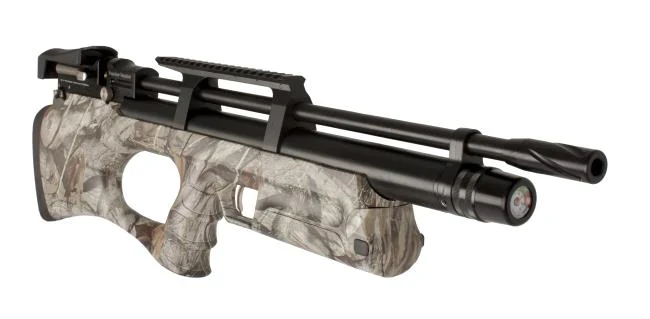
The KRAL BREAKER CAMO has been designed for shooters who want compact handling, dependable PCP performance, distinctive styling, and practical field usability in one versatile air rifle. Through its bullpup-style configuration, a full-length shooting system is packaged into a shorter overall platform. As a result, excellent maneuverability can be enjoyed without unnecessarily compromising barrel length or shooting comfort.
Immediately, attention is drawn to the striking camouflage finish. However, much more than appearance has been incorporated into this rifle. Reliable construction, convenient magazine operation, controlled handling, and useful adjustability are combined to create a PCP air rifle that can be appreciated by recreational shooters, target enthusiasts, and experienced airgun users alike.
Because a compact layout has been selected, the rifle can be carried through confined spaces more conveniently than many conventional full-length PCP rifles. Additionally, balance is kept closer to the shooter, so a stable position can be maintained whether shooting from a bench, supported position, or appropriate field location.
Why Choose the KRAL BREAKER CAMO?
A practical balance between portability, performance, and style has been achieved with the KRAL BREAKER CAMO. Instead of being built around a traditional rifle configuration, a bullpup arrangement has been used. Consequently, unnecessary overall length is reduced while the action and barrel are positioned efficiently within the rifle.
Furthermore, a camouflage-patterned stock gives the rifle its recognizable appearance. For shooters who prefer something different from standard black synthetic or traditional walnut stocks, this finish can be particularly appealing.
Handling has also been prioritized. Since much of the rifle’s mass is positioned closer to the shooter, movement between shooting positions can feel controlled and manageable. Meanwhile, the PCP powerplant provides the smooth shooting characteristics expected from a pre-charged pneumatic platform.
Key Product Highlights
- Compact bullpup-style PCP air rifle configuration
- Distinctive camouflage stock finish
- Multi-shot magazine system for faster follow-up shooting
- Smooth pre-charged pneumatic operation
- Integrated pressure monitoring for convenient air management
- Manual safety system for controlled handling
- Optics mounting provision for compatible rifle scopes
- Comfortable ergonomic grip and stock layout
- Suitable for recreational target and sporting applications where legally permitted
- Compact dimensions for easier transport and storage
- Durable construction designed for regular airgun use
- Multiple calibre configurations may be available depending on market and local regulations
Compact Bullpup Design
One of the greatest advantages offered by the KRAL BREAKER CAMO is its compact architecture. Through a bullpup layout, the action is positioned farther rearward than would normally be seen on a conventional rifle. Therefore, a useful barrel length can be retained while the complete rifle remains comparatively short.
For shooters working around benches, shooting shelters, vehicles, storage cases, or confined spaces, this reduced length can become particularly valuable. Likewise, less front-heavy handling may be experienced because the rifle’s weight is concentrated closer to the body.
When the rifle is shouldered, a secure shooting position can be developed quickly. Moreover, the compact configuration helps the shooter maintain control while changing positions.
PCP Power Delivery
Performance is supplied through a pre-charged pneumatic system. Compressed air is stored inside the rifle’s air reservoir and is released during each shot. Consequently, heavy spring recoil is avoided.
Because this recoil characteristic is minimized, the shooting cycle can feel smoother than that of many traditional spring-powered air rifles. Scope stability may also be improved because the harsh forward-and-rearward recoil associated with spring-piston systems is absent.
Additionally, repeated shots can be taken without breaking the barrel or operating a spring cocking mechanism. Once the reservoir has been filled correctly and a loaded magazine has been inserted, the rifle can be operated efficiently through its normal cocking system.
Multi-Shot Magazine Convenience
A magazine-fed configuration has been incorporated to improve shooting convenience. Instead of individual pellets being loaded manually before every shot, several pellets can be prepared in the magazine beforehand.
Therefore, follow-up shots can be taken more efficiently.
For target sessions, this feature can considerably reduce interruptions. Likewise, recreational shooters may appreciate being able to concentrate more closely on shooting technique rather than constantly stopping for individual pellet loading.
Magazine capacity can differ according to calibre and version. Consequently, the exact specification of the rifle being purchased should always be confirmed before ordering.
Distinctive Camo Stock
While performance remains important, visual character has not been overlooked. A bold camouflage treatment gives the KRAL BREAKER CAMO an unmistakable appearance.
Rather than following the conventional styling seen on many PCP rifles, the camo finish creates a more field-oriented look. Furthermore, the stock has been shaped with practical handling in mind.
A comfortable grip position is provided, while the bullpup format allows the shooter’s supporting hand to remain naturally positioned toward the front portion of the rifle. Consequently, control can be maintained during both supported and unsupported shooting.
Ergonomic Shooting Position
Proper ergonomics can make a considerable difference during extended shooting sessions. For this reason, the rifle has been arranged so that the trigger, grip, cheek area, and shoulder contact points can be accessed naturally.
When a suitable optic has been mounted correctly, a repeatable head position can be established. As consistency is improved, better shooting habits can also be developed.
Of course, individual comfort will depend on the shooter’s body proportions and preferred optic setup. Nevertheless, the compact bullpup arrangement provides a useful foundation for a stable shooting position.
Scope and Optics Compatibility
A suitable sighting system can be installed using the rifle’s optics mounting provision. Consequently, buyers can select a scope according to their preferred shooting application.
For general recreational target shooting, moderate magnification will usually provide a practical combination of field of view and target detail. Higher magnification may be preferred for precision-oriented range use, although excessive magnification is not always required.
Correct scope height should also be considered because bullpup rifles can have a different cheek-to-rail relationship compared with traditionally configured rifles. Accordingly, properly selected mounts can help create a comfortable head position.
Air Pressure Monitoring
Effective PCP shooting depends heavily on proper air management. Therefore, pressure monitoring is an important feature.
By checking the rifle’s pressure indicator before use, the remaining air supply can be assessed. As a result, unexpectedly running out of usable air during a shooting session can be avoided more easily.
The reservoir should always be filled according to the manufacturer’s specified working pressure. Equally important, only suitable PCP filling equipment should be used.
A compatible hand pump, high-pressure compressor, or diving cylinder system may be selected depending on the shooter’s circumstances.
Smooth Shooting Characteristics
Because no large spring needs to move during firing, the rifle’s shooting cycle remains relatively calm. Consequently, less mechanical disturbance is introduced as the pellet leaves the barrel.
This characteristic makes PCP rifles particularly enjoyable for shooters who value consistency and controlled shot placement.
Nevertheless, good results will still depend on appropriate pellets, correct air pressure, a properly mounted optic, and consistent shooting technique. Therefore, testing several quality pellet types may be worthwhile when the rifle is first set up.
Practical Field and Range Handling
Versatility is one of the strongest characteristics associated with the KRAL BREAKER CAMO. At a range, its compact dimensions can make bench handling straightforward. Meanwhile, its shorter overall configuration may be appreciated when moving between shooting positions.
Additionally, transport can be simplified because a shorter case may be sufficient compared with one required for a long conventional rifle.
For shooters who regularly carry equipment alongside air bottles, pellets, targets, range bags, and optics accessories, reduced rifle length can become a noticeable practical advantage.
Built for Recreational and Sporting Use
The rifle can be enjoyed across several lawful airgun activities. Target practice, informal range shooting, pest-control applications where permitted, and general sporting use may all be considered depending on calibre, power level, local legislation, and shooter competence.
Importantly, local airgun laws should always be checked before purchasing or using any PCP rifle. Power restrictions, licensing requirements, hunting regulations, age restrictions, and transportation rules can differ considerably between countries and regions.
Maintenance and Long-Term Ownership
Like any PCP air rifle, reliable performance will be supported by appropriate maintenance.
The exterior should be kept clean and dry after use. Furthermore, the filling system should be protected from contamination, while recommended seals and O-rings should be inspected when necessary.
Only lubricants specifically suitable for high-pressure pneumatic airgun systems should be used where manufacturer instructions permit them. Petroleum-based oils should never be introduced carelessly into high-pressure filling components.
Additionally, magazines should be kept clean so pellets can be indexed smoothly.
With sensible maintenance and proper storage, dependable long-term use can be achieved.
Who Is the KRAL BREAKER CAMO Best Suited For?
This rifle will particularly appeal to shooters who prioritize compact dimensions without wanting to move to an ultra-short platform.
It can also be considered by buyers who want:
- A distinctive camouflaged PCP rifle
- Compact bullpup handling
- Multi-shot convenience
- Smooth recoil characteristics
- A platform suitable for mounting optics
- Convenient PCP air management
- A rifle suitable for regular target or sporting use
- An alternative to traditional full-length air rifles
Experienced shooters may appreciate its practical architecture, while newer PCP users can enjoy the convenience offered by a magazine-fed pneumatic system once correct filling and handling procedures have been learned.
Why the KRAL BREAKER CAMO Stands Out
Many PCP rifles can deliver enjoyable shooting performance. However, not every model combines a compact bullpup arrangement with a distinctive camouflage finish.
With the KRAL BREAKER CAMO, portability has been emphasized without turning the rifle into an unnecessarily complicated platform. Meanwhile, magazine operation allows repeated shots to be managed efficiently.
Furthermore, smooth pneumatic operation encourages controlled shooting. When the rifle is paired with suitable pellets and a properly adjusted optic, a highly enjoyable target setup can be created.
Above all, flexibility is provided. The rifle can be configured around different optics, accessories, pellets, and shooting styles according to the user’s requirements and the specific version being purchased.
KRAL BREAKER CAMO – A Practical Compact PCP Choice
For shooters searching for a compact, visually distinctive and versatile PCP air rifle, the KRAL BREAKER CAMO represents an attractive option.
Its bullpup configuration keeps overall dimensions manageable, while its multi-shot system makes regular shooting convenient. Additionally, the camouflage finish provides character that separates the rifle from conventional black or wooden-stocked PCP models.
Smooth pneumatic operation, manageable handling, convenient pressure monitoring, optics compatibility, and practical construction are brought together in a package intended for enjoyable shooting.
Whether it is being considered for range sessions, recreational target practice, or other lawful sporting applications, the KRAL BREAKER CAMO provides a strong combination of compact design, usability, and PCP performance.
For buyers who value distinctive styling just as much as practical functionality, this rifle deserves serious consideration.
KRAL BREAKER CAMO Calibres, FAC, Power, Recommended Scope and Accessories
The KRAL BREAKER CAMO is offered in several calibre configurations depending on the market, distributor, and local airgun regulations. Because different calibres are suited to different types of lawful recreational shooting, the correct version should be selected according to intended use, ammunition availability, permitted power level, and local licensing requirements.
Available Calibres
Commonly encountered versions include .177, .22, and .25 calibre, although exact availability can differ between regions.
The .177 calibre option is often selected for target shooting and general recreational use. A relatively flat trajectory is normally associated with lighter pellets, while pellet availability is also usually excellent. As a result, this calibre can be a practical choice for shooters who spend most of their time on paper targets, reactive targets, or controlled range practice.
The .22 calibre version is widely regarded as a versatile middle-ground option. A heavier pellet is used compared with .177, while manageable pellet cost and broad ammunition availability are still maintained. Consequently, .22 is frequently selected by shooters who want a general-purpose PCP rifle for lawful sporting and recreational applications.
The .25 calibre version uses a larger and heavier pellet. Depending on the rifle specification and legal power output, a different shooting characteristic will be experienced compared with the smaller calibres. Because pellet weight and air consumption can increase, the number of useful shots available from one fill may vary.
Regardless of calibre, several quality pellet types should normally be tested at the range. Different barrels can show preferences for particular pellet weights, head sizes, or designs, so the best-performing ammunition is usually established through controlled testing.
FAC and Legal Power Categories
The legal classification of the KRAL BREAKER CAMO depends heavily on the country in which it is being purchased and used.
In markets such as the United Kingdom, air rifles exceeding the legal non-FAC limit require the appropriate firearm certificate. Consequently, buyers should confirm whether the rifle is being supplied in a sub-12 ft-lb configuration or as an FAC-rated model before completing an order.
A rifle sold in another country may be supplied at a completely different factory power specification. Therefore, assumptions should not be made based only on calibre or appearance.
The manufacturer’s configuration, distributor specification, and local law should always be checked.
Power should never be altered simply to achieve a higher figure. Any adjustment that changes the rifle’s legal classification may require licensing or may be prohibited entirely depending on jurisdiction.
For this reason, the most suitable approach is to purchase the correct factory-specified version for the intended legal use.
Power and Performance
The KRAL BREAKER CAMO uses a pre-charged pneumatic system, so compressed air is used to propel each pellet.
Because no large spring is moving during the firing cycle, recoil is comparatively mild. As a result, a stable sight picture can be maintained more easily than with many traditional spring-powered air rifles.
Actual muzzle energy depends on several factors, including calibre, pellet weight, factory configuration, fill pressure, and regional specification.
Sub-12 ft-lb versions are commonly selected for markets where unrestricted air-rifle power is legally capped around that level. Higher-powered FAC or export variants may also be offered where legally permitted.
Rather than focusing only on maximum output, consistency should be prioritized. A rifle that delivers stable velocity and good pellet compatibility can provide a more predictable shooting experience than one selected solely because of a higher advertised energy figure.
Recommended Scope for the KRAL BREAKER CAMO
A quality optic can make a significant difference to usability.
For general range and recreational shooting, a 3-12×44 or 4-16×44 scope can provide a practical balance between magnification, field of view, size, and weight.
Lower magnification is useful for quicker target acquisition, while the upper magnification range allows smaller targets to be viewed more clearly at appropriate sporting distances.
For a more compact setup, a 3-9×40 scope can also work well. This configuration keeps weight down and matches the relatively short bullpup design.
When choosing a scope, buyers should consider:
- Clear glass and reliable focus adjustment
- A suitable reticle for target shooting
- Secure and repeatable turret adjustment
- Correct mount height
- Adequate eye relief
- Reasonable overall weight
- Parallax adjustment if required for the intended shooting distances
Because bullpup rifles have a different cheek-to-rail relationship compared with conventional rifles, the correct ring height is particularly important.
Scope Mounts
Good-quality mounts should be selected to match both the rifle’s mounting rail and the scope tube diameter.
Depending on the optic selected, 1-inch or 30 mm rings may be required.
The scope should be positioned so that a natural cheek position can be maintained without stretching forward or pulling the head excessively backward.
Once a comfortable position has been found, mounting screws should be tightened evenly according to the manufacturer’s recommendations.
Recommended Accessories
Several accessories can make ownership of the KRAL BREAKER CAMO more convenient.
PCP Filling Equipment
Because compressed air is required, a compatible filling solution is essential.
A high-pressure hand pump can be suitable for occasional users, while a certified diving cylinder or PCP compressor may be preferred by shooters who use the rifle more frequently.
The correct fill probe or adaptor must always be used.
Spare Magazines
Additional magazines can be useful during longer range sessions. Several magazines can be prepared beforehand, reducing the amount of time spent reloading between groups.
Only magazines designed for the exact calibre and compatible rifle model should be used.
Pellet Selection
Quality domed pellets are commonly used for general PCP target shooting.
Different weights can be tested to determine which pellet provides the most consistent grouping in the specific barrel.
Rifle Case
A padded rifle case is strongly recommended.
The bullpup design allows a relatively compact case to be used, while protection can be provided for the rifle, scope, magazines, and related equipment during lawful transportation and storage.
Cleaning Equipment
A suitable airgun cleaning kit can also be kept available.
Cleaning should be performed conservatively and according to manufacturer guidance. Excessive barrel cleaning is generally unnecessary unless accuracy has noticeably changed or contamination is present.
Shooting Support
A shooting bag or front rest can be useful for controlled zeroing and accuracy testing.
By supporting the rifle consistently, scope alignment and pellet performance can be assessed more reliably.
Choosing the Right KRAL BREAKER CAMO Setup
The ideal configuration should ultimately be based on legal requirements and the shooter’s intended use.
A .177 version may suit target-focused users, while .22 can provide a versatile all-round setup. A .25 version may be preferred where that calibre and its corresponding factory power specification are legally permitted.
When the rifle is paired with a properly mounted scope, suitable pellets, safe filling equipment, spare magazines, and protective storage, a complete and practical PCP setup can be created.
Most importantly, the rifle should always be kept within its approved factory specification and the legal power limits that apply in the country where it is owned and used.
Frequently Asked Questions
What type of air rifle is this?
It is designed as a pre-charged pneumatic air rifle, commonly referred to as a PCP. Compressed air is stored inside an onboard cylinder and is released in a controlled amount when the rifle is fired. Because a heavy spring is not used during the firing cycle, recoil is kept relatively low and a smoother shooting experience can be enjoyed. This operating system is especially appreciated by shooters who value consistent handling, efficient multi-shot use, and straightforward scope mounting.
Is this rifle suitable for beginners?
Yes, it can be suitable for shooters who are new to PCP air rifles, provided that proper handling, filling, storage, and legal requirements are understood first. The compact layout can make the rifle comfortable to handle, while the magazine system reduces the need to load each pellet individually. However, new owners should become familiar with safe air filling procedures, pressure limits, magazine loading, scope setup, and applicable local laws before regular use.
What calibres are commonly available?
Versions are commonly found in .177, .22, and .25 calibre, although availability can vary according to distributor and country. The smaller calibre is often selected for target shooting, while the middle calibre is frequently chosen as an all-round option. The larger calibre may be preferred by shooters who want to use heavier pellets where local regulations permit the corresponding power level. Exact specifications should always be confirmed before purchase.
Which calibre is best for target shooting?
For general target shooting, .177 is often considered a strong option because lighter pellets can provide a relatively flat trajectory. It is also widely available and commonly supported by a large range of pellet types. That said, .22 can also perform very well on targets, especially when the rifle is paired with suitable ammunition and a properly zeroed optic. The best choice will depend on shooting distance, pellet preference, legal limits, and personal handling preference.
Is .22 a good all-round calibre?
Yes. The .22 version is often considered one of the most versatile configurations. Pellet weight is increased compared with .177, yet the calibre remains widely available and practical for recreational use. Many shooters appreciate the balance between pellet size, air consumption, handling, and general-purpose performance. For buyers who are unsure which calibre to select, .22 is often considered a useful middle ground.
Does the .25 version use more air?
In many cases, yes. Larger-calibre configurations can consume more compressed air depending on the rifle’s factory power setting and pellet weight. As a result, the number of usable shots available from one fill may be lower than with smaller-calibre versions. Exact shot count varies according to pressure level, tuning, temperature, calibre, and individual rifle specification.
Is this air rifle magazine-fed?
Yes, a multi-shot magazine system is used. Several pellets can be loaded into the magazine before shooting begins, which makes follow-up shooting much more convenient. This feature can be particularly useful during range sessions because constant single-pellet loading is avoided. Magazine capacity may differ according to calibre, so the correct magazine specification should be checked when ordering spares.
Can it also be loaded one pellet at a time?
This depends on the exact configuration and whether a compatible single-shot tray is available. Some shooters prefer single-shot loading for careful target work because each pellet can be handled individually. Others prefer the convenience of the magazine system. If single-shot use is important, compatibility should be confirmed with the retailer or manufacturer before purchasing an accessory tray.
What type of scope works well with this rifle?
A 3-9×40, 3-12×44, or 4-16×44 scope can provide a practical setup for many recreational users. Lower magnification is useful for quicker target acquisition, while additional magnification can help when smaller targets are being viewed. Because the rifle uses a compact layout, scope size and mount height should be considered carefully so that comfortable eye relief and cheek positioning can be maintained.
Are high mounts necessary?
Not always, but bullpup-style rifles can require a slightly different scope position compared with conventional rifles. The correct mount height depends on the optic, the rail position, the shooter’s facial structure, and preferred head position. A mount that is too low may make the scope uncomfortable to use, while one that is excessively high may reduce consistency. A natural and repeatable cheek position should be prioritized.
Can a red-dot sight be fitted?
A compatible red-dot sight may be installed if the mounting system allows it. Red dots can be useful for close-range recreational shooting because they provide a simple sight picture and fast target acquisition. However, they do not offer the magnification of a traditional scope. The best optic therefore depends on intended use and typical shooting distance.
How is the air cylinder filled?
The onboard reservoir can generally be filled through a compatible filling probe or adaptor connected to a suitable high-pressure air source. A PCP hand pump, certified diving cylinder, or appropriate compressor may be used. The manufacturer’s recommended fill pressure must always be followed. Filling beyond the specified limit should never be attempted.
Is a hand pump suitable?
Yes, a quality high-pressure hand pump can be suitable, especially for shooters who do not use the rifle excessively. It provides independence from larger filling equipment and can be convenient for occasional use. However, manual pumping requires physical effort. Frequent shooters may prefer a certified air cylinder or dedicated PCP compressor for greater convenience.
Can a standard workshop compressor be used?
A normal low-pressure workshop compressor should not be used unless it has been specifically designed and rated for PCP filling pressures. Air rifles typically require much higher pressure than ordinary pneumatic tools. Only properly rated equipment should be used to avoid equipment damage and serious safety risks.
How many shots can be obtained from one fill?
Shot count depends on calibre, reservoir capacity, factory power setting, pellet weight, and the usable pressure range of the rifle. Lower-powered versions can often provide more shots per fill than higher-output configurations. The exact figure should therefore be confirmed from the specification of the particular version being purchased rather than assumed from another model or calibre.
Is the rifle regulated?
Specifications can vary between production versions and markets, so the exact model should be checked before purchase. A regulator, where fitted, helps manage air pressure delivered to the firing valve and can improve shot-to-shot consistency. Even without one, a properly designed PCP can still provide good practical performance within its effective pressure range.
Does it produce much recoil?
Recoil is relatively low because the rifle operates using compressed air rather than a large spring and piston assembly. This smoother firing cycle can make it easier to maintain the sight picture and can reduce disturbance during the shot. Even so, stable shooting technique and consistent trigger control remain important for achieving good accuracy.
Is it loud?
Sound level depends on calibre, power level, pellet choice, barrel design, and whether an approved sound moderator is fitted where legal. PCP rifles can produce a noticeable muzzle report, particularly at higher output levels. Local rules regarding moderators should always be checked before one is purchased or installed.
Can a moderator be attached?
Some versions may support a compatible moderator or other muzzle accessory, but thread size and legal requirements must be verified first. A component should never be forced onto an incompatible thread. In some countries, moderators are regulated separately, so local legislation should be reviewed before purchase.
What type of pellets should be used?
High-quality lead airgun pellets that match the correct calibre should normally be selected. Domed pellets are commonly used because they often provide reliable feeding and consistent accuracy. Different pellet weights and head sizes can perform differently from one barrel to another, so testing several reputable options is usually worthwhile.
Are heavy pellets always more accurate?
No. Heavier ammunition is not automatically more accurate. Accuracy depends on how well a particular pellet matches the barrel, velocity range, and power setting. A lighter pellet may group better in one rifle, while a medium or heavier pellet may perform more consistently in another. Controlled range testing is the best way to identify the preferred option.
Does the barrel need frequent cleaning?
Usually not. Air rifle barrels often require less frequent cleaning than many firearm barrels because no powder residue is produced. Cleaning may be considered when accuracy noticeably deteriorates or when contamination is suspected. The manufacturer’s guidance should always be followed, and aggressive cleaning should be avoided.
What maintenance is required?
Routine care generally includes keeping the exterior dry, protecting the filling port from dirt, checking seals where appropriate, keeping magazines clean, and storing the rifle securely. Only products suitable for high-pressure pneumatic systems should be used. Incorrect lubricants can damage seals and may create serious hazards under pressure.
Should the air cylinder be stored completely empty?
PCP rifles are often stored with some pressure remaining in the system, as this can help keep internal seals properly seated. However, the correct storage procedure should be taken from the manufacturer’s instructions. The rifle should never be stored above its approved working pressure, and extreme heat should be avoided.
Can it be left fully charged for long periods?
Moderate storage pressure is generally preferable to unnecessarily keeping the system at maximum fill pressure for extended periods. Exact recommendations vary by manufacturer. If the rifle will not be used for a long time, the official storage guidance should be followed to help preserve seals and reservoir components.
Is the compact design comfortable for tall shooters?
It can be comfortable for many shooters, but fit is subjective. A bullpup design keeps the action closer to the shoulder and reduces overall length. Taller users may need to pay particular attention to scope position, eye relief, and cheek placement. A suitable optic and correctly positioned mounts can make a substantial difference.benjamin air bow
Brocock BRK and Benjamin Air Rifles: Complete Guide to PCP Technology, Precision, Calibres and Accessories
Discover the Engineering Behind Brocock Airguns and Benjamin Air Rifles
Modern airgun technology has transformed recreational target shooting, competitive marksmanship, and precision air-powered sporting equipment. Today, manufacturers combine advanced pneumatic systems, ergonomic construction, and innovative engineering to produce dependable shooting platforms. Among the established names in this industry, brocock ltd and Benjamin continue to attract attention from enthusiasts seeking technical sophistication and reliable performance.
The evolution of brocock airguns reflects a strong emphasis on compact designs, efficient compressed-air systems, and consistent shot delivery. Similarly, the Benjamin product range offers numerous configurations, from traditional pellet rifles to specialized pneumatic platforms.
Whether researching a compressed air rifle, comparing a conventional pellet gun, or exploring advanced sporting equipment, understanding the available technologies helps buyers make informed decisions.
Brocock BRK Air Rifles: Innovation and Precision Engineering
Brocock Sniper XR and BRK Sniper XR
The brocock sniper xr represents an important development in regulated pneumatic rifle engineering. Featuring a semi-bullpup configuration, adjustable ergonomics, and a sidelever operating system, this model emphasizes handling convenience and mechanical consistency.
Additionally, the brk sniper xr incorporates a regulated air-delivery system designed to reduce variations between successive shots. Its adjustable stock components provide flexibility for different shooting positions.
For enthusiasts researching the .25 caliber brocock sniper xr, calibre selection deserves particular attention. The larger pellet diameter offers different projectile characteristics compared with smaller calibres, while energy output and shot capacity depend on the specific configuration.
The sniper xr also offers an example of how modern engineering combines compact dimensions with adjustable controls.
Brocock Commander XR and BRK Commander
Another noteworthy platform is the brocock commander xr, which combines a tactical-inspired stock configuration with pneumatic engineering.
The brocock commander has attracted interest from enthusiasts who appreciate adjustable furniture, modular features, and consistent operation.
Similarly, buyers researching brk ghost and Commander models often compare ergonomics, overall dimensions, available calibres, and compatible accessories.
Searches for brocock commander xr price should be evaluated using current retailer listings because pricing varies according to country, configuration, condition, and included equipment.
BRK Ghost Air Rifle: Modern Design and Customization
The brk ghost air rifle represents a distinctive approach to modern PCP rifle design. Its bullpup layout places major operating components within a compact overall configuration while retaining a full-length barrel arrangement appropriate to the model.
Furthermore, the BRK Ghost offers adjustable ergonomic components and a mechanical design intended to support controlled operation.
Owners researching ghost accessories should pay attention to manufacturer compatibility, factory specifications, and approved replacement components.
A replacement ghost handle, for example, should be checked against the exact model and production variant before purchase.
Likewise, a magpul sl k buttpad is a product-specific accessory reference rather than a guarantee of compatibility with every rifle stock.
Pathfinder XR and Compact BRK Models
The pathfinder xr offers another example of the manufacturer’s emphasis on compact pneumatic platforms.
Buyers researching the brk pathfinder, brk pathfinder xr, or general pathfinder air rifle specifications should compare verified product dimensions, stock arrangements, and applicable power ratings.
The brk concept xr is another model worth examining when comparing compact sporting rifles.
While these designs share elements of the manufacturer’s engineering philosophy, each has its own configuration and intended handling characteristics.
For anyone comparing several platforms, factors such as overall weight, trigger characteristics, stock adjustment, and service support are more useful than appearance alone.
What Are PCP Air Rifles and How Do They Work?
New enthusiasts frequently ask, what are pcp air rifles?
The abbreviation PCP means precharged pneumatic, referring to an air-powered system that stores compressed air in a pressurized cylinder or reservoir.
Consequently, understanding pcp rifle meaning helps explain the operating principles behind modern pneumatic sporting rifles.
Other common searches include what does pcp mean in air rifles, what is pcp air rifle, what is a pcp air rifle, and what is a pre charged pneumatic air rifle.
All describe the same general operating technology.
Likewise, what is a pcp air gun and pcp air rifle meaning refer to compressed-air propulsion rather than spring-powered or carbon-dioxide systems.
A pcp rifle stores energy before firing, whereas a break barrel pellet gun typically compresses a spring or gas ram through a cocking action.
This distinction also explains why a pneumatic gun, gun pneumatic, and pneumatic weapons may refer to several different mechanisms, depending on the context.
Modern pcp air rifles often feature pressure regulators, adjustable triggers, and specialized magazines. Nevertheless, operating pressure, energy output, and maintenance requirements vary substantially between models.
Essential Accessories and Equipment Compatibility
Properly selected accessories contribute to equipment suitability and long-term maintenance.
For example, the 0db moderator and 0 db moderator are search variations referring to a sound-moderating accessory. Actual sound reduction depends on the individual device, rifle configuration, and applicable legal requirements.
Meanwhile, a pcp o ring kit may contain replacement seals for specified components. Seal dimensions, materials, and pressure ratings must match the manufacturer’s requirements.
Optics are another consideration. A buyer researching how to connect scope equipment should first confirm the mounting-rail standard and the compatibility of the selected mounting system.
The mtc copperhead 4 16×44 is one example of an optical sight that may appear in airgun accessory searches.
Separately, what does prc stand for in guns is a terminology question commonly encountered during broader firearm research. PRC often refers to Precision Rifle Cartridge, which is distinct from PCP pneumatic technology.
Some searches also include bro air, a broad term that may appear alongside BRK and Brocock product research without identifying a specific manufacturer model.
Benjamin Air Rifles: Traditional Performance and Modern Pneumatic Technology
Benjamin Marauder and Popular PCP Models
The benjamin air rifle range encompasses numerous designs developed for different shooting preferences. From conventional air pellet gun platforms to specialized pneumatic systems, the manufacturer offers equipment for recreational and sporting applications.
Among its recognized products, the benjamin marauder has established a strong presence in PCP airgun discussions.
The benjamin marauder pcp and benjamin marauder pcp air rifle are associated with regulated or unregulated configurations, depending on model and generation. Similarly, the benjamin marauder air rifle is frequently considered by enthusiasts researching accurate pneumatic equipment.
Buyers comparing the benjamin marauder .25, benjamin marauder 22, and benjamin marauder regulated variants should verify the exact specifications rather than assume identical performance.
The benjamin marauder pistol provides another distinct option for enthusiasts interested in compact air-powered platforms.
Additionally, searches for benjamin pellet, benjamin pellet gun, and benjamin air pistol reflect the manufacturer’s broader presence in the sporting airgun market.
For owners of older equipment, benjamin air rifle repair should involve model identification, manufacturer-approved parts, and qualified servicing of pressurized components.
Benjamin Bulldog and Big-Bore Airguns
The benjamin bulldog is associated with the development of larger-calibre PCP platforms.
In particular, the benjamin bulldog 457 belongs to the big-bore category, while the bulldog 357 represents another calibre designation within the family.
Those researching benjamin bulldog 457 20 joules should distinguish search terminology from verified factory specifications, since this phrase does not establish an official 20-joule configuration.
More broadly, big bore air guns differ from conventional small-calibre pellet rifles in projectile dimensions, pressure-system requirements, and applicable regulations.
A hunting air rifle or hunting pellet gun must also be evaluated according to local laws, permitted activities, and the manufacturer’s intended application.
Benjamin Trail, Prowler and Break-Barrel Models
Traditional spring and gas-piston airguns remain popular alongside pneumatic equipment.
The benjamin prowler and benjamin trail np are examples associated with conventional sporting air-rifle designs.
Likewise, the benjamin np trail xl and benjamin air rifle 22 break barrel appear frequently in searches involving gas-piston technology.
The phrase benjamin break may also describe general interest in the manufacturer’s break-barrel products.
Enthusiasts comparing a benjamin 22 caliber pellet rifle with PCP alternatives should consider the differences in cocking mechanism, maintenance, recoil behavior, and operating requirements.
Benjamin Airbow Technology and Arrow-Launching Systems
The benjamin airbow belongs to a specialized category that uses compressed air to propel compatible arrows rather than conventional pellets.
Also called an air bow, airbow, arrow gun, air bow rifle, or air bow gun, this equipment differs substantially from standard pellet platforms.
The benjamin pioneer airbow helped establish the manufacturer’s presence in this category.
More recent searches for benjamin airbow m600, benjamin m600 airbow, and the general benjamin bow category reflect interest in advanced arrow-launching technology.
An airbow rifle may also be compared with an air powered crossbow, although their propulsion mechanisms and equipment requirements are different.
The M600 is a distinct PCP-powered arrow launcher with manufacturer-specific arrows and components.
Understanding Pellet Gun Calibres and Power Ratings
Airgun buyers frequently compare .177 pellet guns, 177 pellet guns, a 22 pellet gun, and a .25 pcp air rifle.
Each calibre has its own projectile characteristics, compatible ammunition, and model-specific performance limits.
Similarly, searches for a high powered pellet gun, high power pellet gun, or pellet rifle 1500 fps should be assessed carefully. Advertised velocity alone does not establish accuracy, suitability, or energy output.
A bolt action pellet gun describes a particular loading or cycling arrangement rather than a specific power system.
Other familiar categories include the bb gun rifle, air gun rifle, airrifle, and the broader grouping of air rifle and air pistol equipment.
In comparison, co2 pellet guns use carbon dioxide cartridges, while PCP platforms rely on stored high-pressure air.
The search term m357 may refer to different products and requires model confirmation before any technical comparison.
Choosing the Right Airgun and Understanding Online Availability
Buyers asking can i buy air rifles online should first investigate local restrictions, age requirements, licensing obligations, and shipping regulations.
Rules vary significantly by jurisdiction, especially for higher-powered equipment and specialized arrow-launching platforms.
Whether comparing benjamin air rifles or modern BRK sporting platforms, reliable model specifications, lawful ownership, and qualified maintenance remain essential considerations.
The Brocock product family includes established Sniper XR, Commander XR, Pathfinder XR, Concept XR, and Ghost designs, while the manufacturer’s newer range includes updated XR2 variants.
Ultimately, selecting appropriate air-powered sporting equipment involves balancing ergonomics, engineering quality, compatible accessories, and long-term support. Understanding the distinctions between compressed-air systems, gas-piston mechanisms, and specialized arrow platforms makes product comparisons clearer and more informative.
A well-informed buying decision begins with accurate technical information, clearly identified models, and responsible equipment ownership.

Reviews
There are no reviews yet.